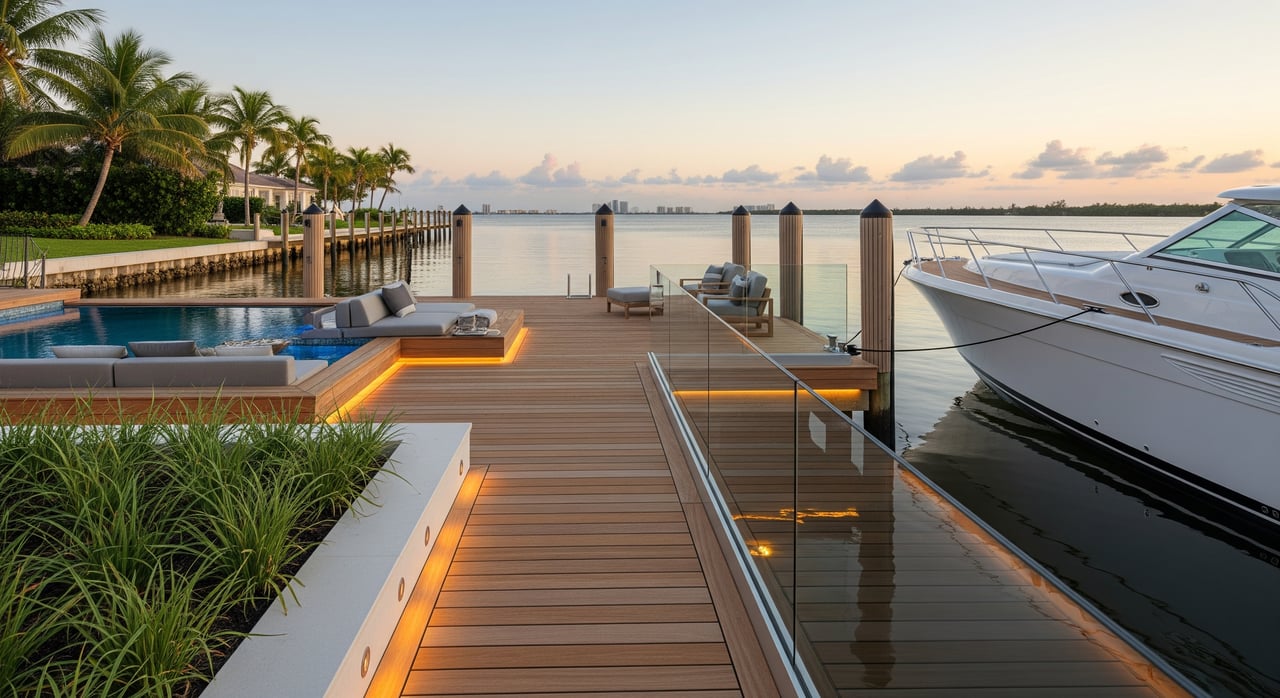
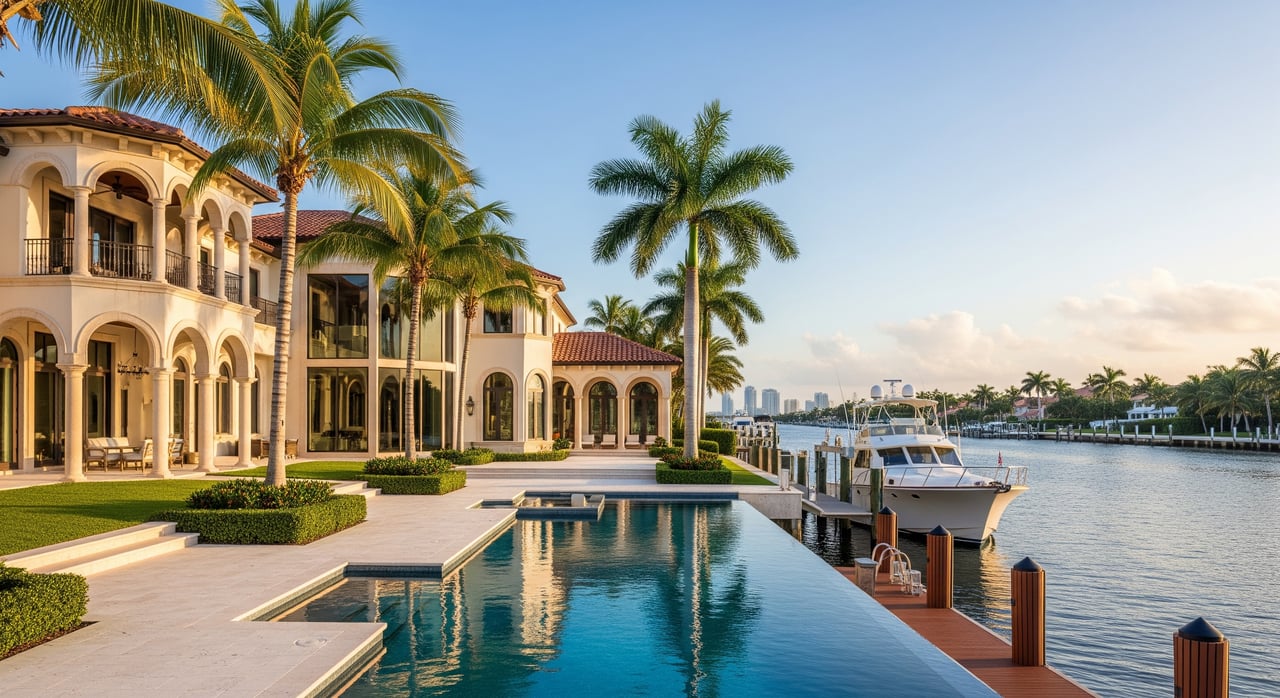
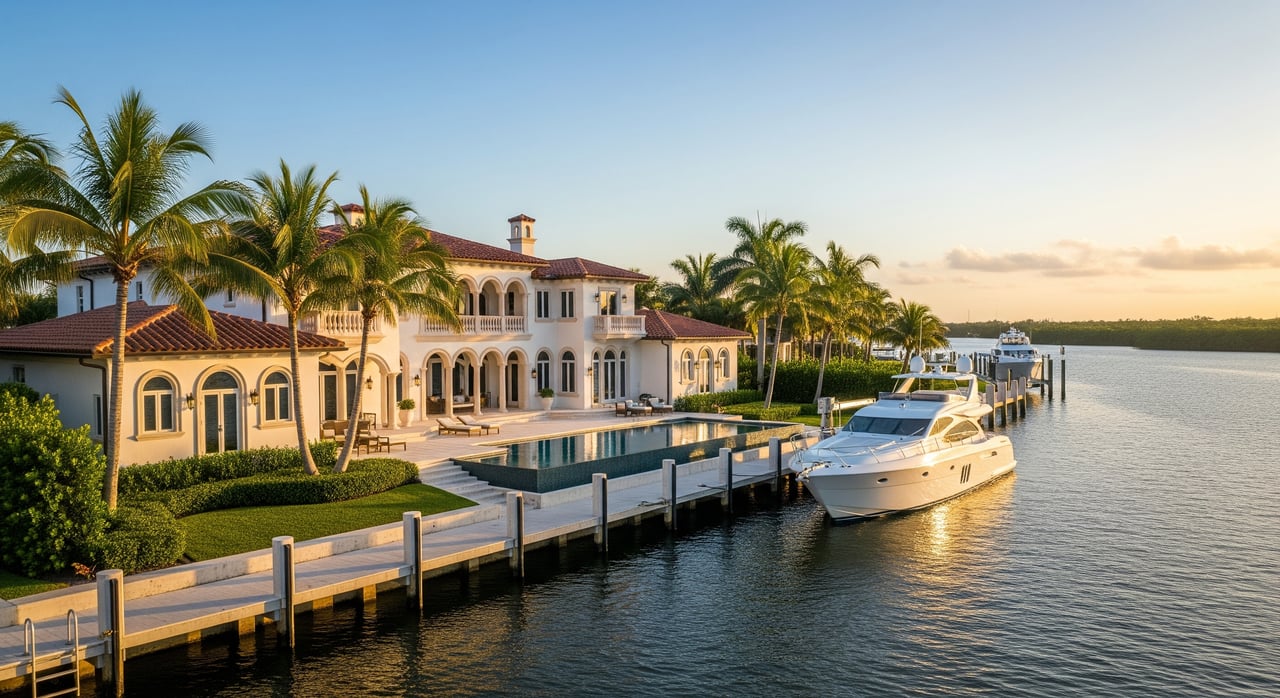
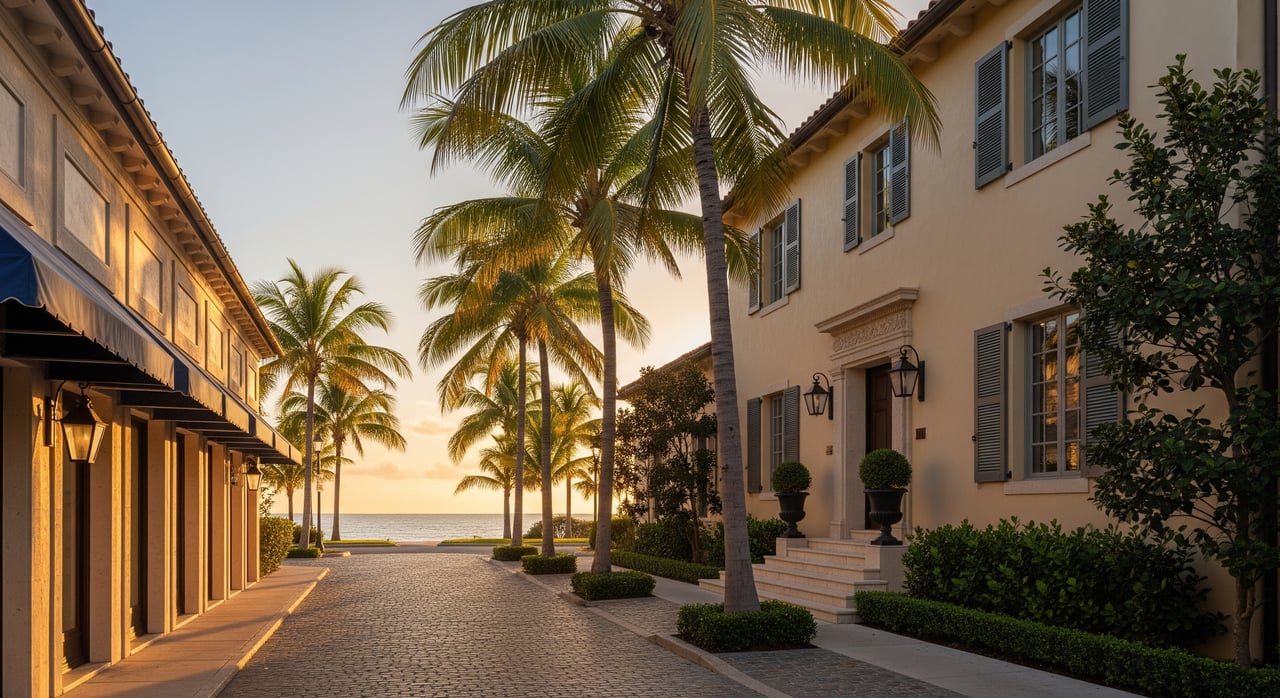
Looking at Port Royal and wondering how to move with confidence in a market where every lot feels one of a kind? You are not alone. In this neighborhood, subtle details like dock depth, seawalls, and lot exposure can swing value more than a typical comp set. This guide gives you a clear roadmap to evaluate the right property, structure a strong offer, and complete due diligence without surprises. Let’s dive in.
Why buying in Port Royal is different
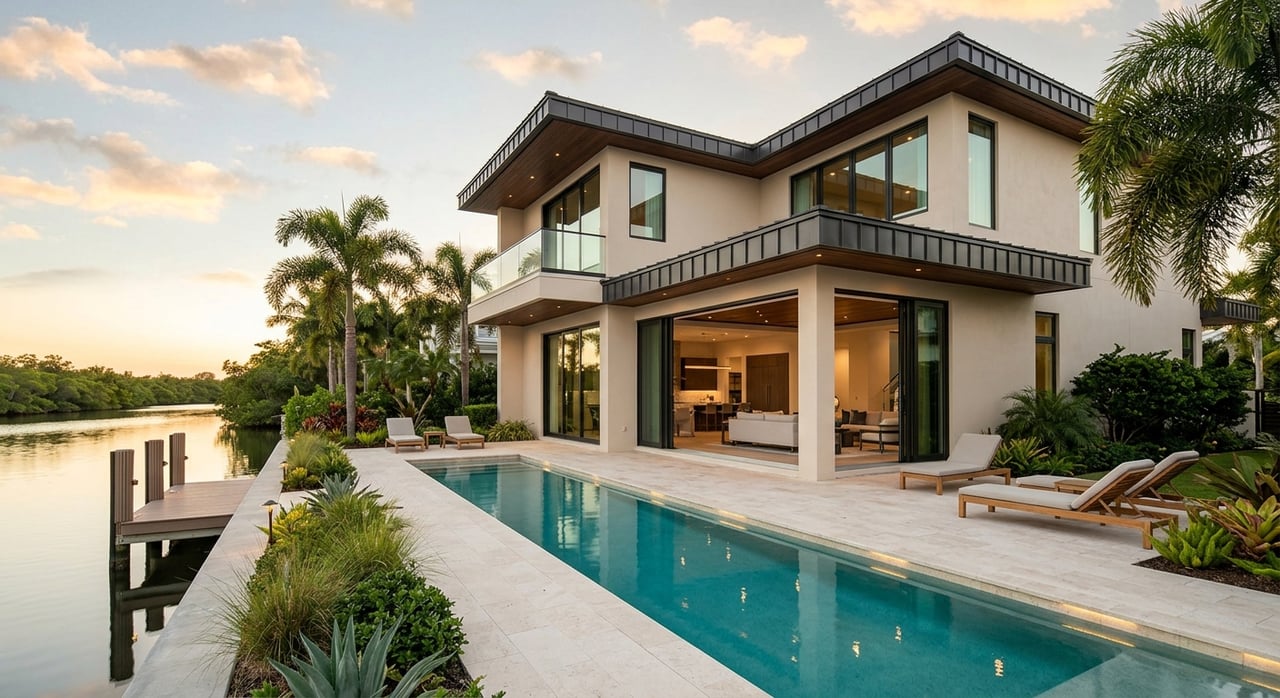
Port Royal is a thin-supply, estate-level waterfront market where individual property traits drive price and desirability. Comparable sales can be sparse, and many transactions happen privately. Expect sellers to prioritize privacy, proof of funds, and certainty. A precise brief and a disciplined process help you win the right asset without overpaying for the wrong one.
Set your brief and assemble your team
Clarify your end goal before you write an offer. Define your boating needs, preferred view corridors, appetite for renovation or rebuild, and timing. Decide if you want immediate enjoyment or a phased plan that includes marine work or construction.
Build a specialized team early. At minimum, engage a local luxury buyer’s broker with waterfront expertise, Florida real estate counsel, a title company familiar with Collier County waterfront, an ALTA/elevation surveyor, a marine surveyor or coastal engineer, a structural engineer, and an insurance broker experienced with coastal risk. If you plan to rebuild, add a high-end local builder and architect for feasibility and cost ranges.
Evaluate lot orientation and water access
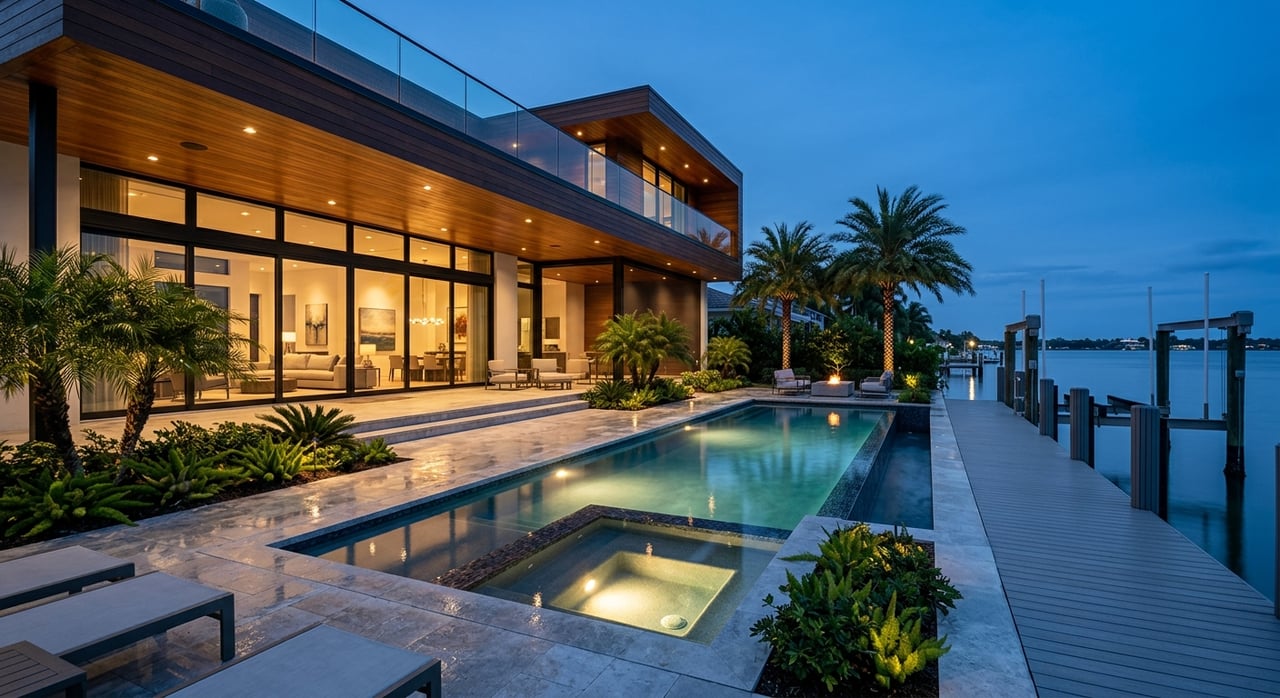
Port Royal value starts with the water. Your use, insurance, and resale all flow from lot type and orientation.
Gulf-front
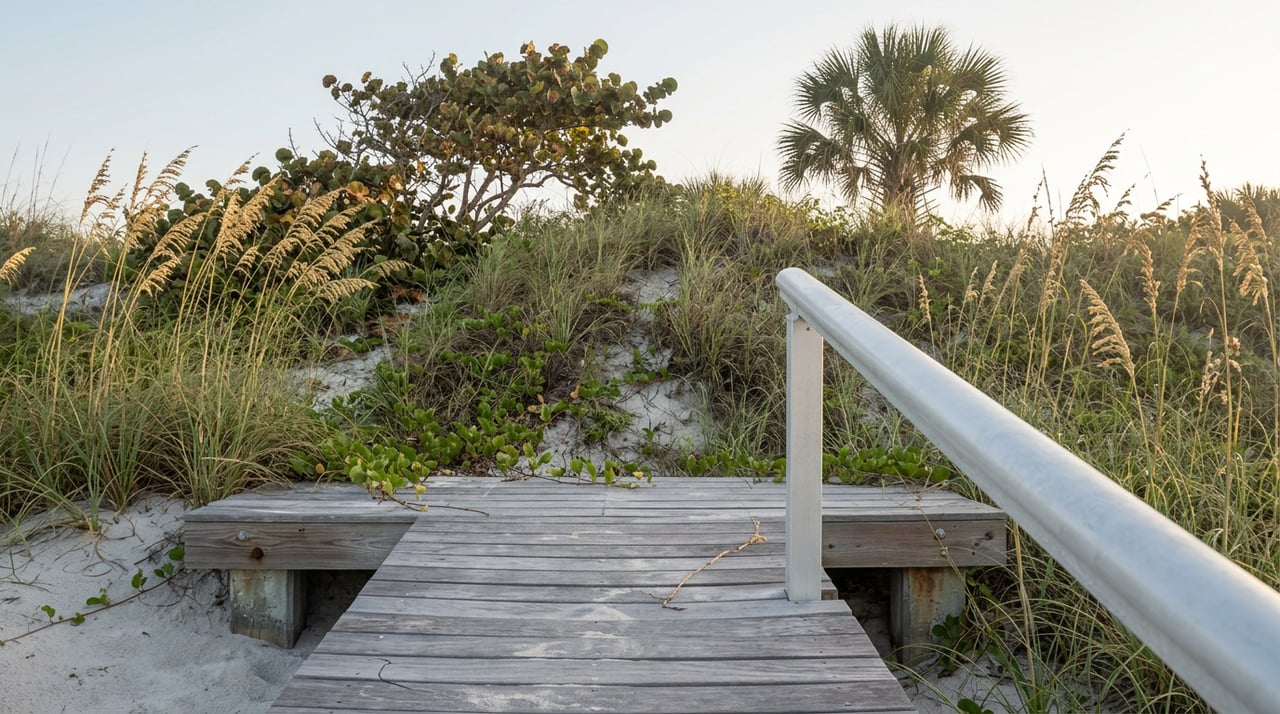
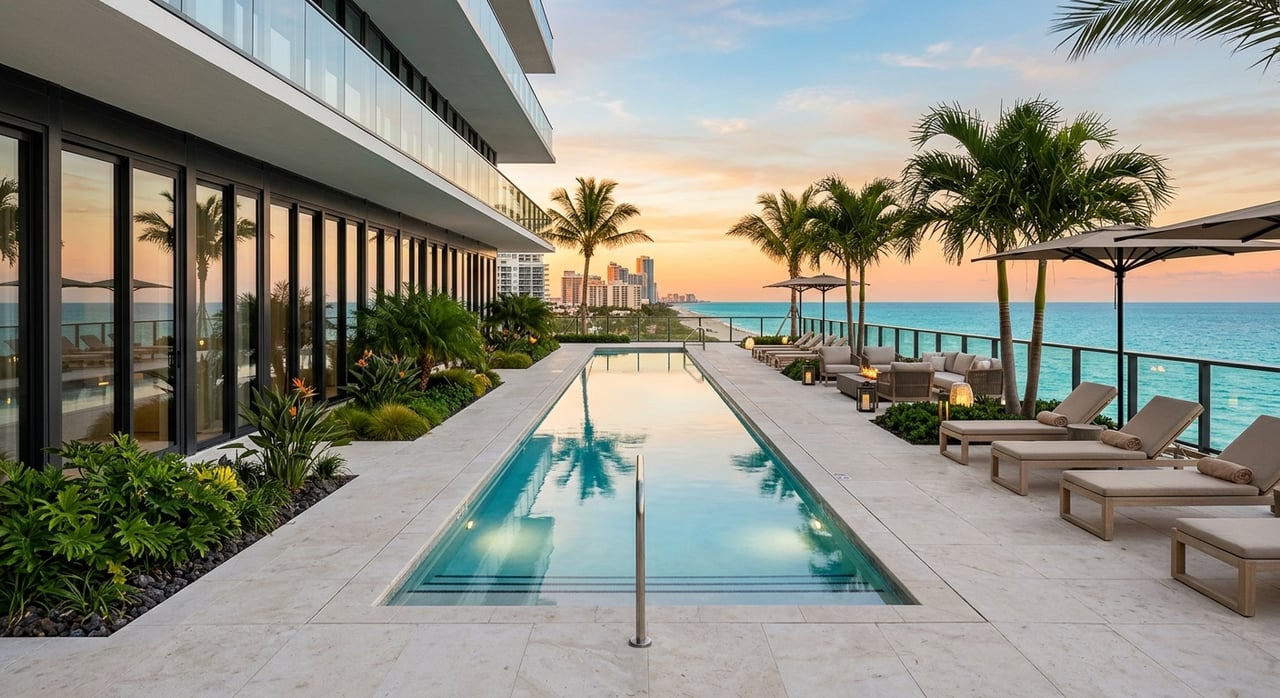
You get open-sky views and direct beachfront access. Weigh higher exposure to erosion and storm surge, and understand coastal construction and dune management requirements that can affect future work.
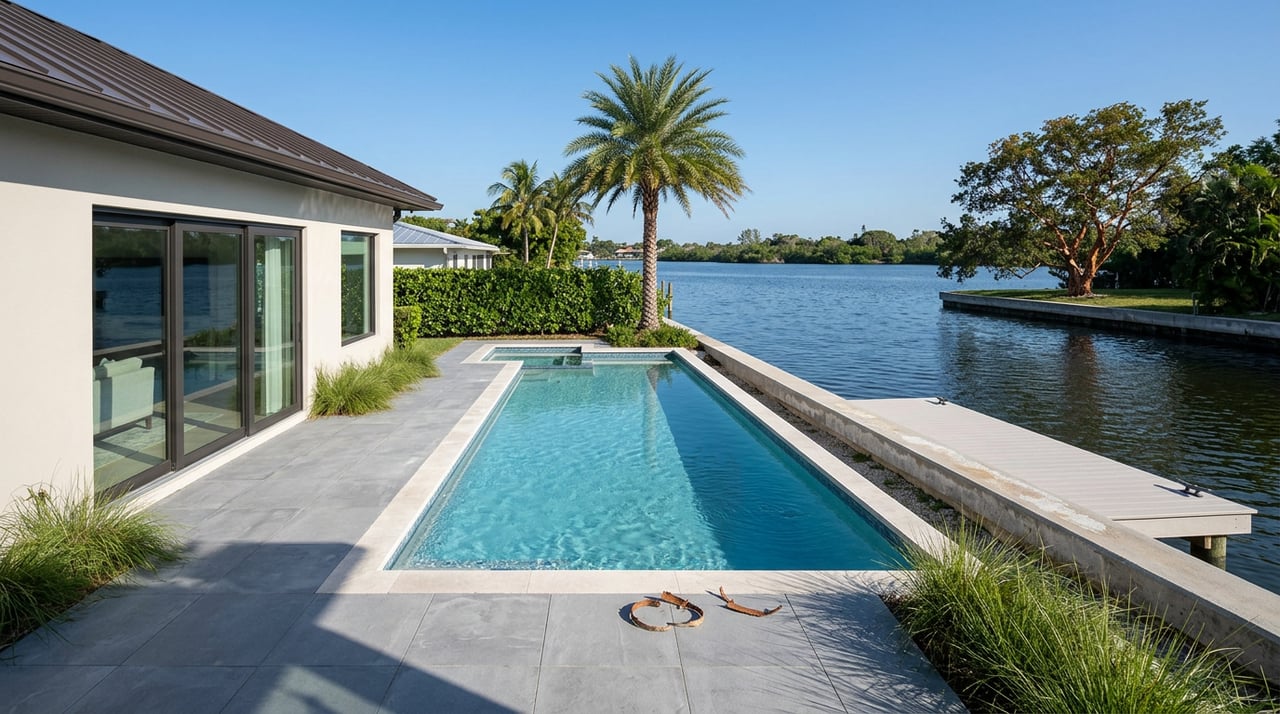
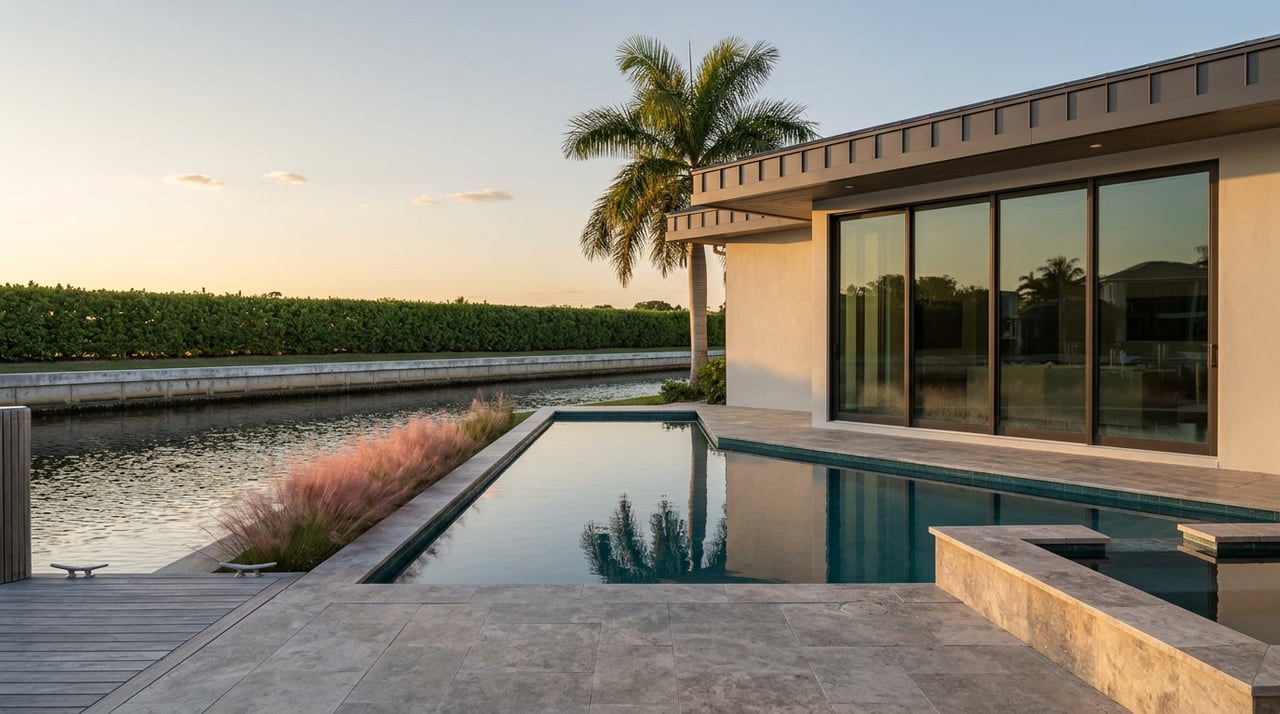
Direct Gulf access with private dock
For large-vessel owners, this is often the gold standard. Confirm navigability, water depth at low tide for your vessel’s draft, and the condition and permitting status of piers and boathouses. Deep-water, open-water exposure typically commands a premium.
Bayfront and protected waters
Calmer conditions can benefit docks and maintenance. Some areas include shallow tidal flats or seagrass that may limit draft and future dock modifications. Confirm actual depths with a marine surveyor.
Interior canals and basins
Check for bridge clearances, basin rules, and any shared maintenance obligations. Finger lots can maximize private frontage while lateral lots may emphasize wider view corridors.
Critical waterlot checks
- Water depth and tide range. Verify actual depths against your vessel’s draft.
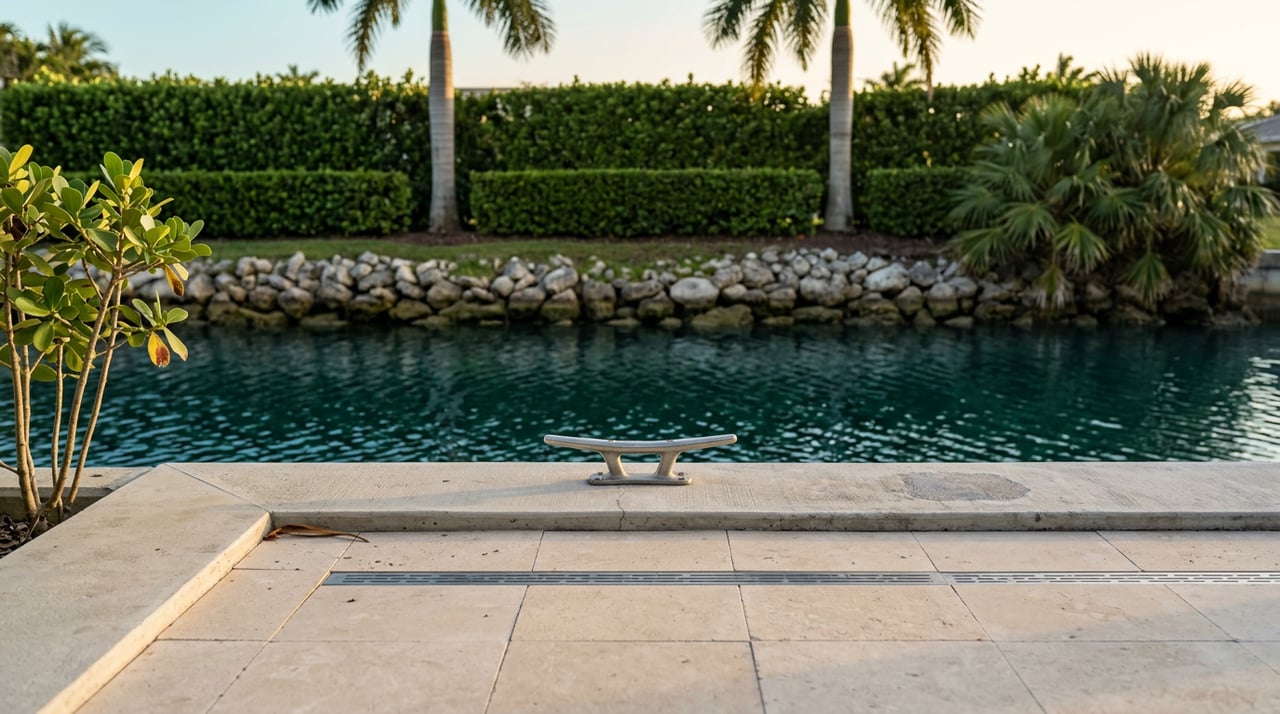
- Seawall age and condition. Seawalls can be a major near-term expense and may require permits for significant work.
- Dock and boathouse permits. Confirm recorded permits and whether sovereign submerged lands leases or multiple agency approvals are required for future changes.
- Submerged land interests. Determine if the state holds any interests that affect improvements.
- Setbacks and coastal construction limits. Understand elevation requirements and how local and state rules shape footprint and design.
Value and insurance impacts
Flood zone designation and Base Flood Elevation influence construction requirements and insurance costs. Many Port Royal properties require elevated foundations and flood coverage. Assess availability and pricing for private wind and flood insurance early so your offer reflects total cost of ownership.
Rebuild or keep: a clear decision framework
Older estates in Port Royal often raise the renovate-versus-rebuild question. Use a factual, survey-first approach.
Core criteria
- Structural condition, pilings, and foundation integrity.
- Code triggers and elevation needs under the current Florida Building Code and local flood rules.
- Seawall and dock timelines, especially if replacement aligns with reconstruction.
- Lot utility, setbacks, and coastal constraints that affect your target footprint.
- Any deed or local restrictions that influence scale or design.
Major cost drivers
- Elevation and piling systems suited to coastal conditions.
- Seawall replacement and marine work, including permitting and potential mitigation.
- Dock construction, including pile-driving and agency approvals.
- Site utilities, drainage, and access for large equipment.
- Soft costs like architectural, coastal engineering, and impact fees.
- Luxury build variability. Use local builders for current per-square-foot ranges and allowances for hurricane hardening and marine components.
Practical process
- Order structural, marine, and geotechnical surveys early.
- Review title, easements, and any submerged-land or similar interests.
- Get a preliminary site plan or feasibility review from a coastal architect and builder.
- Model total project cost including soft costs and contingency, and compare to new construction on like-for-like lots.
- Weigh intangibles like mature landscaping, view quality, and privacy against time and budget.
Craft a winning offer
In Port Royal, strong terms signal certainty and respect for privacy.
Core offer components
- Proof of funds or clear financing evidence. All-cash is common and can shorten timelines.
- Larger deposits with stages tied to milestones, such as contract effective date and diligence completion.
- Due diligence periods typically span 30 to 90 days, depending on inspections and permitting reviews. Complex coastal assets often require more time.
- Inspection contingencies that include structural, pest, mold, environmental if indicated, marine, survey, and title.
- Appraisal strategies. Many buyers paying cash waive appraisals or predefine how to handle shortfalls.
- Closing windows in the 30 to 90 day range, with room for title curative work or easement issues.
Advanced tools for complex assets
- Escrow holdbacks for defined repairs like seawalls or docks, with scope and timeline.
- Seller leasebacks with clear insurance and maintenance terms.
- Assignment and confidentiality provisions where appropriate. Ensure compliance with applicable rules.
- Contingencies tied to permits or variances if you plan immediate reconstruction.
- Careful review of title exceptions, especially items affecting water access or riparian-like interests.
Legal, insurance, and ethics
Follow fair housing and MLS rules, especially around private offerings. Secure a full ALTA survey and coordinate with title insurance for coverage focused on waterfront issues and access. Engage Florida counsel and experienced title agents for drafting and closing.
Due diligence timeline and checklist
The right timeline reduces surprises and protects your leverage.
Sample timeline
- Days 0–7: Execute contract, fund initial deposit, and request seller documents, recent surveys, and permit history.
- Days 7–21: Engage surveyor, structural engineer, marine surveyor or coastal engineer, and builder for estimates. Order title commitment.
- Days 14–30: Complete core inspections and review title exceptions and easements.
- Days 21–45: Scrub permit history with the county and consult relevant agencies if marine work is indicated.
- Days 30–60: Confirm flood and wind insurance availability and quotes. Negotiate escrows or credits if needed.
- Days 45–90+: Resolve title items, finalize documents, and coordinate any transfer of submerged land leases or permit assignments.
For marine-intensive properties or projects requiring multiple approvals, permitting can run several months beyond closing. If you plan to rebuild, conduct feasibility before final offer or use explicit contract contingencies.
High-priority checklist
- Boundary and elevation surveys.
- Title report and legal description, including rights, easements, and encroachments.
- Seawall and dock condition with permit history and water depth survey.
- Structural, pest, and mechanical inspections.
- Full permit history and any open violations.
- Flood zone, Base Flood Elevation, and insurance quotes from both NFIP and private markets.
- Environmental considerations such as wetlands, seagrass, or contamination risk.
- Utility status, drainage, and landscape protections.
- Any deed or community restrictions that govern use or construction.
Sourcing quiet opportunities
Many Port Royal sales happen quietly. Senior brokers often combine relationships and research to surface options that never reach broad marketing.
Common discreet methods
- Relationship-driven outreach through wealth managers, family offices, estate attorneys, and trustees.
- Builder and trade networks, including marine contractors and property managers who hear of early seller interest.
- Targeted owner outreach and neighbor introductions handled confidentially.
- Private or pocket listings within select broker networks, subject to applicable rules.
- Monitoring public probate filings and engaging estate counsel where appropriate.
- Data-driven lists of long-term or absentee owners to gauge quiet interest.
- NDAs for early discussions to protect privacy for both sides.
Best practices
Comply with MLS policies, brokerage rules, and all fair housing laws. Use written confidentiality agreements when appropriate, and ensure required disclosures are delivered as the transaction progresses. Keep clear documentation to avoid agency conflicts.
Bringing it all together
Buying in Port Royal with confidence comes down to two things: precision and process. Define the lot and water profile you need, assemble the right experts, and use a timeline that respects the complexity of coastal assets. With a disciplined approach to permits, title, and insurance, you can secure the right property and protect your long-term value.
If you are ready to explore on or off market opportunities, schedule a private conversation with Karen Van Arsdale to begin a tailored acquisition plan.
FAQs
What makes Port Royal pricing vary so much?
- Individual traits like lot orientation, dock depth, seawall condition, and view corridors drive value more than broad neighborhood averages, and comparable sales can be sparse.
How long should I allow for due diligence on a waterfront estate?
- Plan for 30 to 90 days depending on inspections and permitting reviews, with additional time if marine or title complexities require extended analysis.
Do I need flood and wind insurance for Port Royal homes?
- Many properties fall in coastal flood zones and require elevated construction and flood coverage, with private wind policies often used for high-value estates.
Why is the seawall such a big factor when buying?
- Seawalls can be the largest near-term capital item and may require permits for repair or replacement, so condition and history directly affect risk and cost.
How do off-market purchases typically work in Port Royal?
- Senior brokers source opportunities through private networks, targeted outreach, and confidential introductions, with strict compliance to MLS and fair housing rules.