If you want a U.S. home that pairs Gulf-front serenity with deep-water boating, privacy, and a private beach club, Port Royal deserves your attention. As you consider a base in Naples, your goals likely include ease of ownership, thoughtful planning, and a smooth closing experience from abroad. In this guide, you’ll learn how Port Royal’s market works, what to know about Club membership, the key waterfront and permitting checks, tax and structuring basics, and the step-by-step purchase process for international buyers. Let’s dive in.
Why Port Royal stands apart
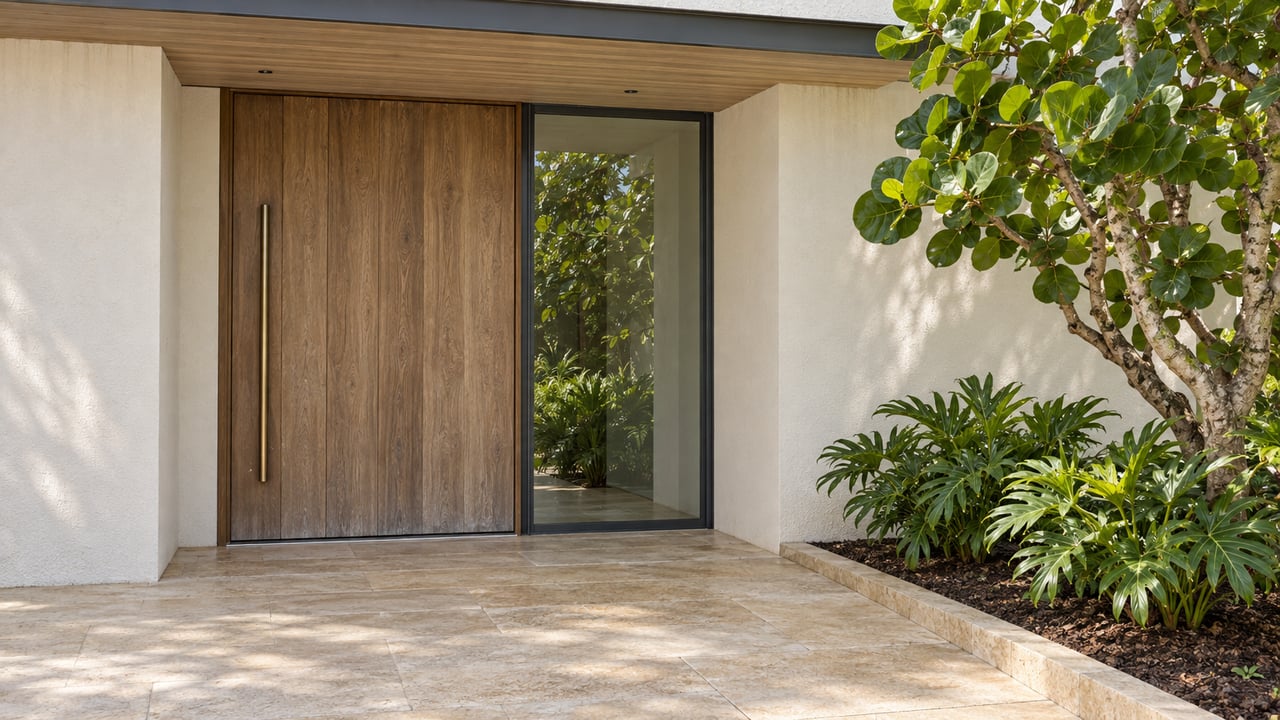
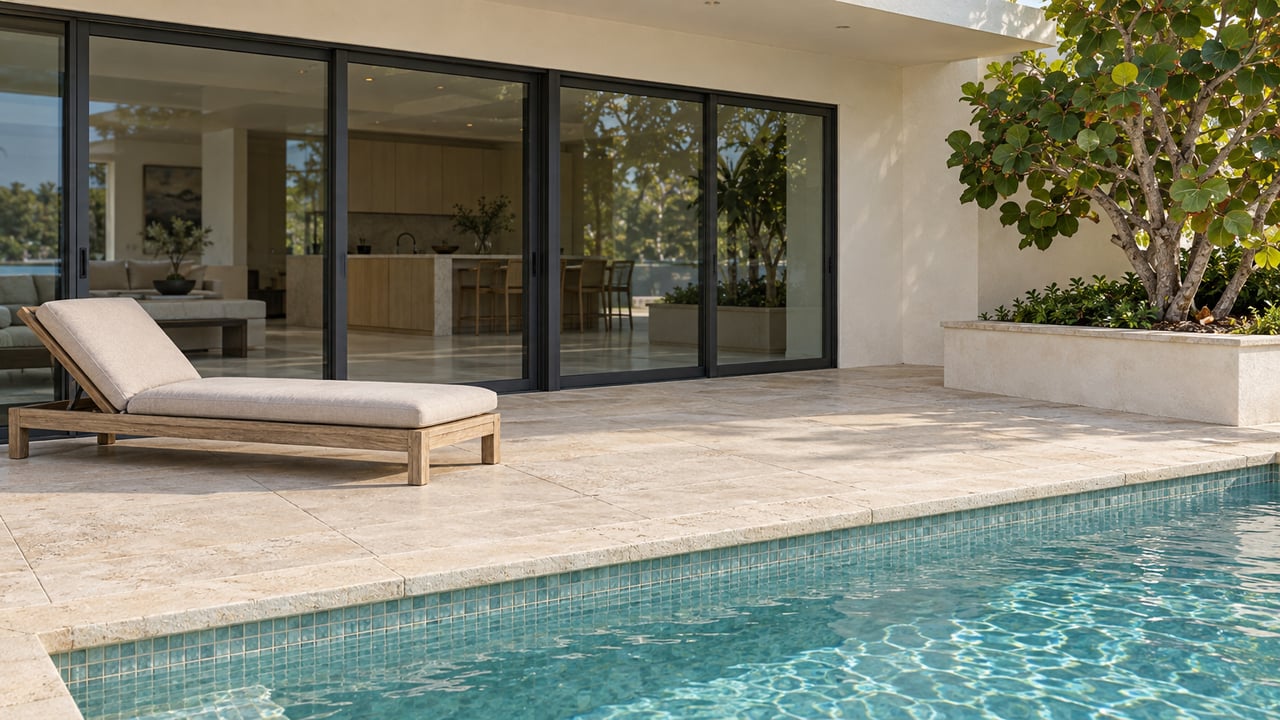
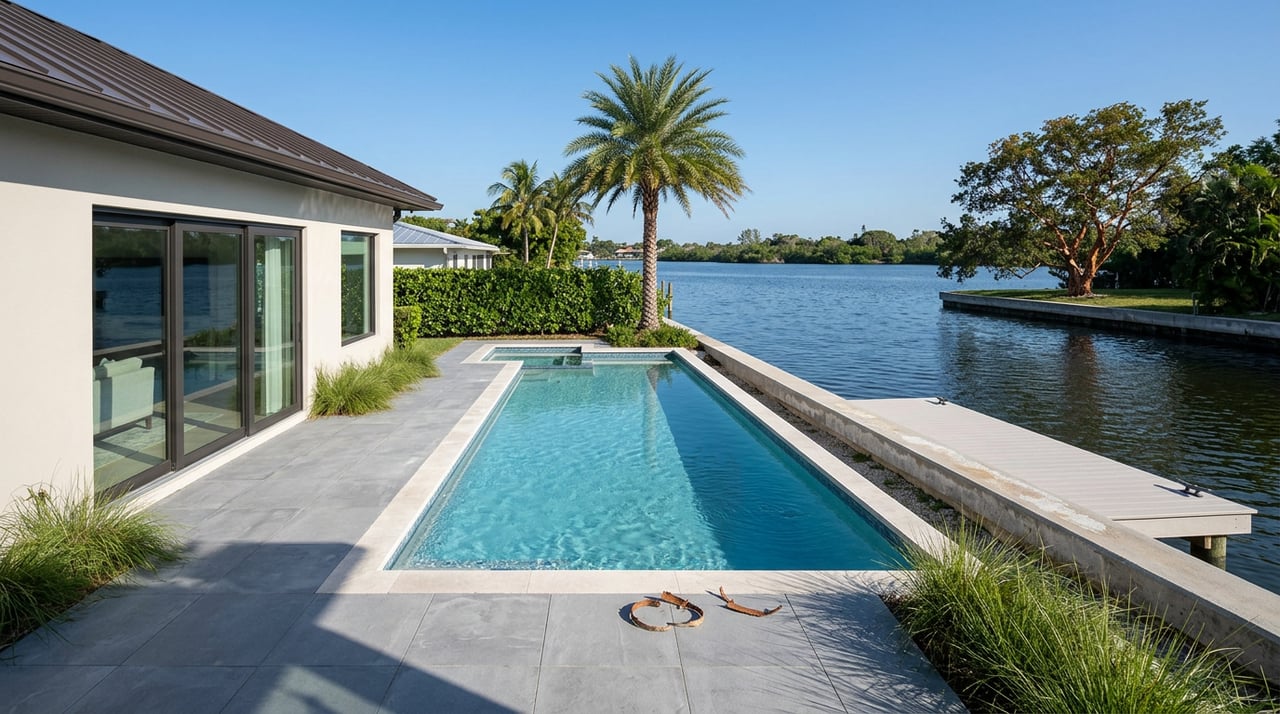
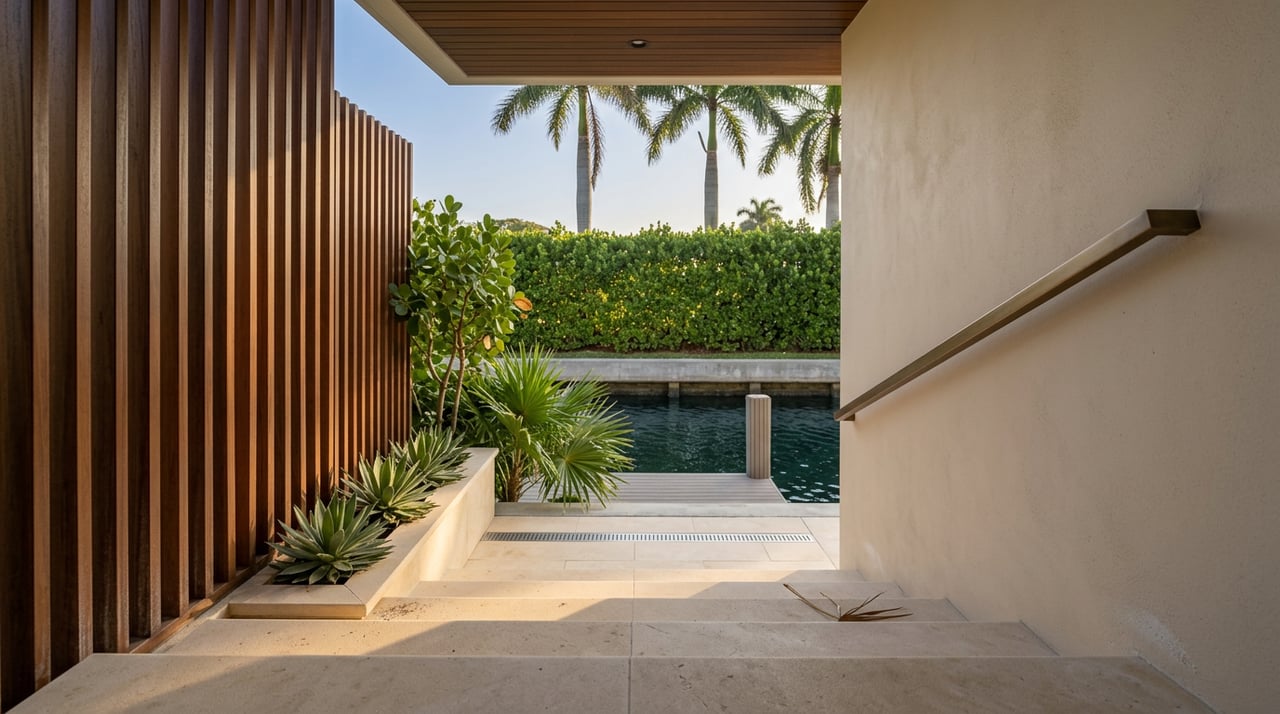
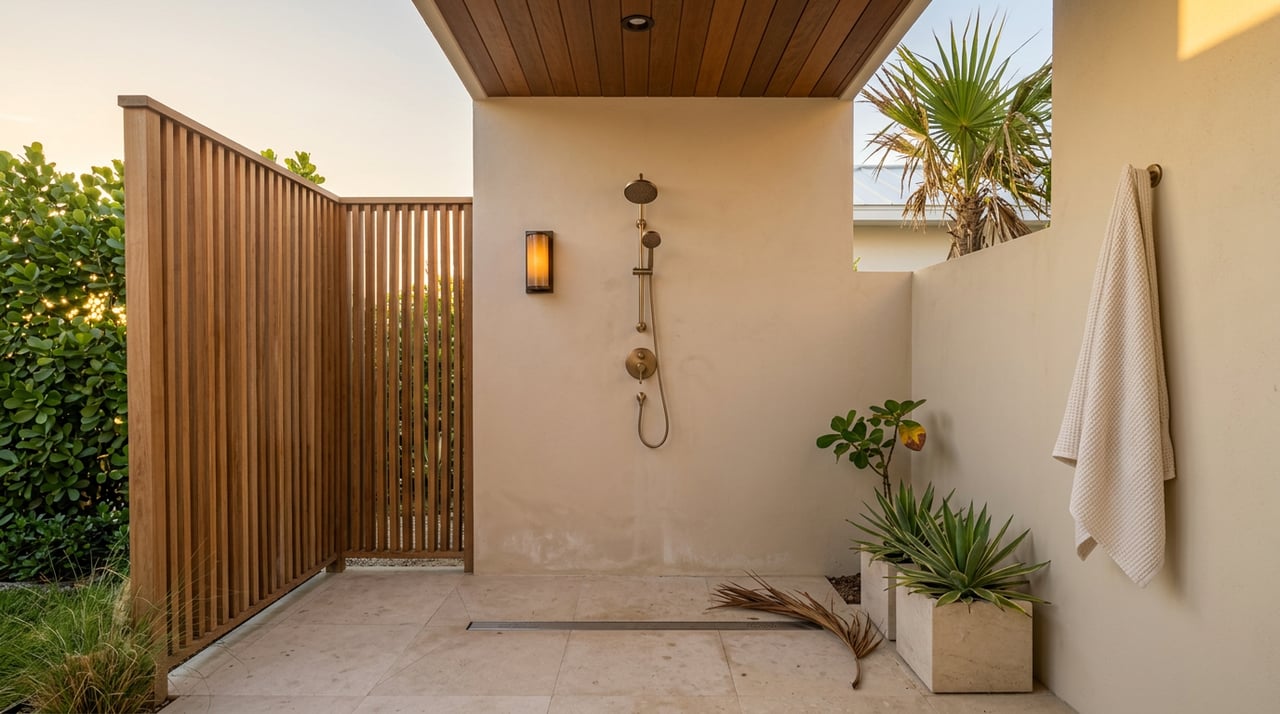
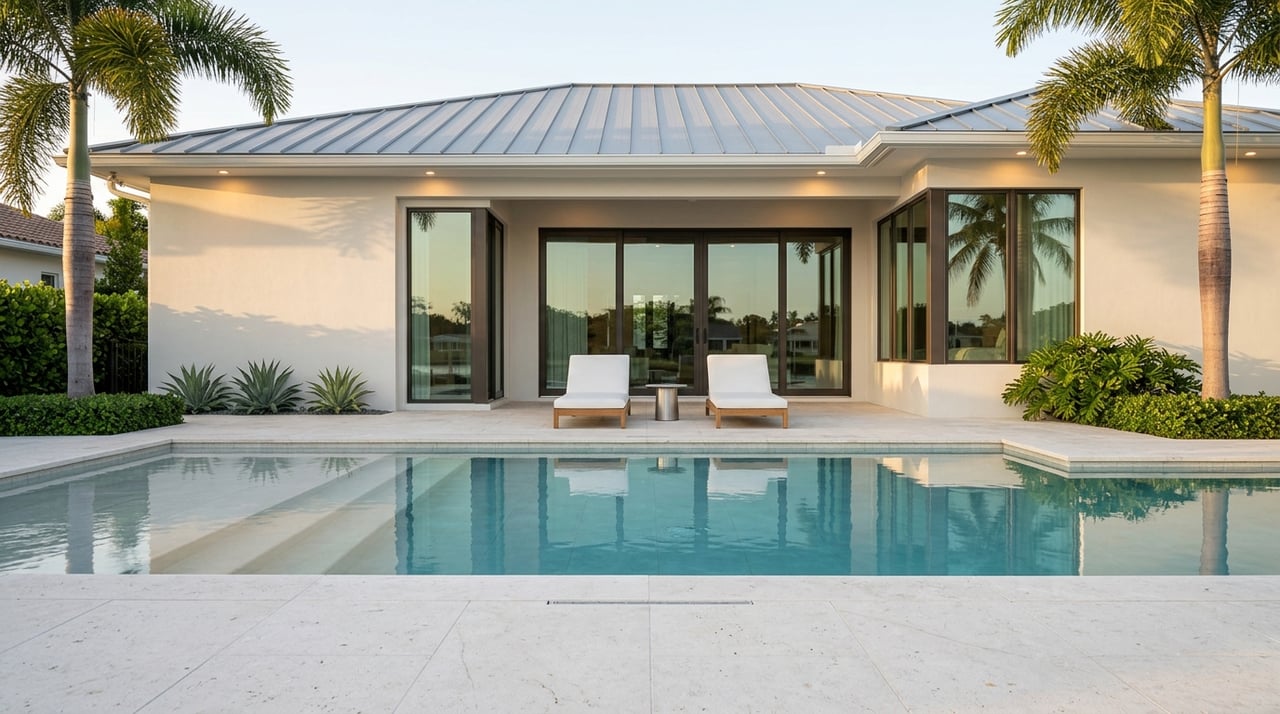
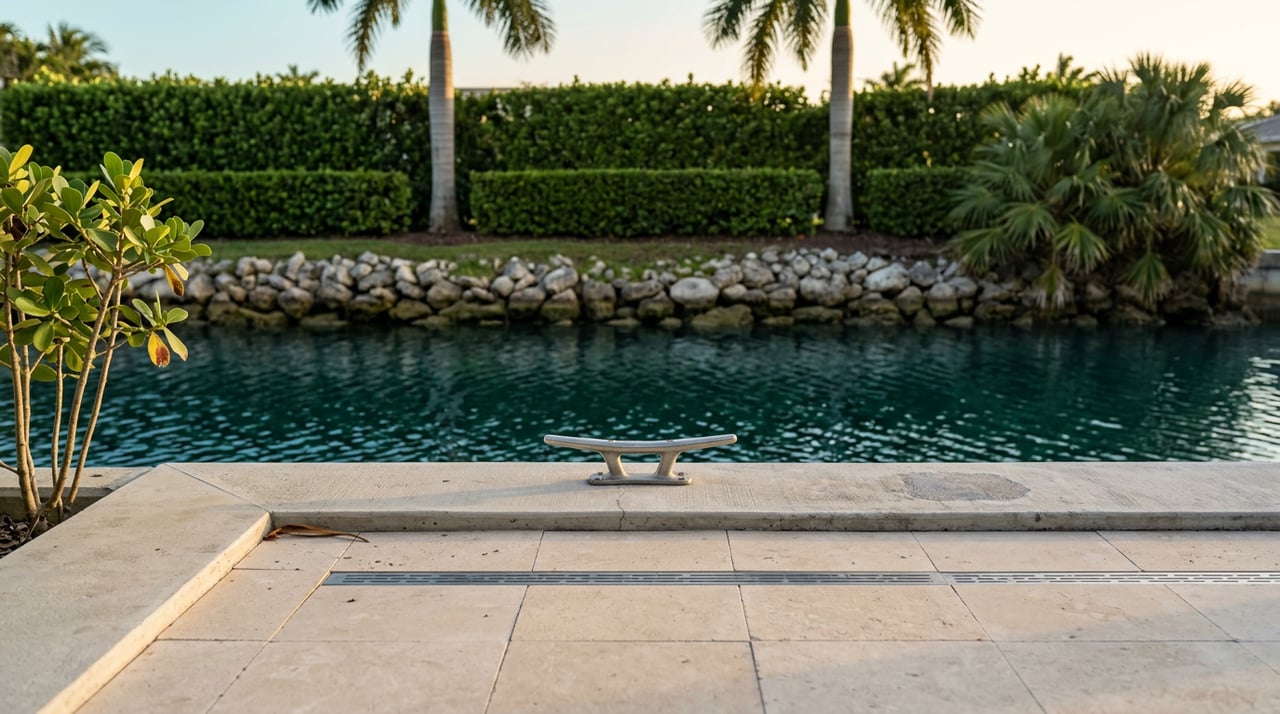
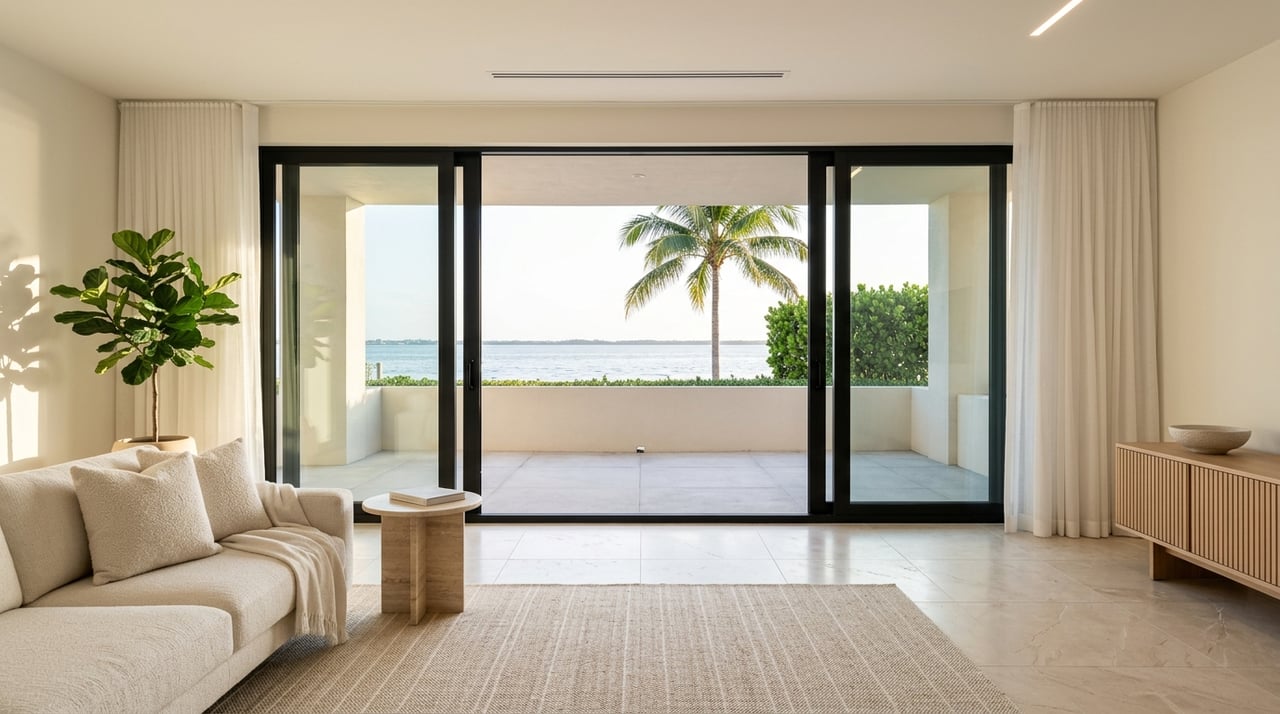
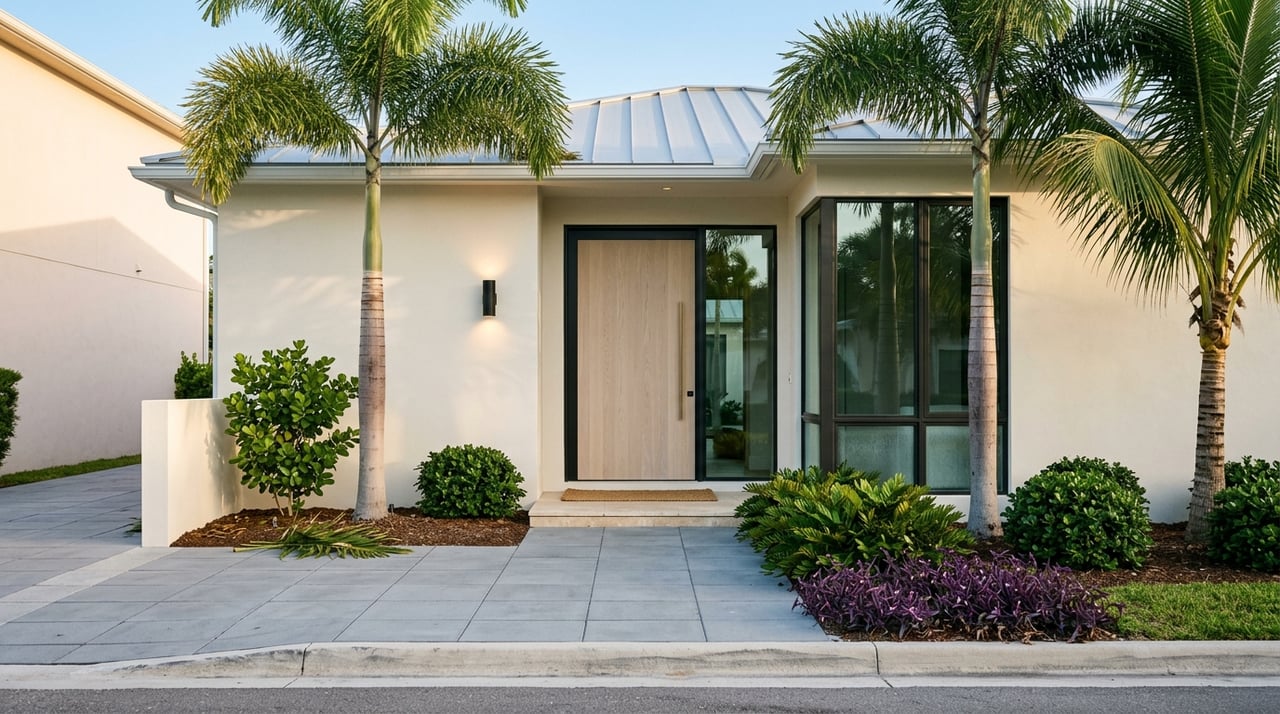
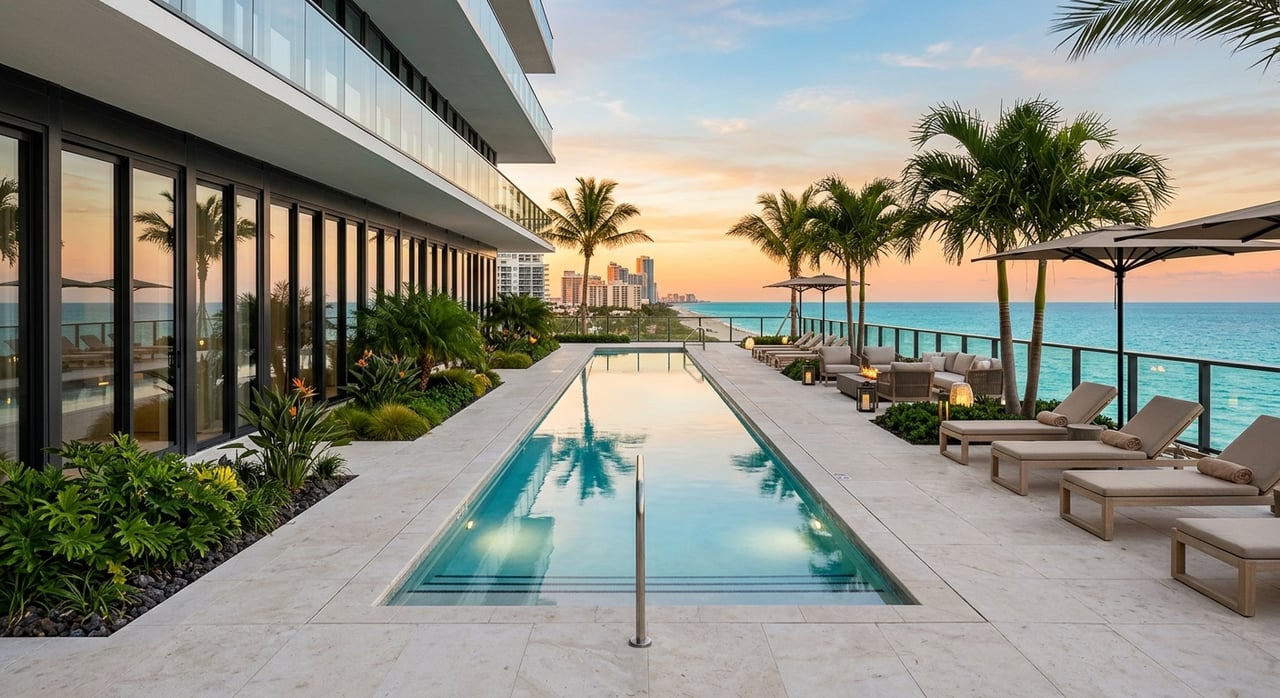
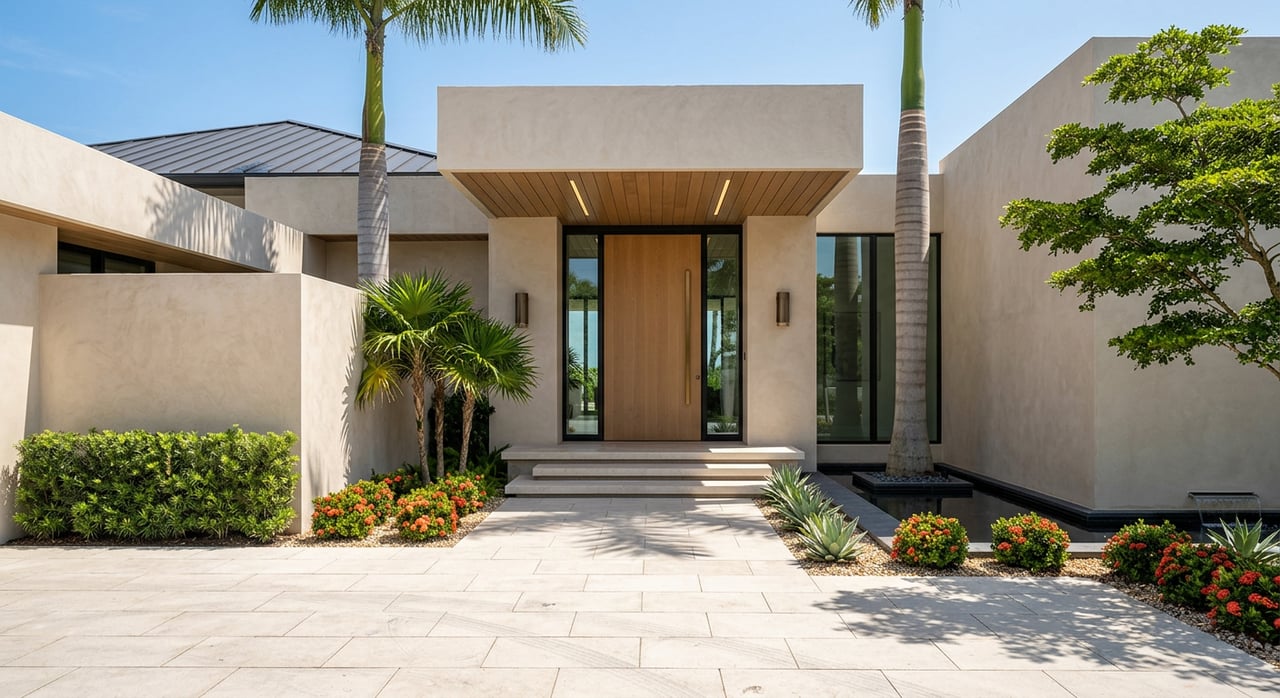
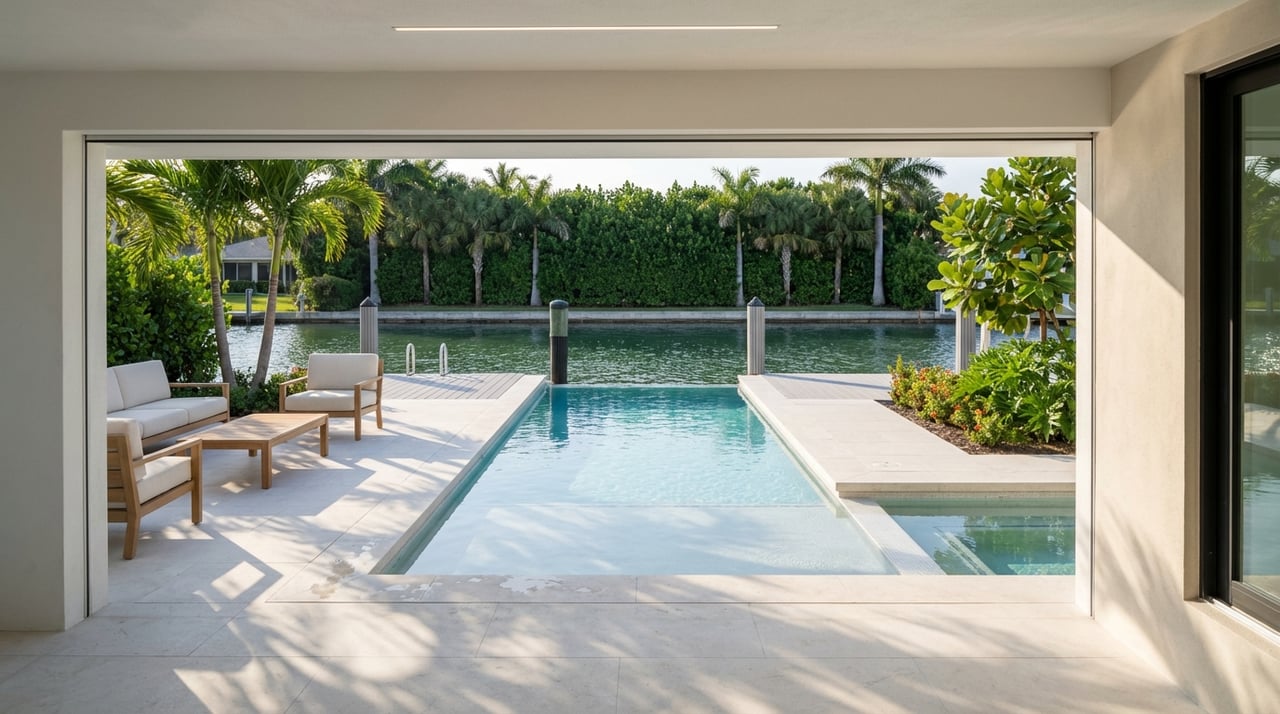
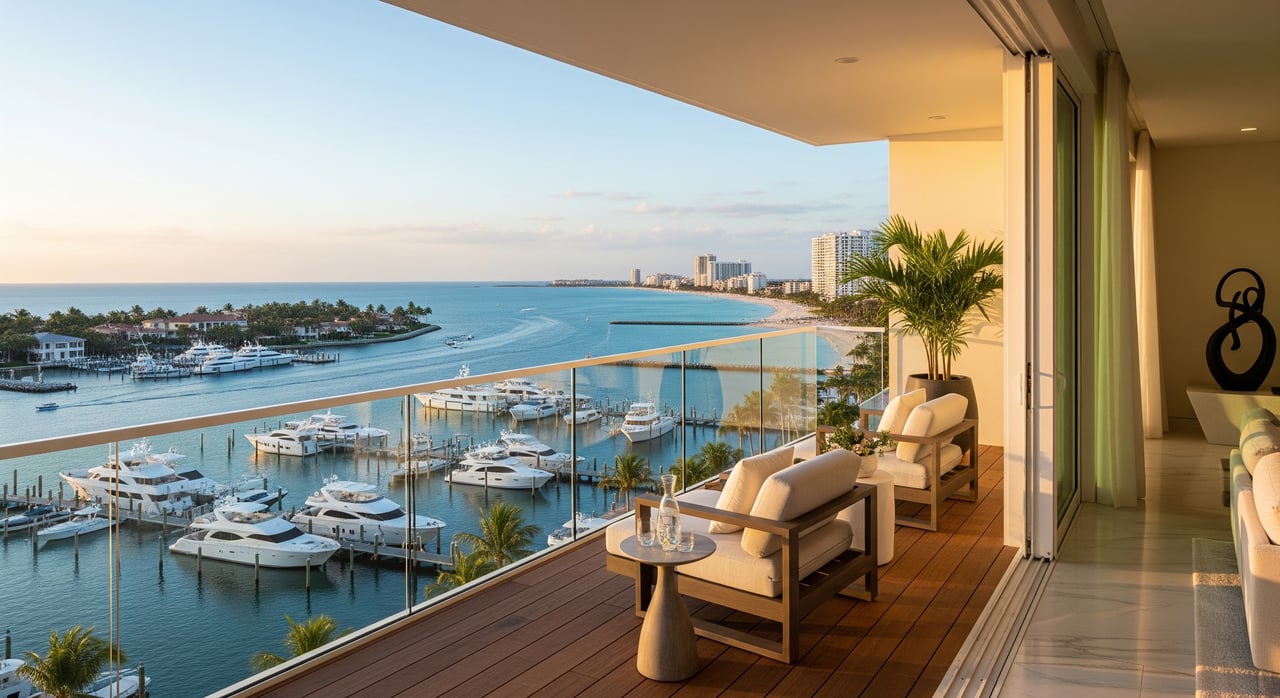
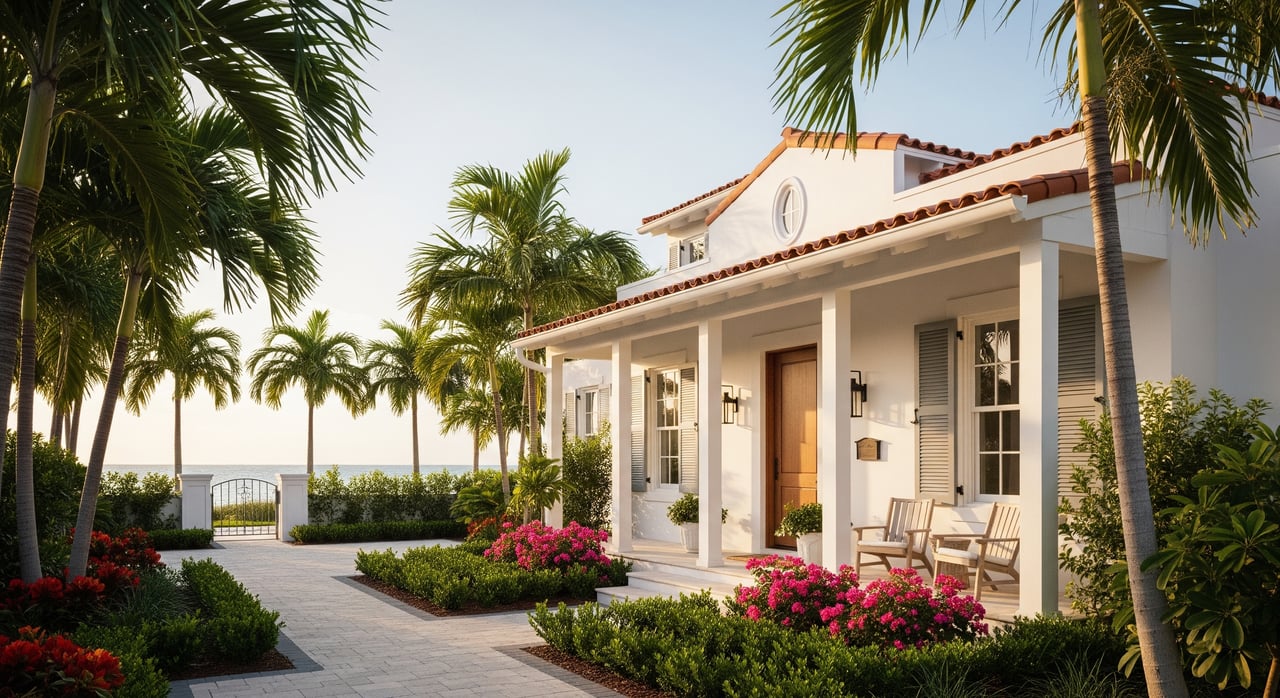
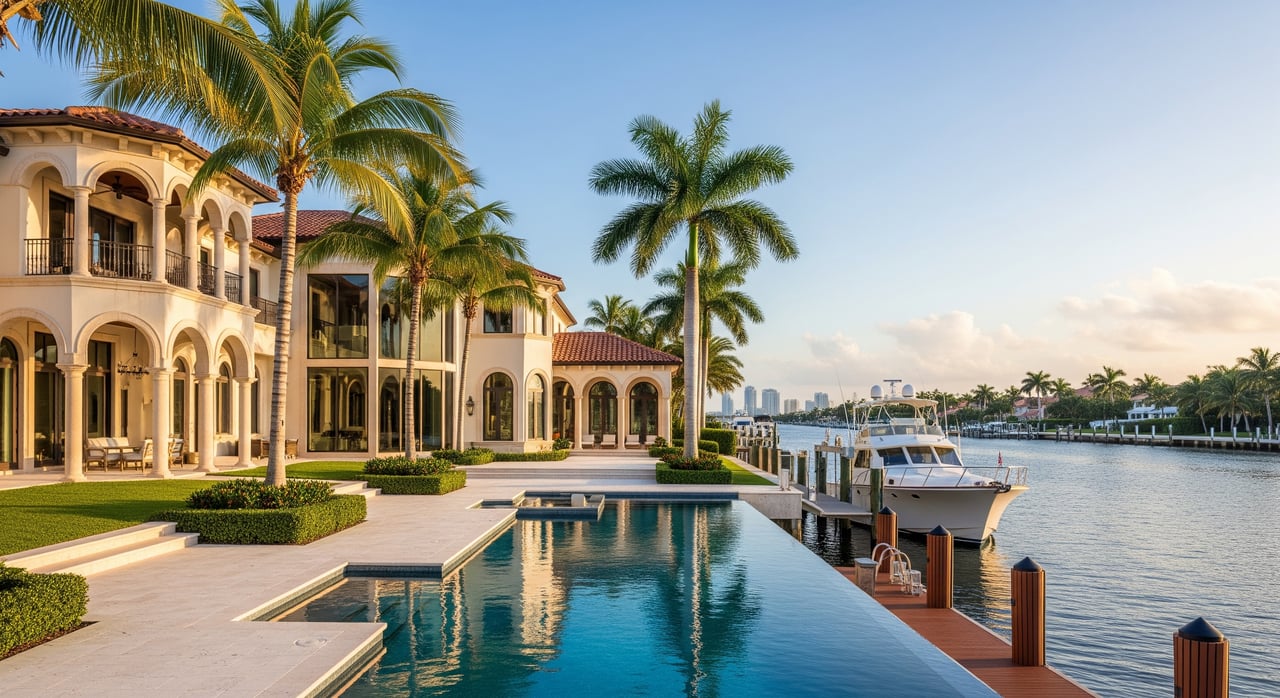
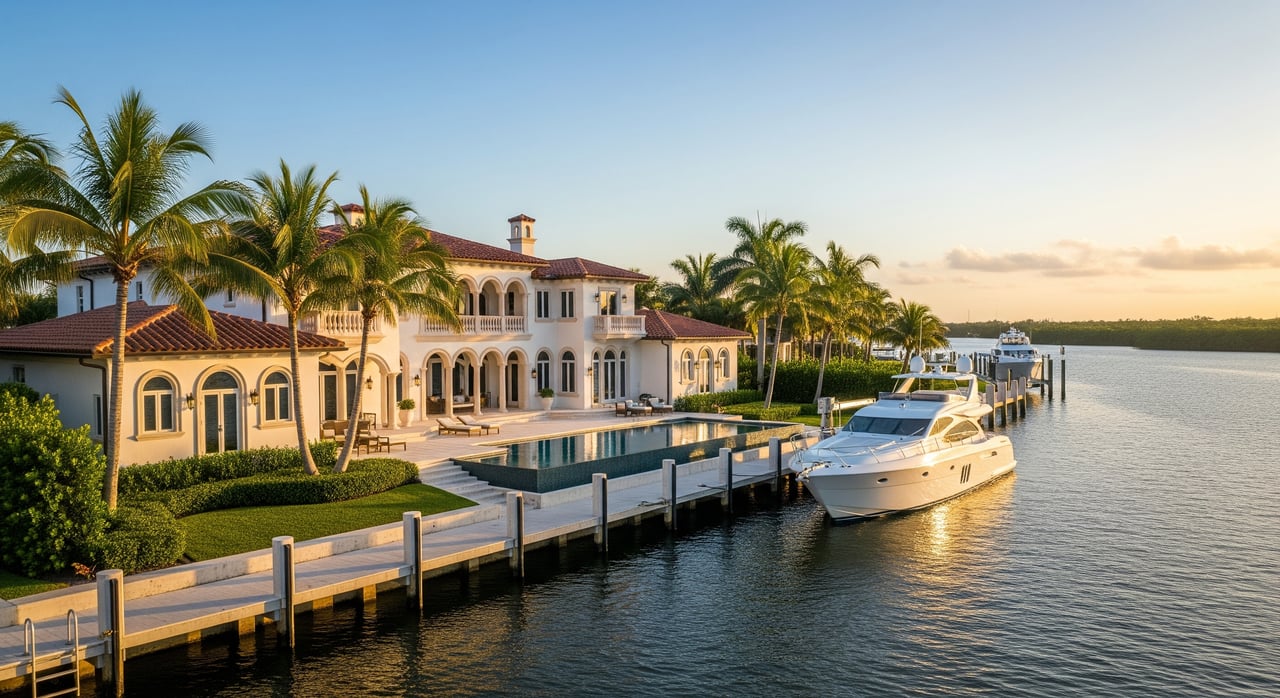
Port Royal is Naples’ most exclusive historic waterfront enclave, set on a small peninsula of beachfront and bayfront estates. Homes sit on large lots, many with private docks and deep-water access to Naples Bay and the Gulf. The neighborhood’s private, members-only beach club is a signature amenity for eligible properties and a core part of the lifestyle. You can explore membership and eligibility details on the Port Royal Club’s official site.
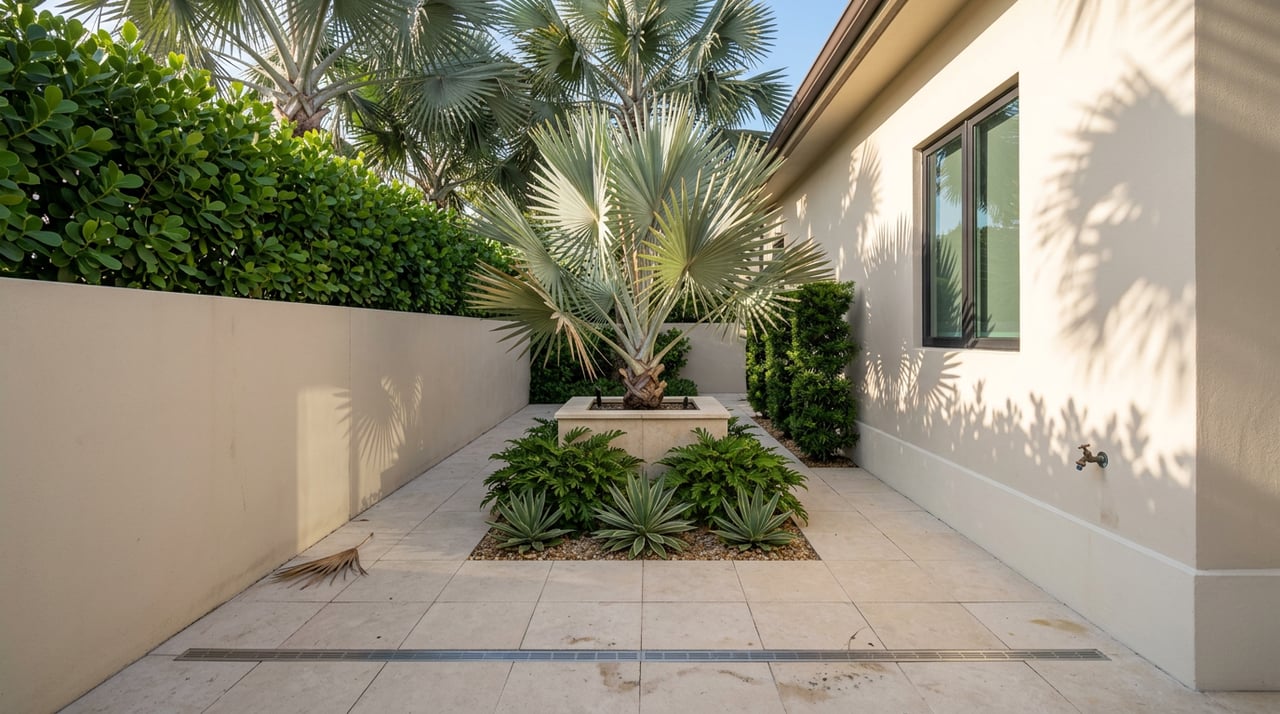
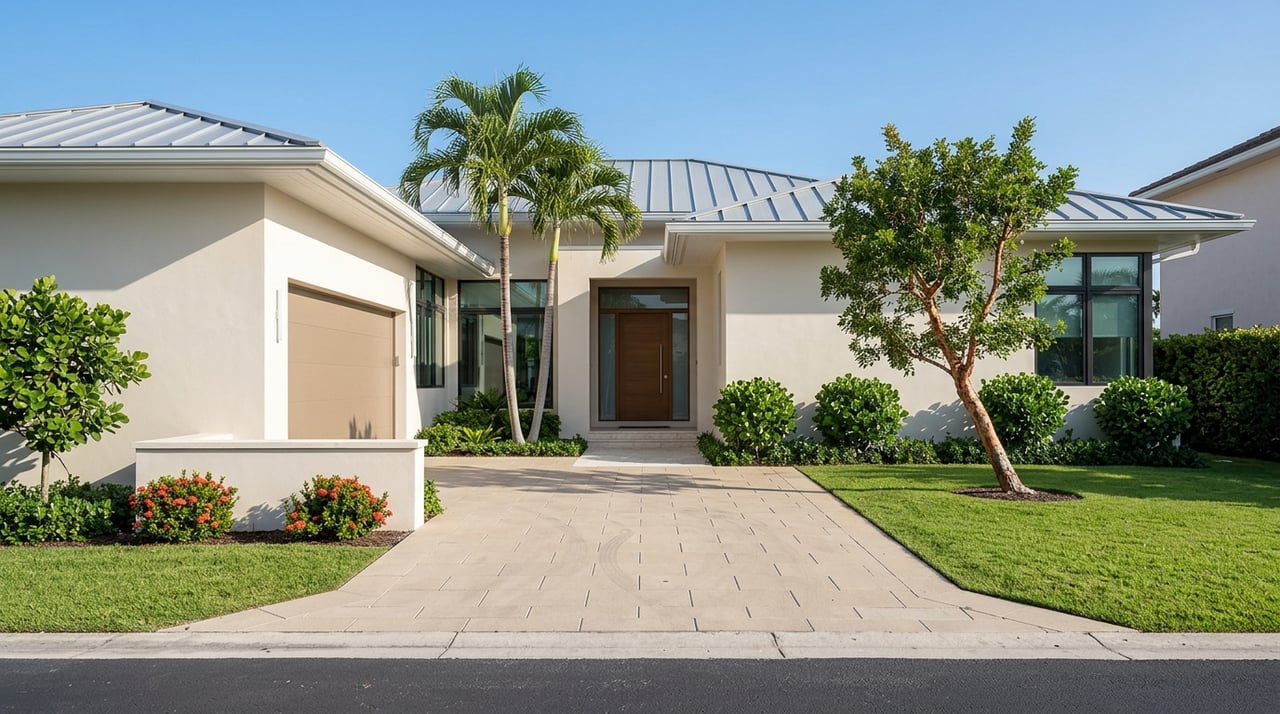
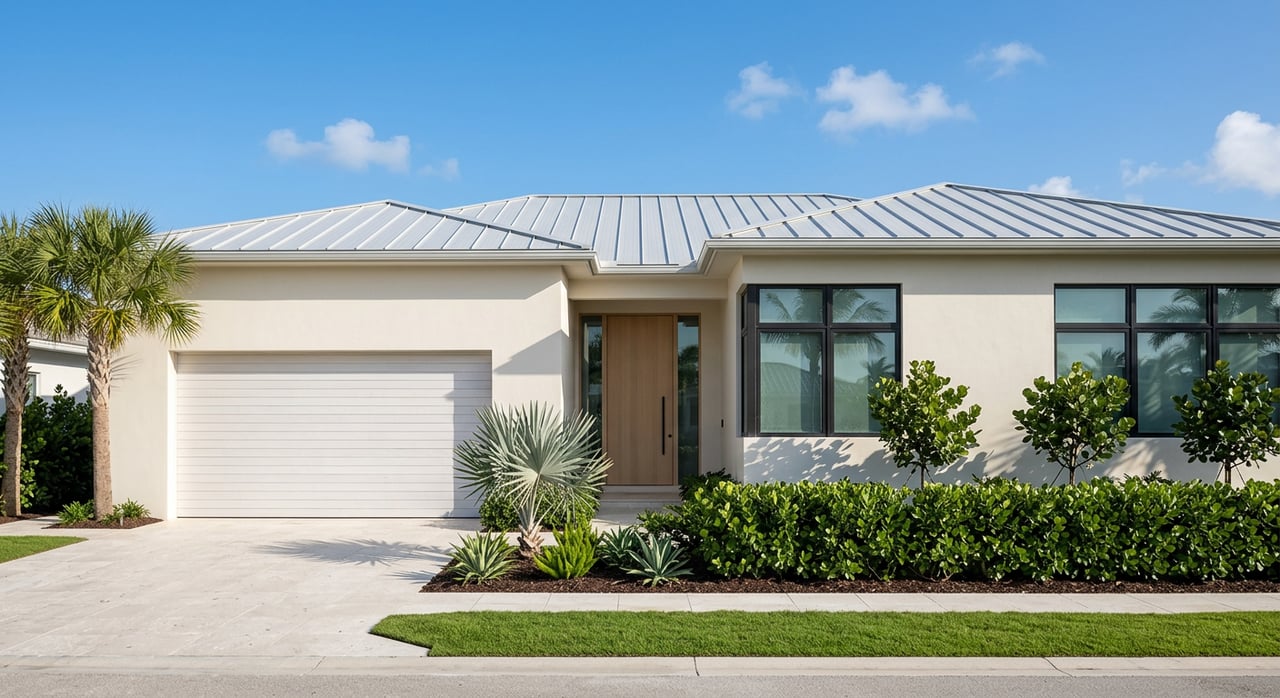
Inventory is limited and highly custom. Most homes are bespoke builds or complete rebuilds designed to ultra-luxury standards. That scarcity and the quality of waterfront land create a micro-market unlike typical suburban neighborhoods.
How pricing works in this micro-market
Port Royal does not lend itself to a single “average price.” Transactions are bespoke and often structured through entities or trusts. It is better to think in ranges and use recent sales to understand scale.
- An upper-tier example: three adjacent Gordon Drive beachfront parcels, totaling about 15 acres with roughly 800 feet of Gulf frontage, closed for a reported combined price of $225 million in April 2025. This set a Florida benchmark and shows the scale available in Port Royal. See coverage of the transaction in archived Naples Daily News reporting.
- High non-beachfront results also occur. Media reported an $85 million bayfront sale in April 2025, showing that top bayfront properties can approach nine figures in rare cases.
- Newly built estates have closed across a wide continuum, including the $20–60 million band. For example, a recent new construction closed near $24.95 million, as covered by Gulfshore Business.
The takeaway: eight-figure prices are common for larger waterfront parcels, and each home’s orientation, water frontage, and build quality drive value. You will want recent, property-specific comps as you evaluate options.
Club culture and membership essentials
A key feature of Port Royal is the private neighborhood beach club on Gordon Drive. Membership is tied to property eligibility and is a meaningful component of lifestyle and resale value. The Club’s materials make clear that eligibility runs with certain parcels, and ownership does not automatically guarantee membership in all cases. Always confirm whether a specific lot conveys membership rights with the Club office and your closing team. Visit the Port Royal Club for official context.
Many local descriptions note timing windows to elect membership after purchase and possible options to reserve rights, but specific initiation amounts and mechanics are private and vary. Treat membership steps as a closing task to verify parcel by parcel.
Boating and waterfront due diligence
Gulf access and navigation
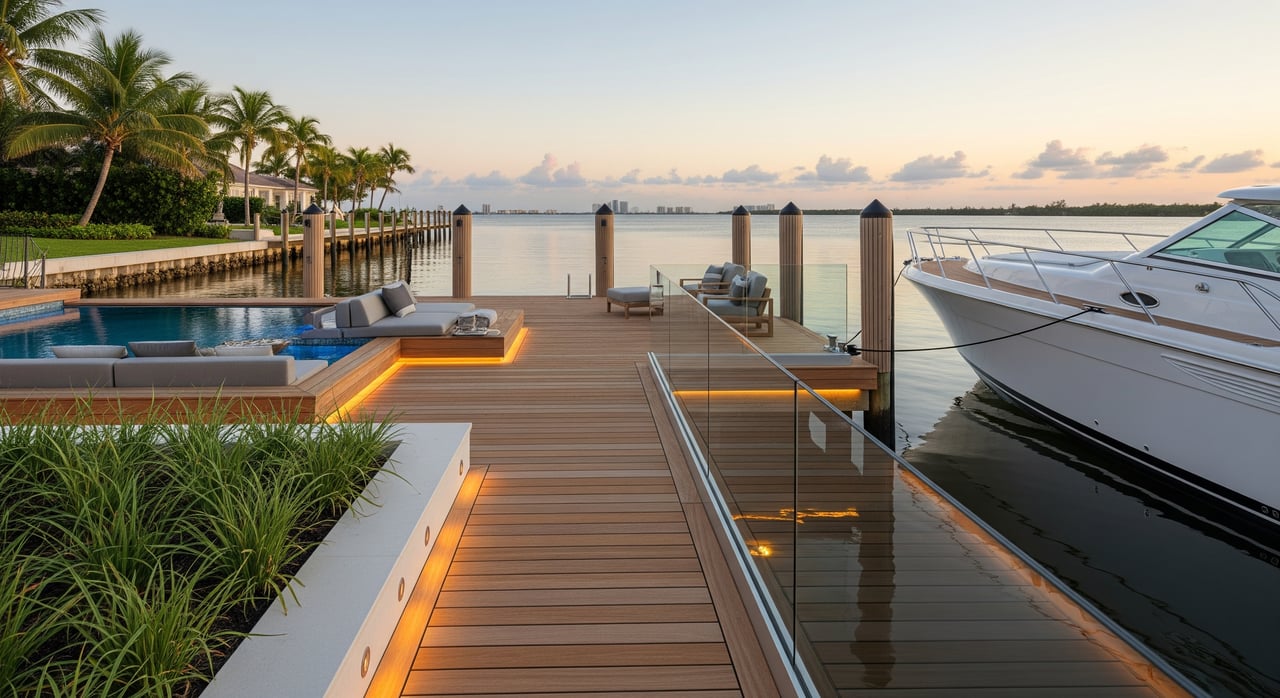
If yachting is central to your purchase, you will want to verify practical details before you write an offer. Port Royal owners typically reach open water via Naples Bay and Gordon Pass. You should confirm usable berthing length, channel depth at mean lower low water, and any turning or bridge constraints for the specific parcel. Serious boat owners often arrange a site-specific hydrographic check and a dock trial during due diligence.
Seawalls, docks, and permits
Seawall age, construction type, and condition have real cost and insurance implications. Replacement or major repairs usually require engineered drawings and permits. In Collier County, dock, seawall, or dredging work can involve county building review, Florida DEP coordination along the Coastal Construction Control Line, and in some cases U.S. Army Corps coordination. Local guidance on budgeting and permitting sequences west of U.S. 41 is summarized by marine contractors; see this overview of seawall maintenance and permitting steps for context.
Plan to order a professional seawall inspection, an engineering opinion, and a permit-history pull during the contract window. If you anticipate significant shoreline work, expect a multi-agency timeline and build that into your offer strategy.
Insurance and storm planning
Gulf-front and bayfront properties require thoughtful coverage for wind and water. Insurers will want current FEMA flood maps and an elevation certificate, and premiums vary by elevation, flood zone, and mitigation features. Order an elevation certificate and preliminary flood information early so your insurance team can quote accurately.
Taxes, costs, and cross-border planning
Florida closing taxes and fees
Florida documentary stamp tax on deeds is generally 0.70 per $100 of consideration outside Miami-Dade. Documentary stamps on notes and mortgages are 0.35 per $100, and the nonrecurring intangible tax on mortgages is 0.002 of the loan amount. These are standard line items on Florida closings. You can review statutory rates at the Florida Department of Revenue. Who pays which items is set by contract and local custom.
Title insurance in Collier County
In Collier County, it is often customary for the buyer to pay for the owner’s title insurance policy, though this is negotiable and should be confirmed with the title company. For an overview of county-by-county practice, see this title insurance custom explainer.
FIRPTA on resale for foreign owners
If you later sell and you are a non-U.S. seller, the Foreign Investment in Real Property Tax Act (FIRPTA) generally requires the buyer, as withholding agent, to withhold 15 percent of the amount realized and remit it to the IRS. Limited exceptions and reduced withholding may apply in certain scenarios, and parties can apply for a withholding certificate to adjust the amount. Review the IRS summary of FIRPTA withholding as you plan your exit.
U.S. estate tax exposure for nonresident owners
Foreign individuals who die owning U.S. real property face U.S. estate tax on U.S.-situs assets. Unlike U.S. citizens and domiciled residents, nonresident alien decedents historically have a small U.S. estate exemption often cited as $60,000, which can create material exposure without planning or treaty relief. See the IRS Internal Revenue Manual reference on nonresident estates for background: IRM 3.12.263. Coordinate early with cross-border estate counsel.
Ownership structures and reporting
Common approaches include direct personal ownership, a U.S. LLC for liability protection, or ownership through a foreign holding company or trust. Each has tradeoffs across estate tax, income tax, privacy, and filings. New beneficial ownership reporting rules under the Corporate Transparency Act can require BOI filings for many entities. Review FinCEN’s beneficial ownership FAQs with your counsel to understand obligations.
ITINs and U.S. tax IDs
If you expect U.S. tax reporting or plan to seek a FIRPTA refund, you will likely obtain an Individual Taxpayer Identification Number (ITIN). Your tax adviser can coordinate the W-7 application and certified identification.
Financing patterns for foreign buyers
Many international buyers in this segment purchase in cash to streamline closing and preserve privacy. When financing is used, lenders often ask for higher down payments, alternative documentation, and ample reserves, with terms varying by borrower profile and bank appetite. Specialized foreign-national programs exist, but you should engage a lender before making an offer to confirm timeline and structure. For an overview of common requirements, see this primer on foreign national mortgages.
How offshore transactions usually unfold
- Pre-qualification and team assembly. Choose a Naples-based broker with cross-border luxury experience, a local real estate attorney or title company, a tax adviser, and a marine contractor if waterfront.
- Confidential marketing and viewings. Many high-end properties trade quietly. Your advisor can coordinate private showings and protected negotiations.
- Offer and deposit. You will place an earnest deposit with a Florida title company. If acquiring through an entity, offers often reference the vehicle and may include a limited power of attorney for closing.
- Contract due diligence. Order title commitment and tax search, survey, full marine/seawall inspection, structural inspection, and a review of Club eligibility and transfer rules. Pull permit history and confirm any coastal or CCCL constraints. If financing, your lender will order an appraisal.
- Compliance and closing logistics. Expect enhanced KYC with passport copies, beneficial-owner disclosures, and source-of-funds documentation. FinCEN/OFAC screening is routine at this level. For entity ownership, confirm Corporate Transparency Act BOI filings using FinCEN guidance.
- Remote signing options. Florida permits remote online notarization under Chapter 117, which many offshore buyers use with title companies or a limited POA. Review the statute and coordinate early with your lender: Florida Chapter 117.
- Post-closing. The title company records the deed. If the seller was foreign, FIRPTA withholding and associated filings are processed. Confirm any Port Royal Club membership transfer steps.
Due-diligence checklist for Port Royal buyers
Use this as a quick reference during your search:
- Confirm Port Royal Club membership eligibility for the specific parcel with the Club office and your title team. Start at the Port Royal Club.
- Clarify who pays for the owner’s title insurance policy per Collier County custom and your contract. See the county-by-county title custom guide.
- Estimate Florida documentary stamp tax and intangible tax based on your structure. Review statutory rates at the Florida Department of Revenue.
- Assess FIRPTA exposure on future resale if you are a foreign owner, and understand buyer withholding mechanics. See IRS FIRPTA guidance.
- Order a seawall and dock inspection, with an engineering opinion and permit-history search. Local context on costs and permits is outlined in this seawall overview.
- Obtain a flood zone determination and an elevation certificate for accurate insurance quotes.
- Confirm any coastal-construction or CCCL restrictions that may affect renovations or shoreline work.
- Align on your ownership structure and beneficial ownership reporting obligations under the Corporate Transparency Act with counsel. Use FinCEN’s BOI FAQs as a starting point.
- If financing, secure a foreign-national pre-approval letter before making offers.
- Verify wire instructions directly with the title company and follow their fraud-prevention procedures.
Why work with a Naples-based cross-border adviser
- Local market memory and relationships. The most compelling opportunities in Port Royal often trade quietly. Local pros track off-market options and the membership nuances that matter at resale. Regional reporting highlights how the ultra-luxury segment continues to thrive in Naples; see Gulfshore Business coverage.
- Waterfront expertise and sequencing. Coordinating marine surveys, seawall engineers, title work, and Club liaisons keeps your timeline predictable and your exposure low.
- Cross-border coordination. An experienced team works with your international counsel on FIRPTA, estate exposure, FinCEN reporting, and ITIN needs so you can focus on the home itself.
When you are ready to explore Port Royal, you deserve a discreet, senior-advisor-led process that respects your time and privacy. For private listings, thoughtful guidance, and end-to-end coordination, connect with Karen Van Arsdale. Schedule a private consultation.
FAQs
What sets Port Royal apart for international buyers?
- It is a small, ultra-luxury peninsula of beachfront and bayfront estates with deep-water access and a private members-only beach club, creating a rare blend of privacy, boating, and resort-style amenities.
How does Port Royal Club membership work when I buy?
- Membership is tied to parcel eligibility and is not automatic for every address; confirm eligibility and transfer steps for the specific property with the Club and your closing team.
What should yacht owners verify before purchasing in Port Royal?
- Confirm usable dock length, channel depth at MLLW, turning basin constraints, and seawall condition; arrange a marine inspection and consider a dock trial during due diligence.
Which Florida closing taxes should I expect on a cash purchase?
- Plan for deed documentary stamp tax at 0.70 per $100 of price outside Miami-Dade; if you finance, expect note stamps at 0.35 per $100 and an intangible tax of 0.002 on the mortgage amount.
Who typically pays for owner’s title insurance in Collier County?
- Local custom often has the buyer paying the owner’s title policy in Collier, but this is negotiable and should be confirmed with the title company in your contract.
How does FIRPTA affect me if I sell as a foreign owner?
- The buyer usually withholds 15 percent of the amount realized and remits it to the IRS, subject to limited exceptions; you can apply for a withholding certificate to adjust the amount.
Do I need to report beneficial ownership if I use an entity?
- Many entities now have Beneficial Ownership Information reporting obligations under the Corporate Transparency Act; your counsel should confirm if and when you must file with FinCEN.