Picture stepping out your door and walking to the beach, coffee, dinner, and a gallery opening all in one evening. If that is how you imagine your Naples retreat, Old Naples belongs on your shortlist. As a second‑home buyer, you want a place that is easy to enjoy and simple to manage from afar. This guide shows you how to choose the right Old Naples property, from lock‑and‑leave condos to cottage rebuilds, with clear insights on rental rules, insurance, and seasonality. Let’s dive in.
Why Old Naples works for a second home
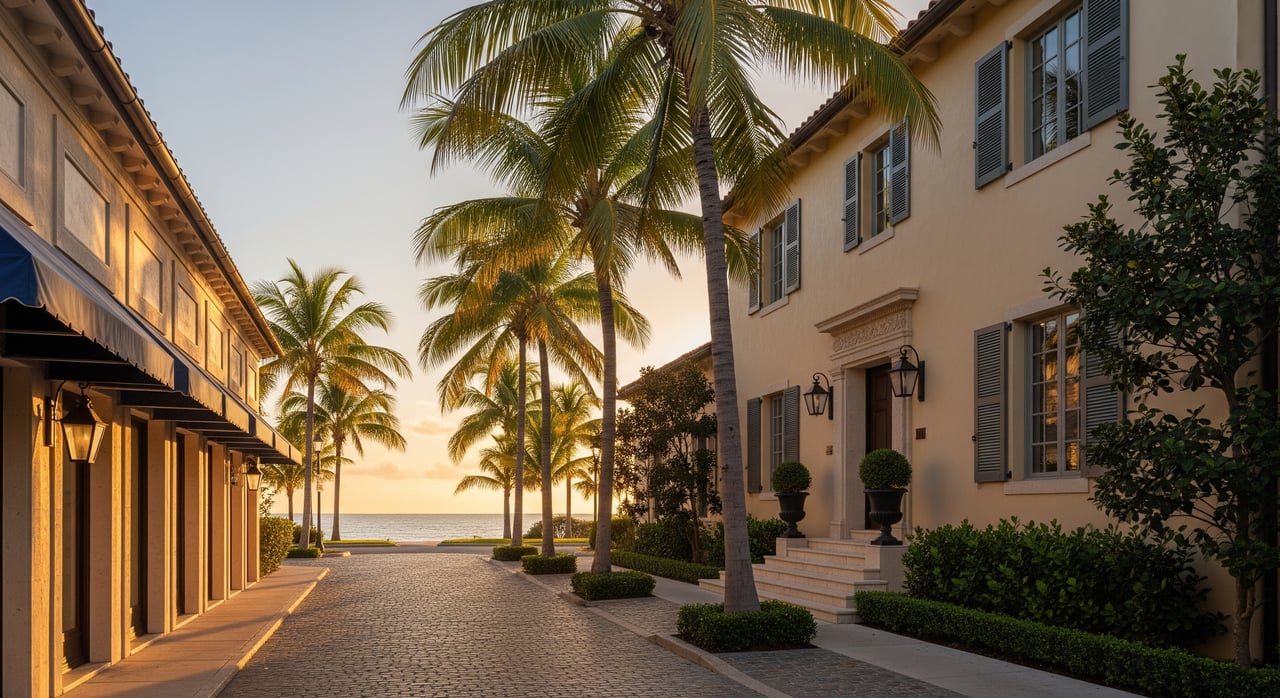
Old Naples is the historic heart of Naples, centered on Third Street South, Fifth Avenue South, and the Naples Pier. The neighborhood is compact and highly walkable, with dining, boutiques, and parks woven into quiet, palm‑lined streets. According to the neighborhood’s Walk Score profile, it is the city’s most walkable area, which is a major advantage when you are here for long weekends or a winter season.
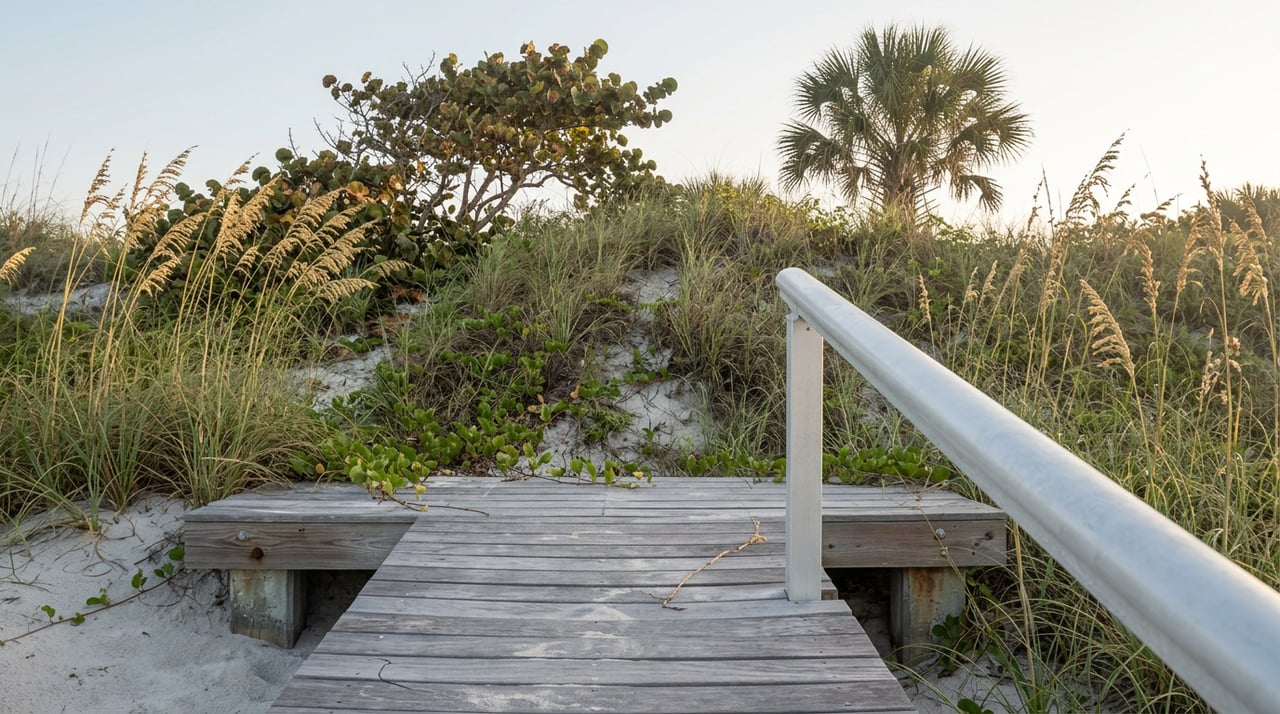
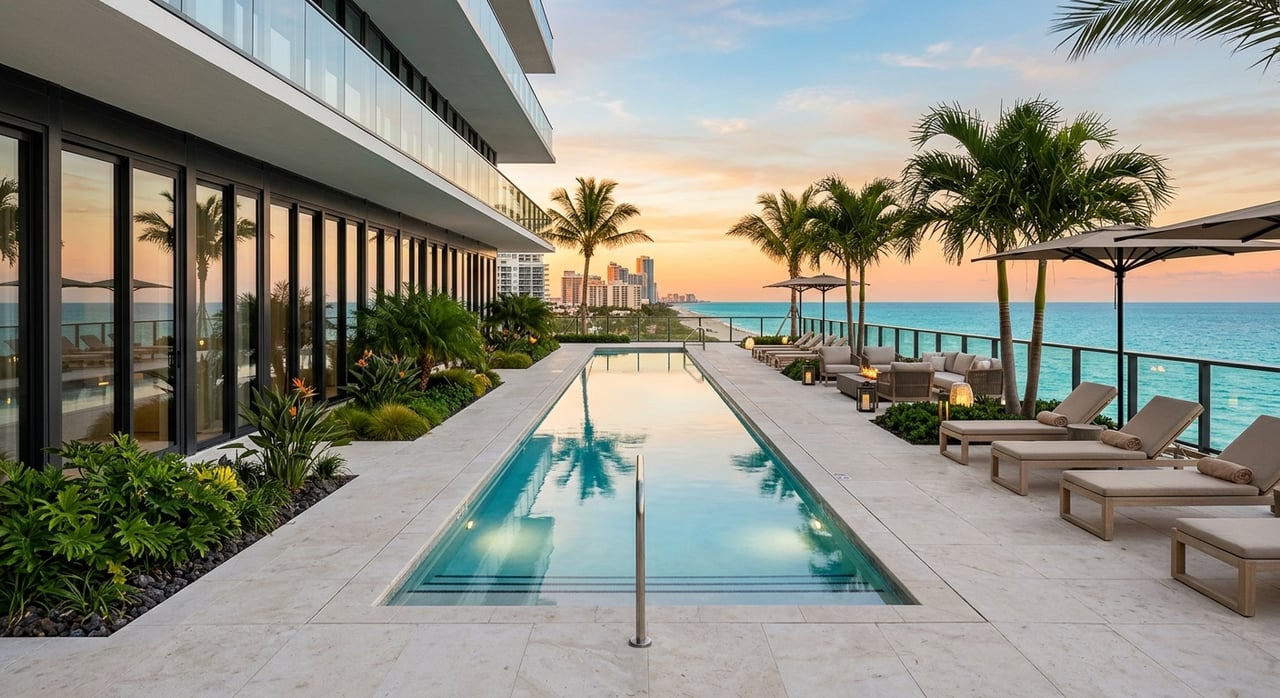
The beach anchors daily life. The Naples Pier and public beach remain central gathering spots for sunrise walks, casual fishing, and sunsets. Cultural programming is strong in season. Artis—Naples and The Baker Museum bring concerts, exhibitions, and performances, while the Third Street South farmers market becomes a weekly ritual for many residents in winter. You can preview the feel of that market through this Third Street South event listing.
What you will find: homes and condos
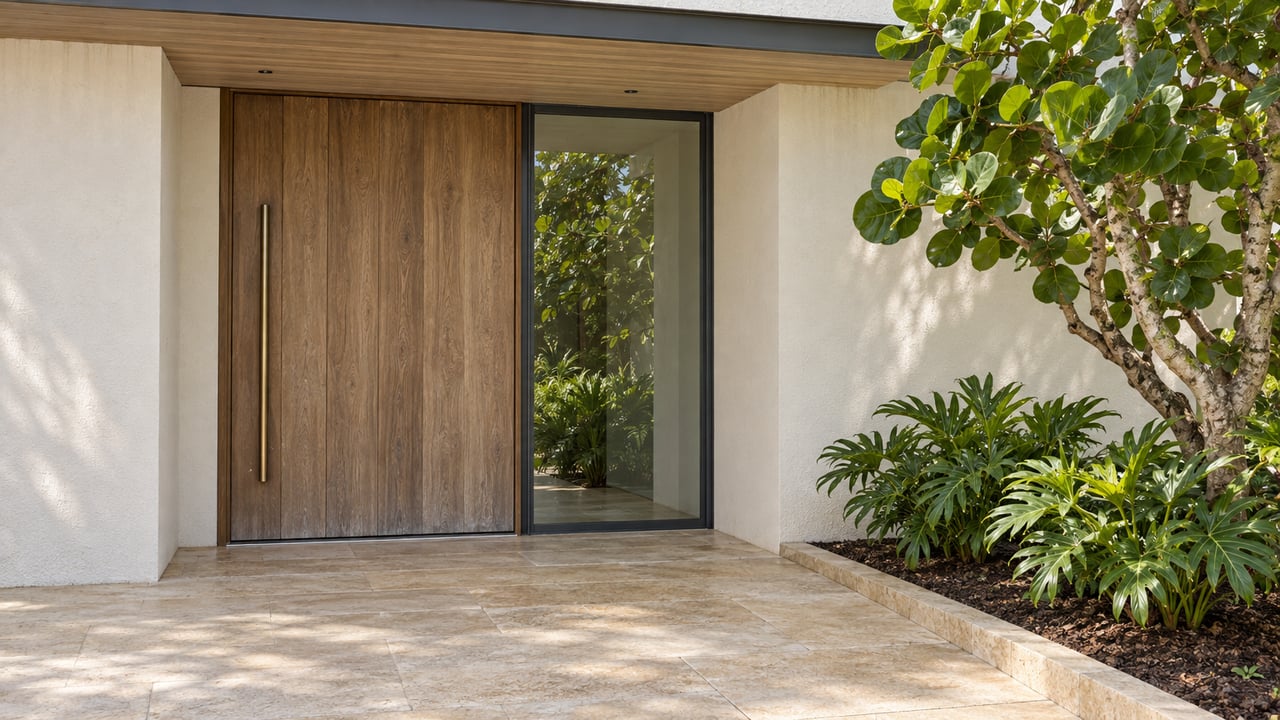
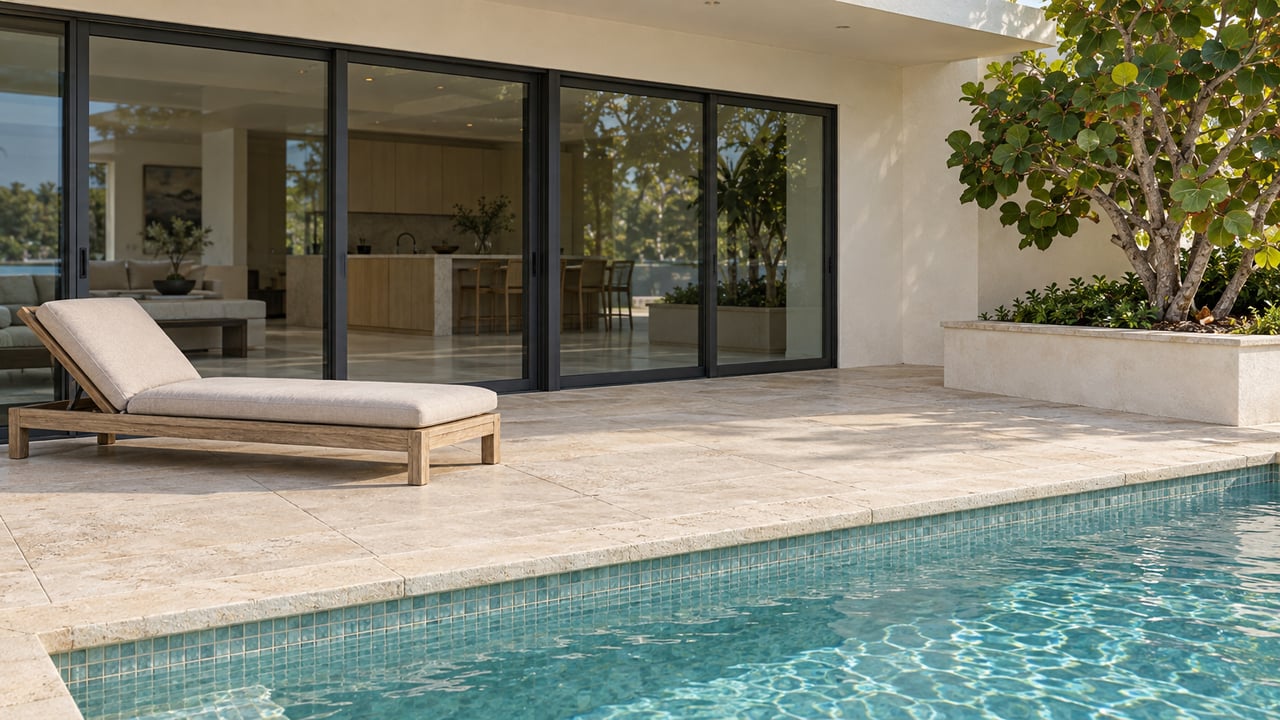
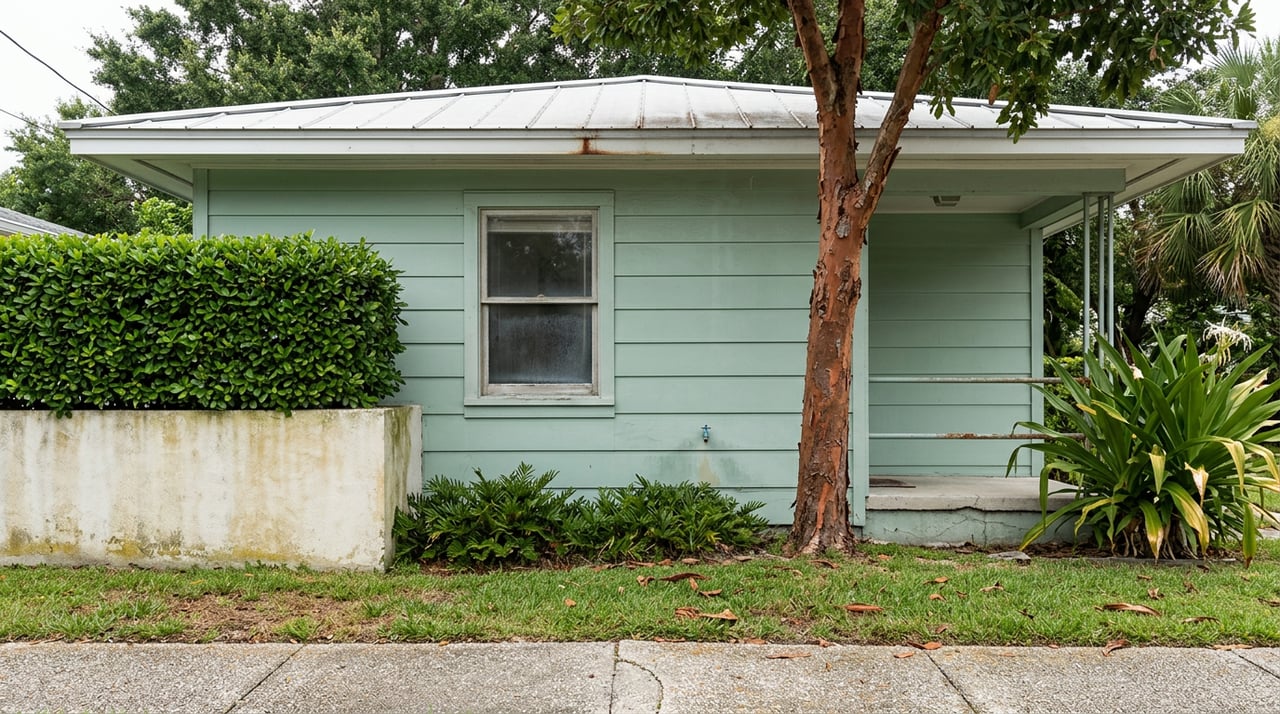
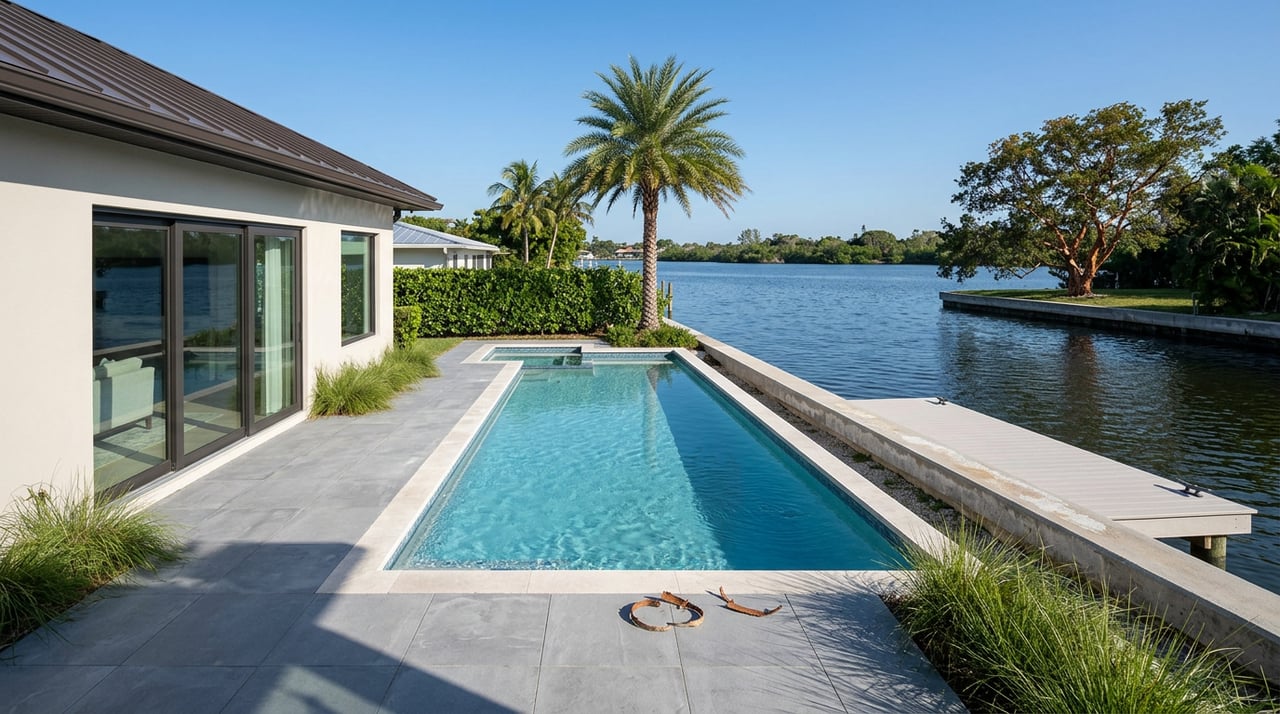
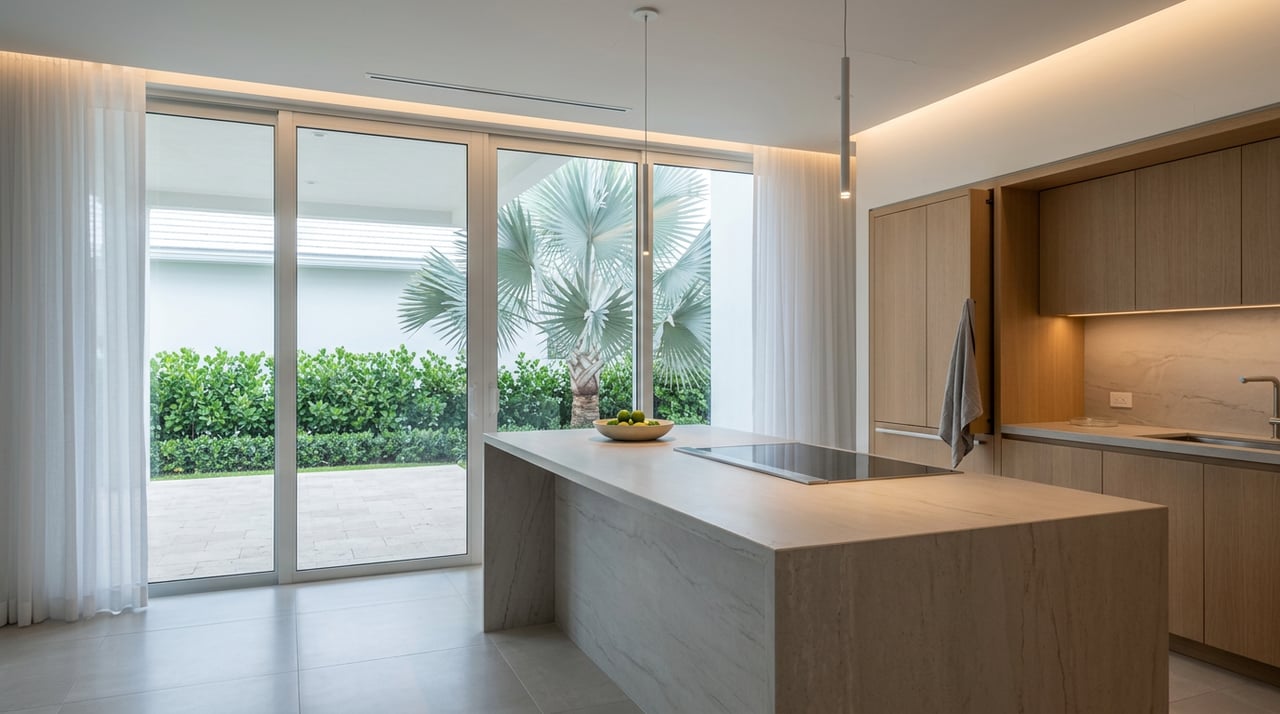
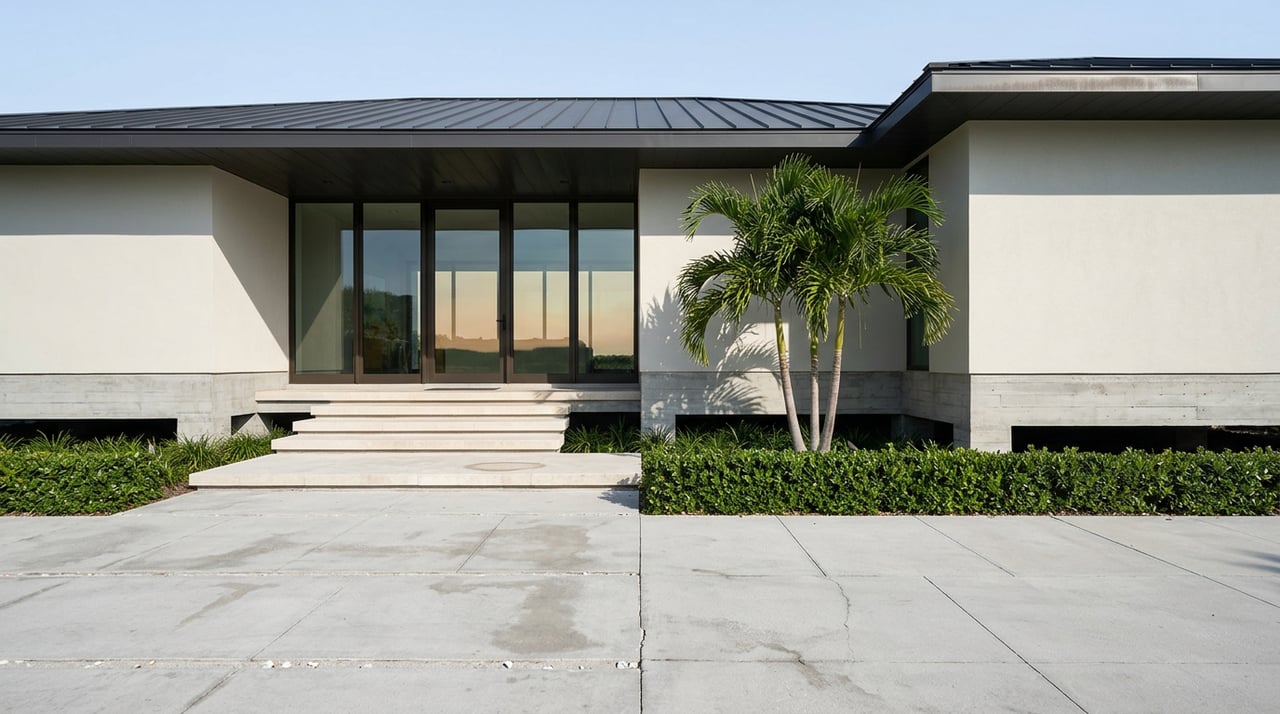
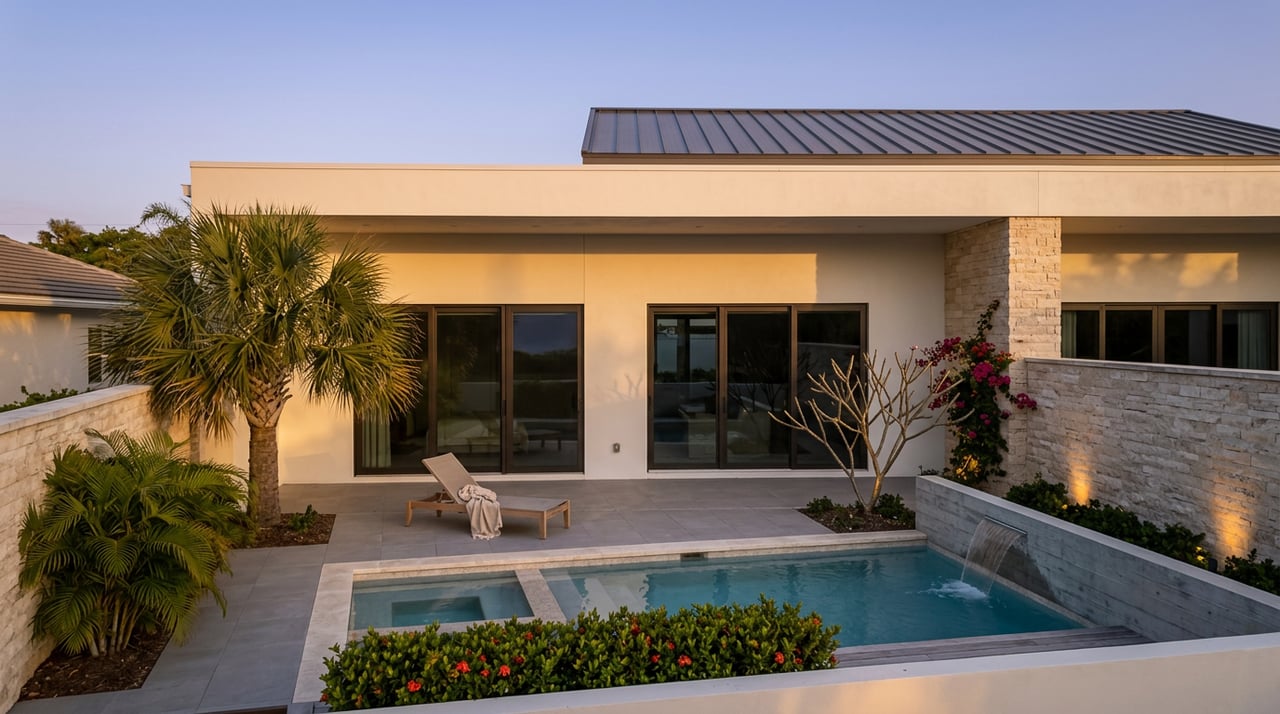
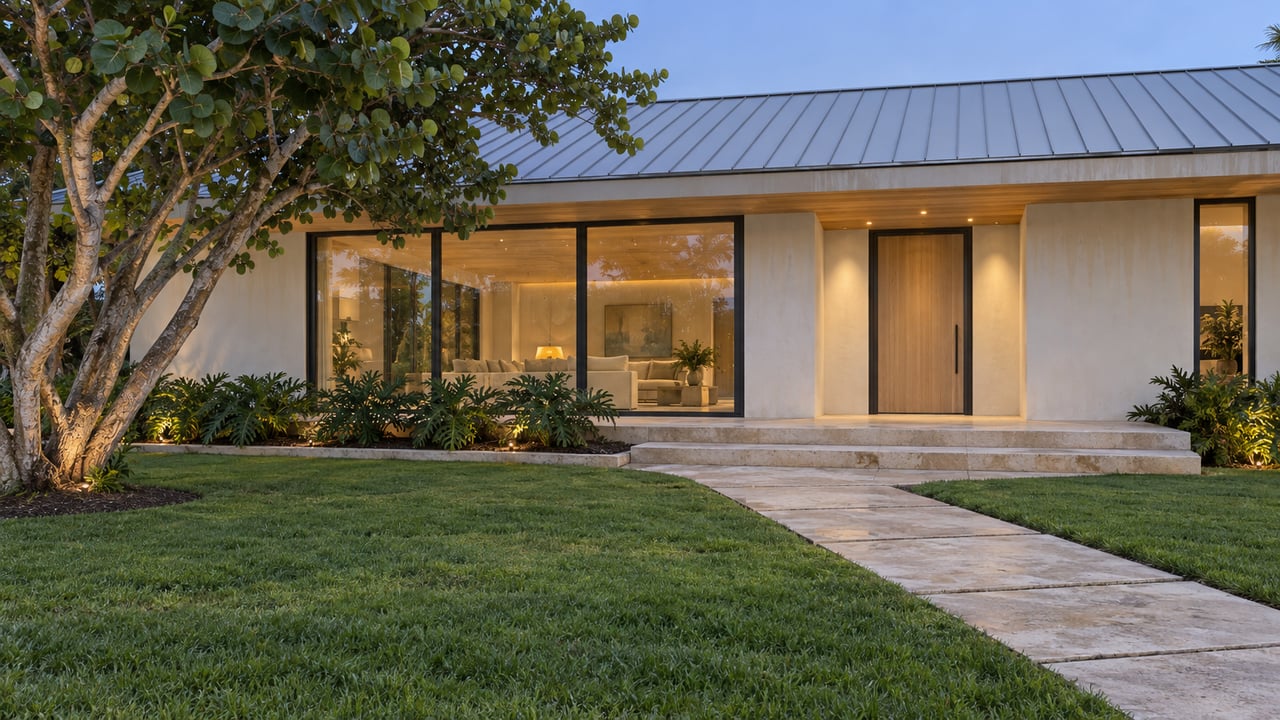
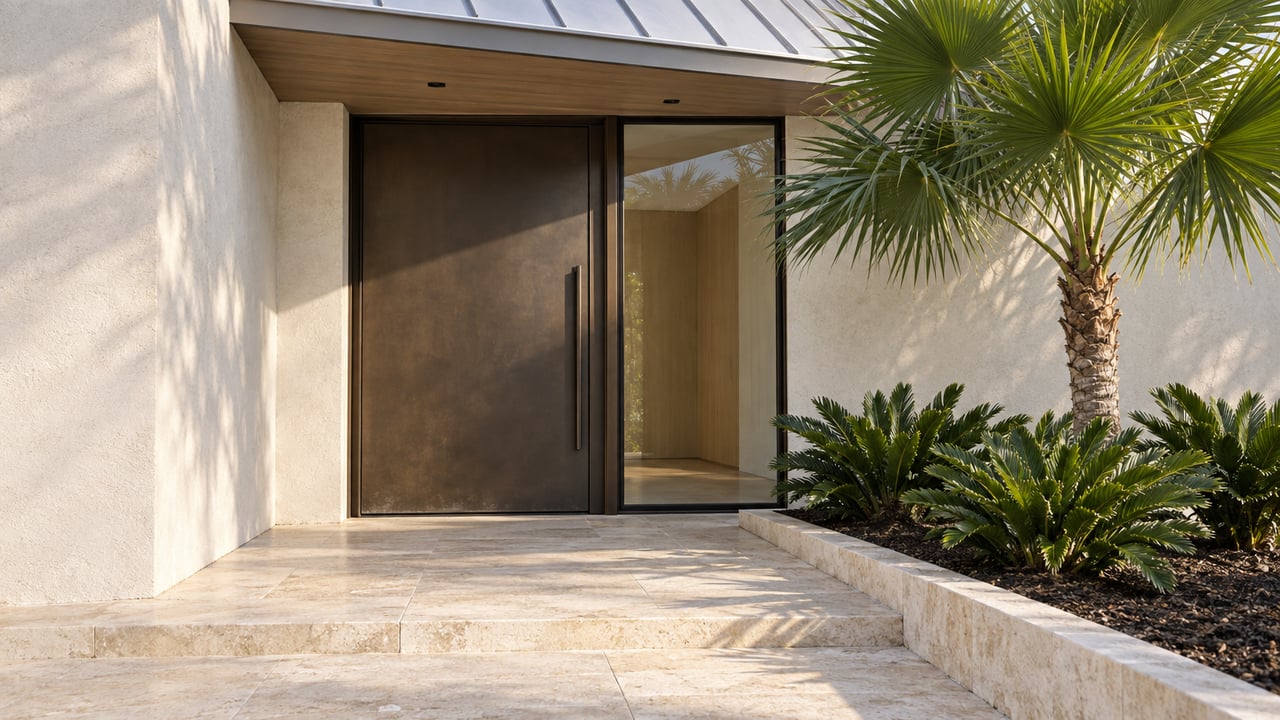
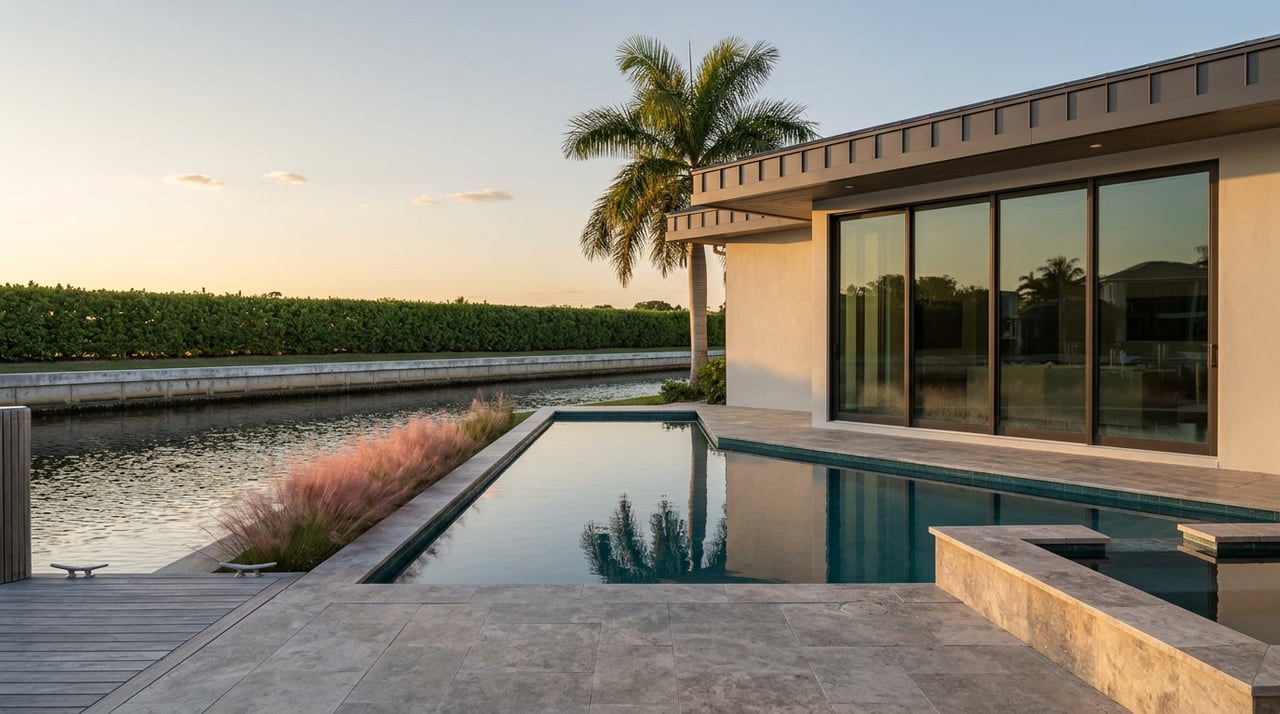
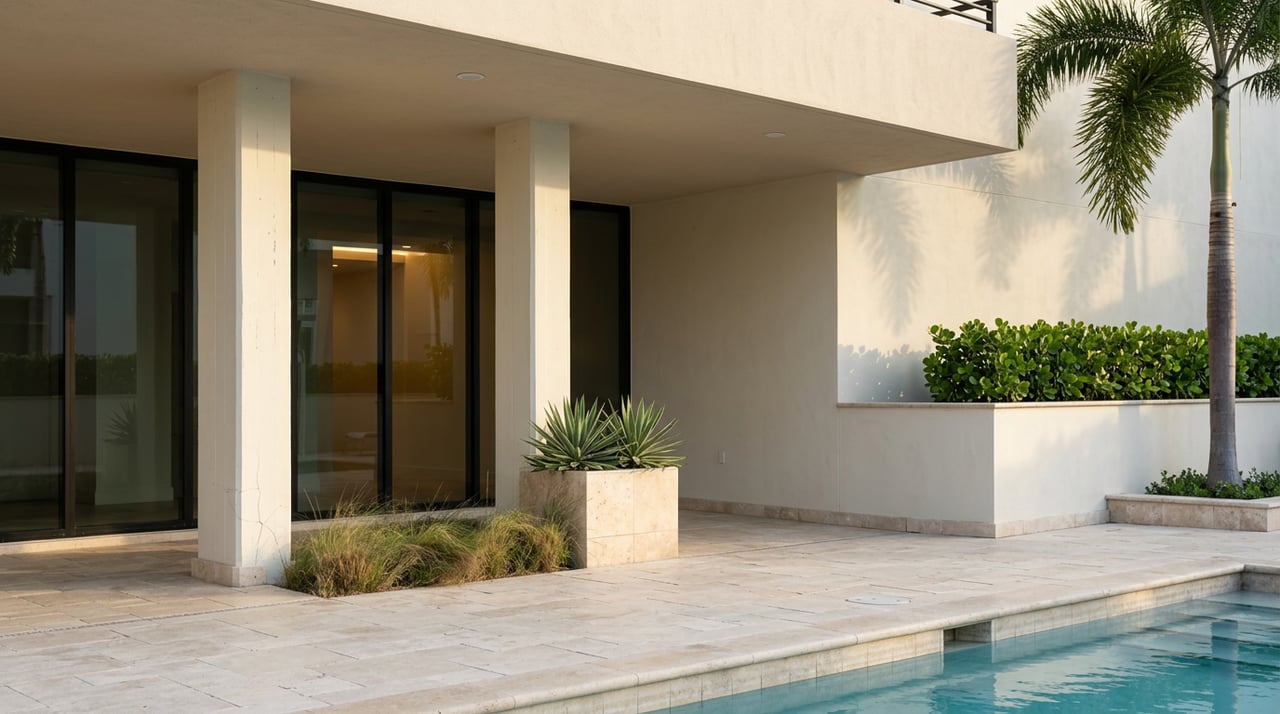
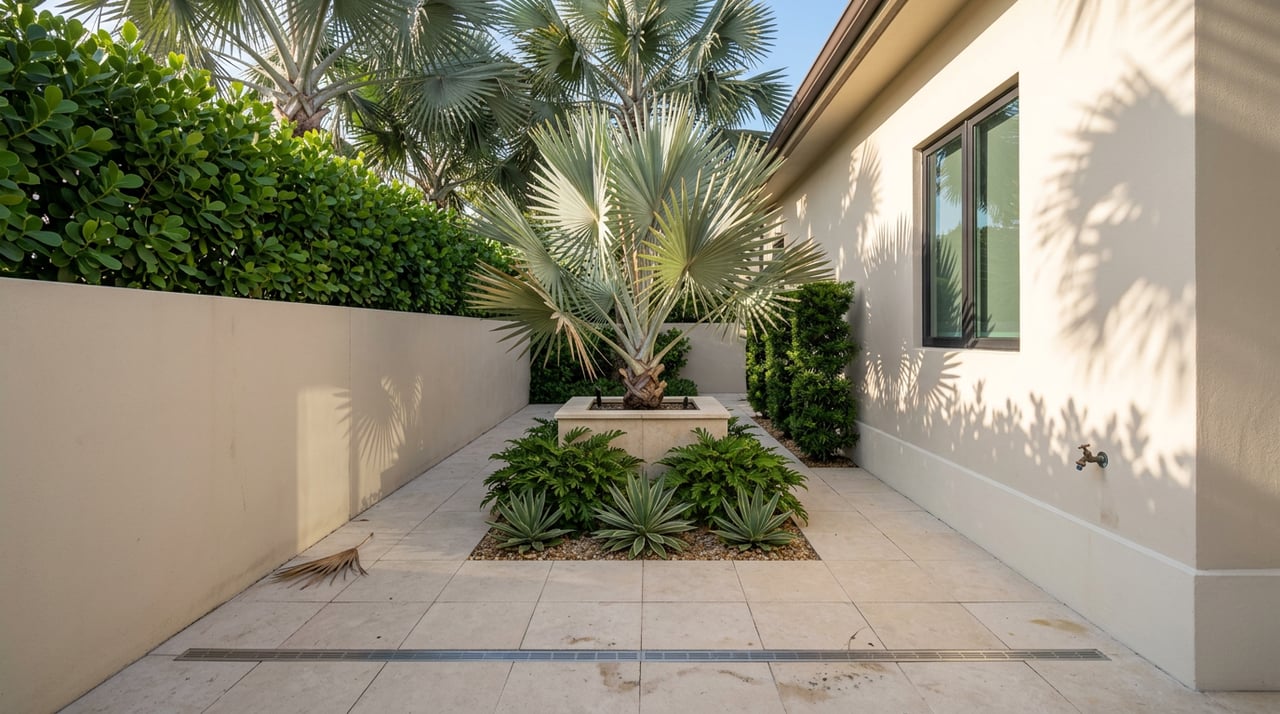
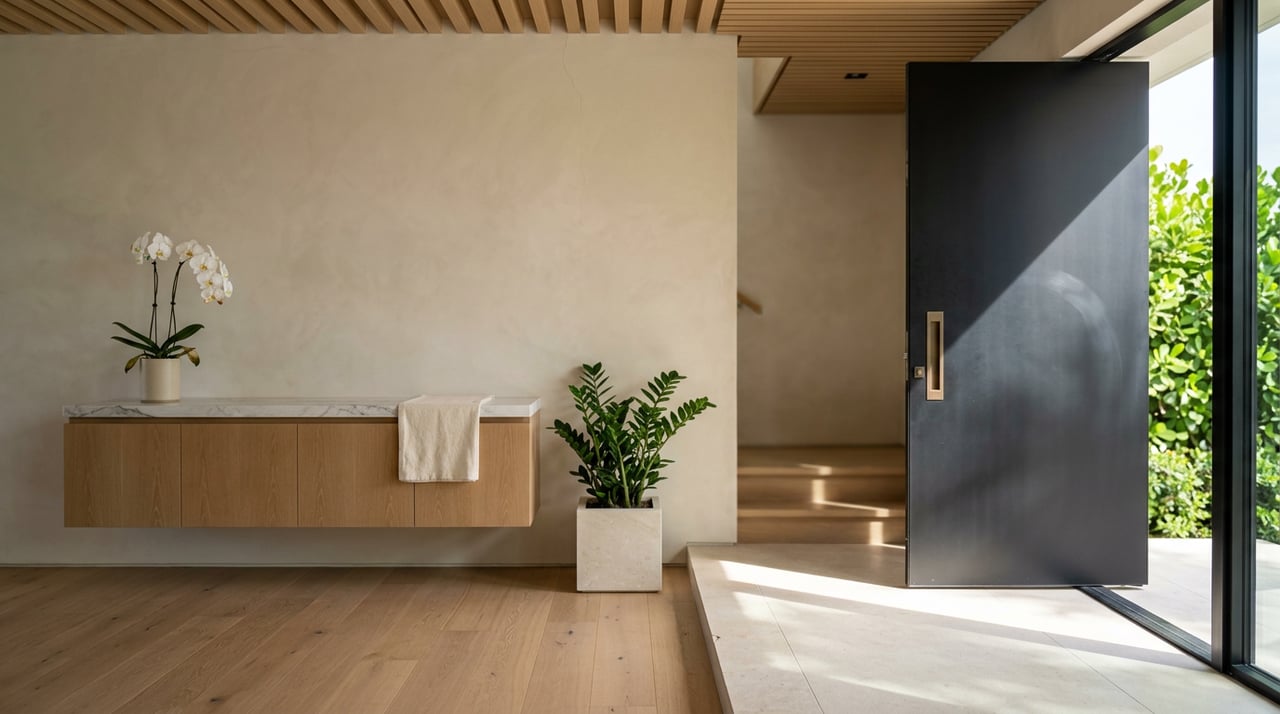
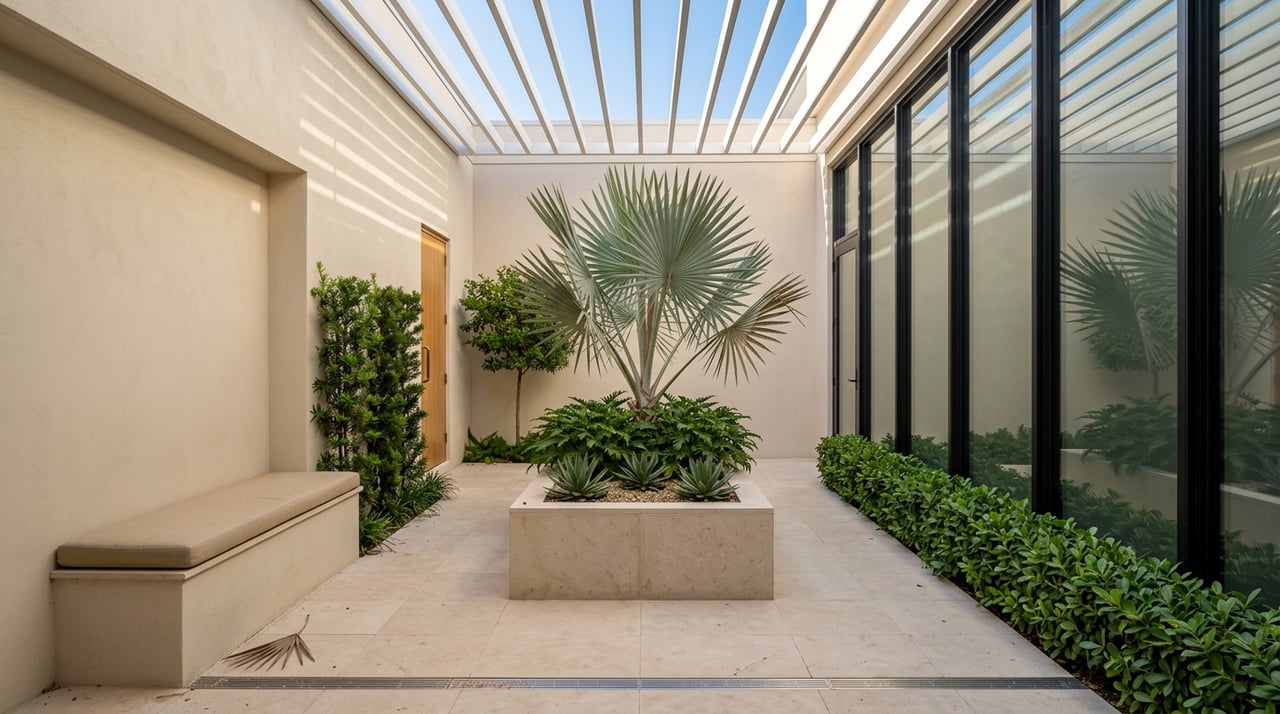
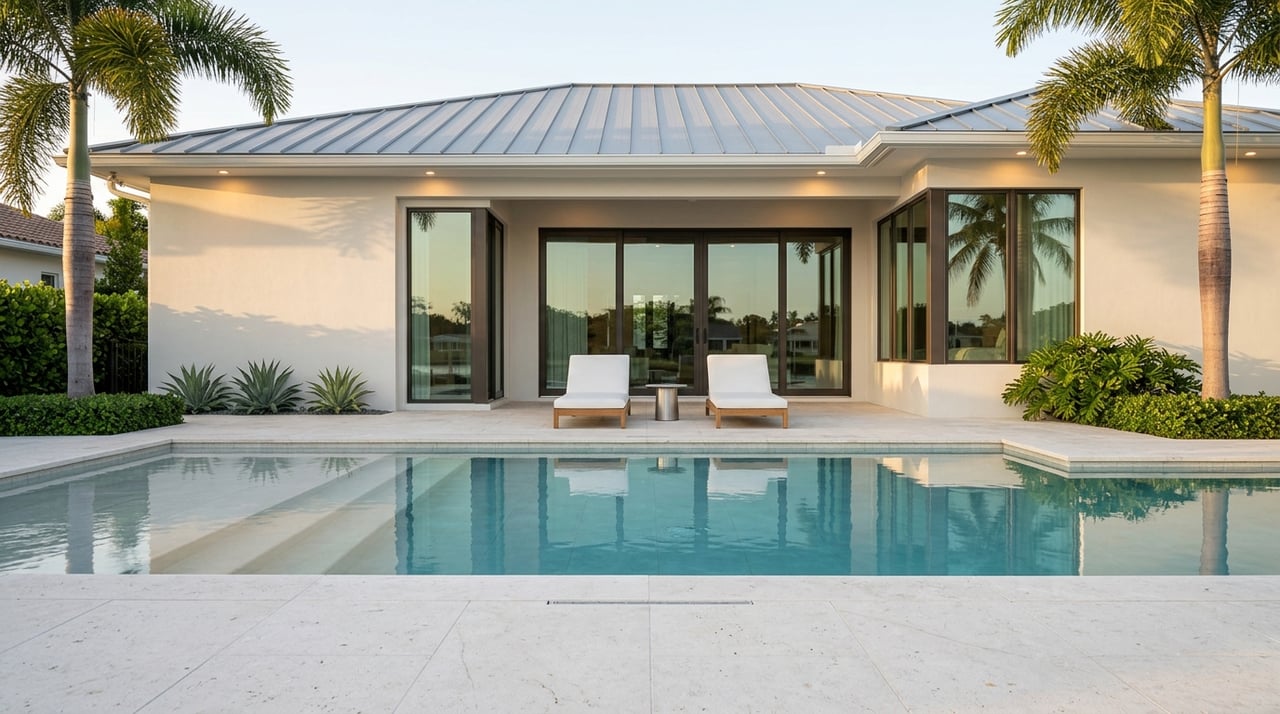
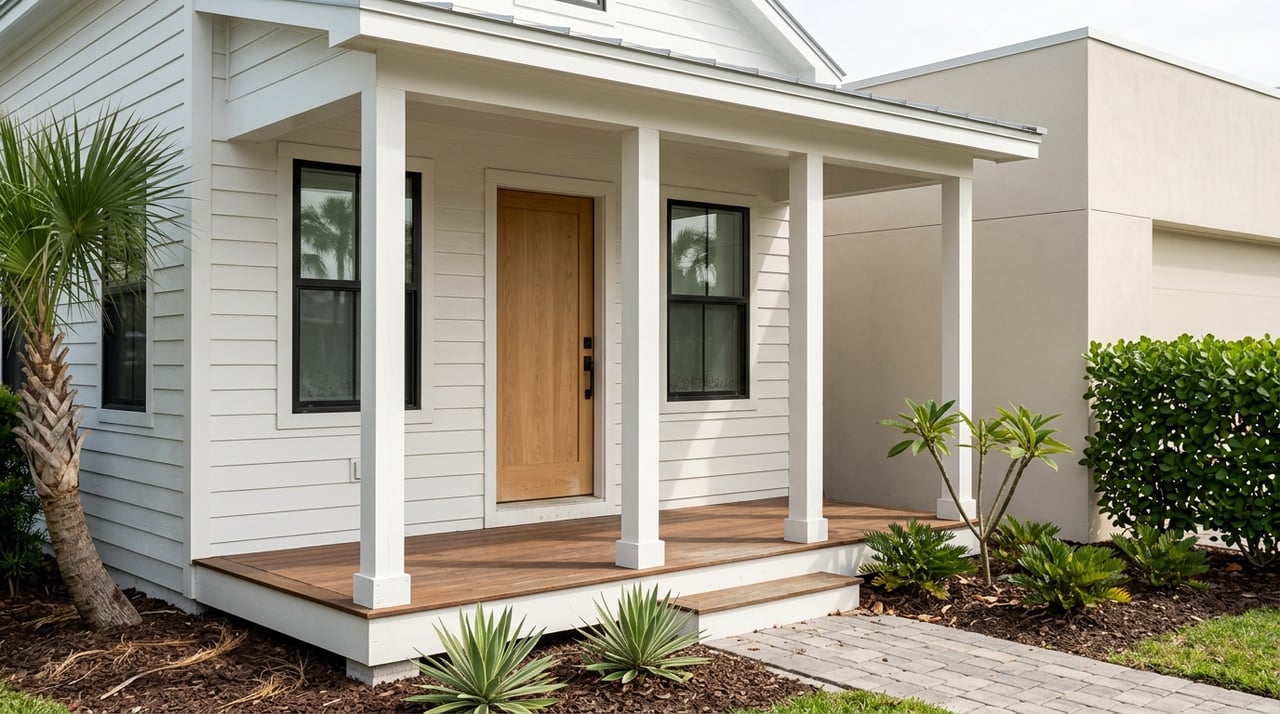
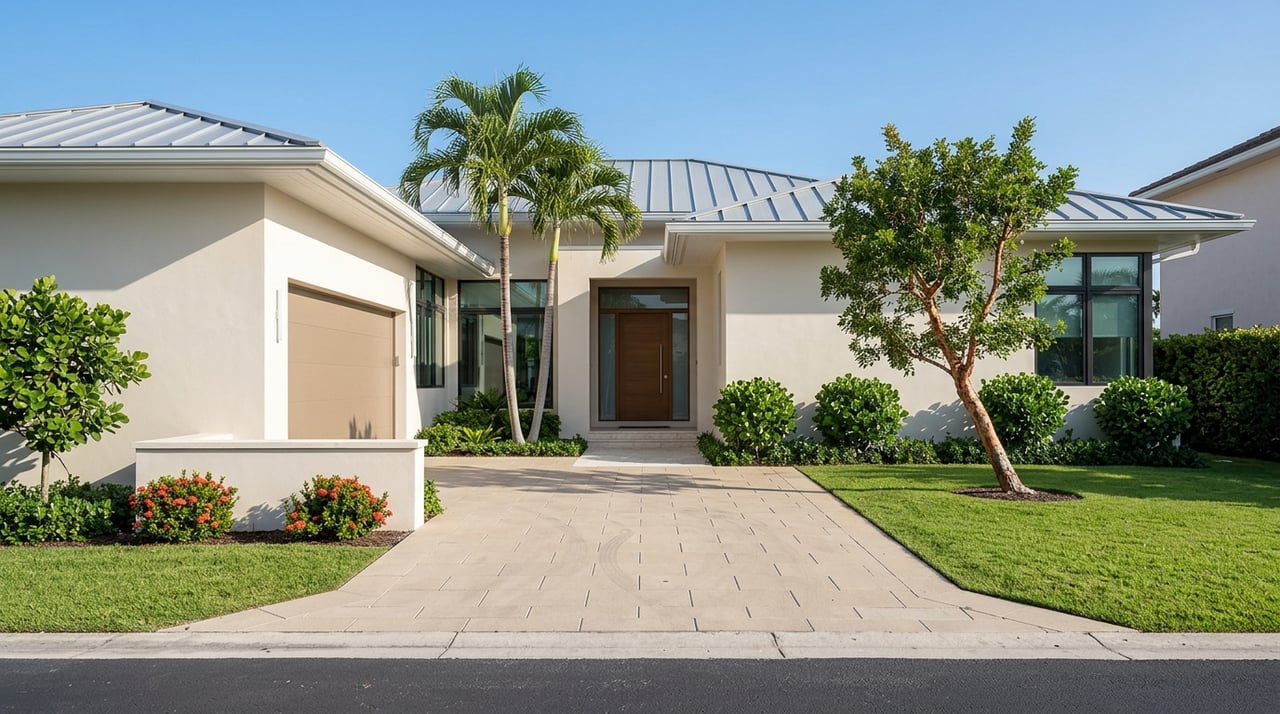
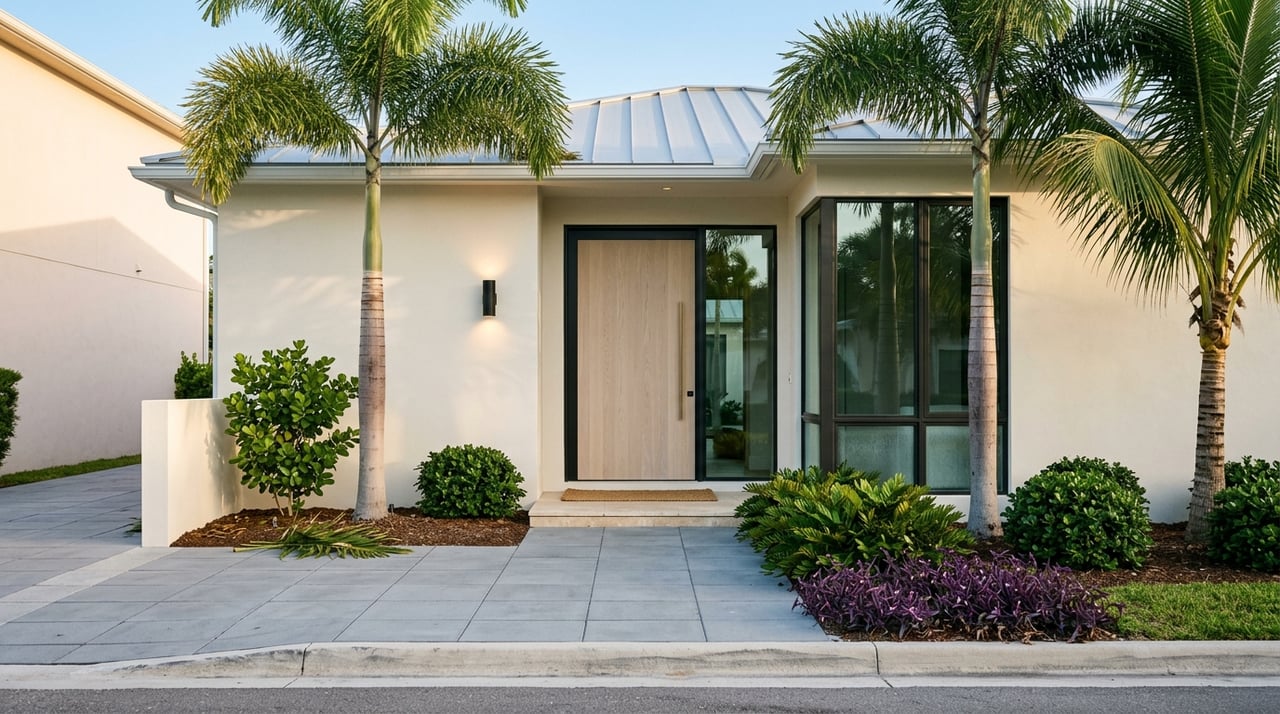
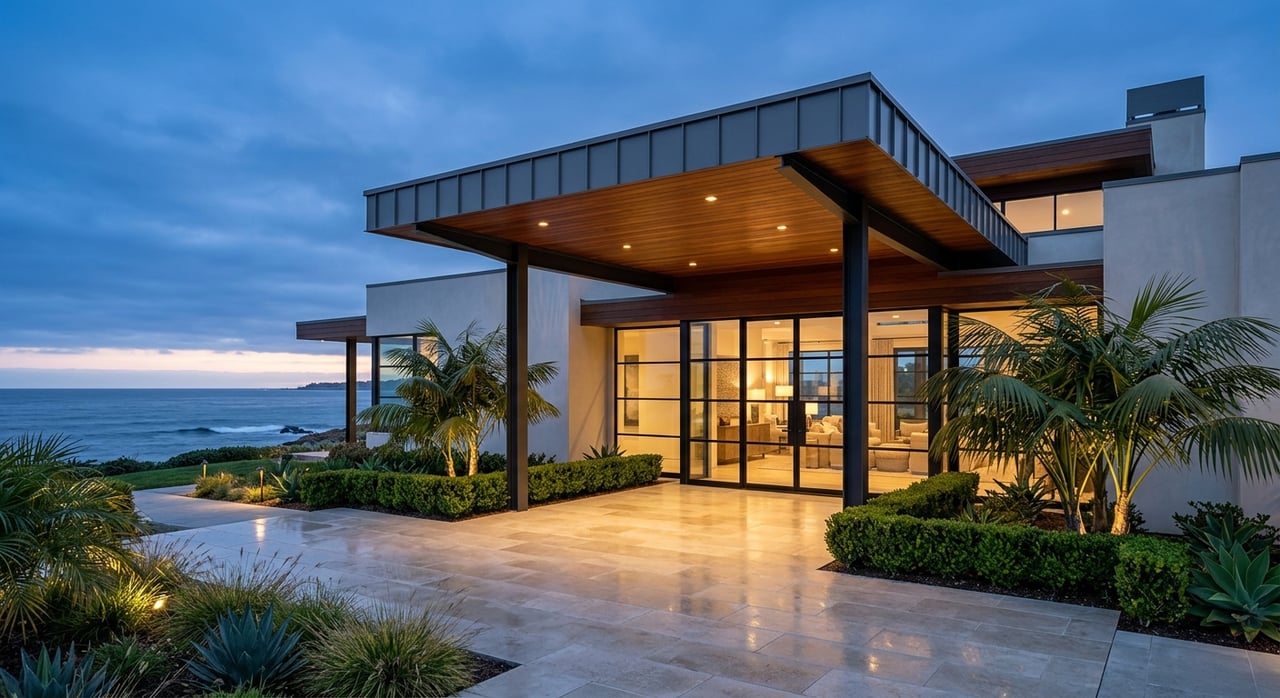
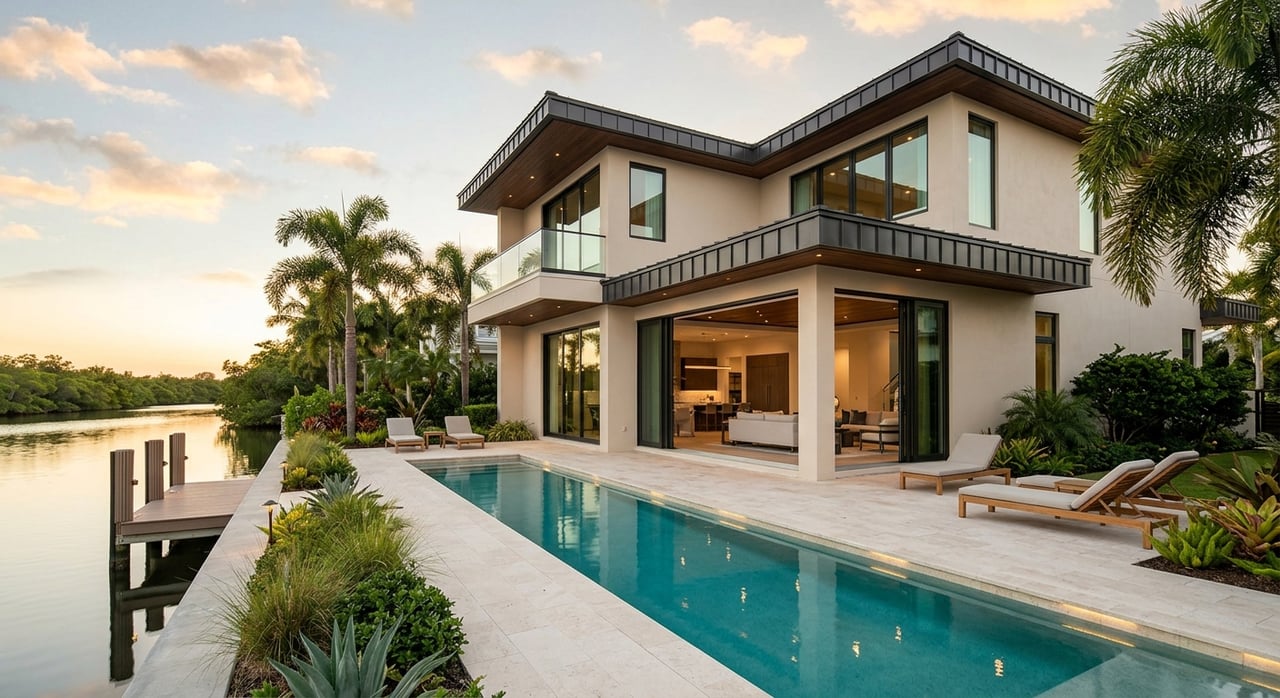
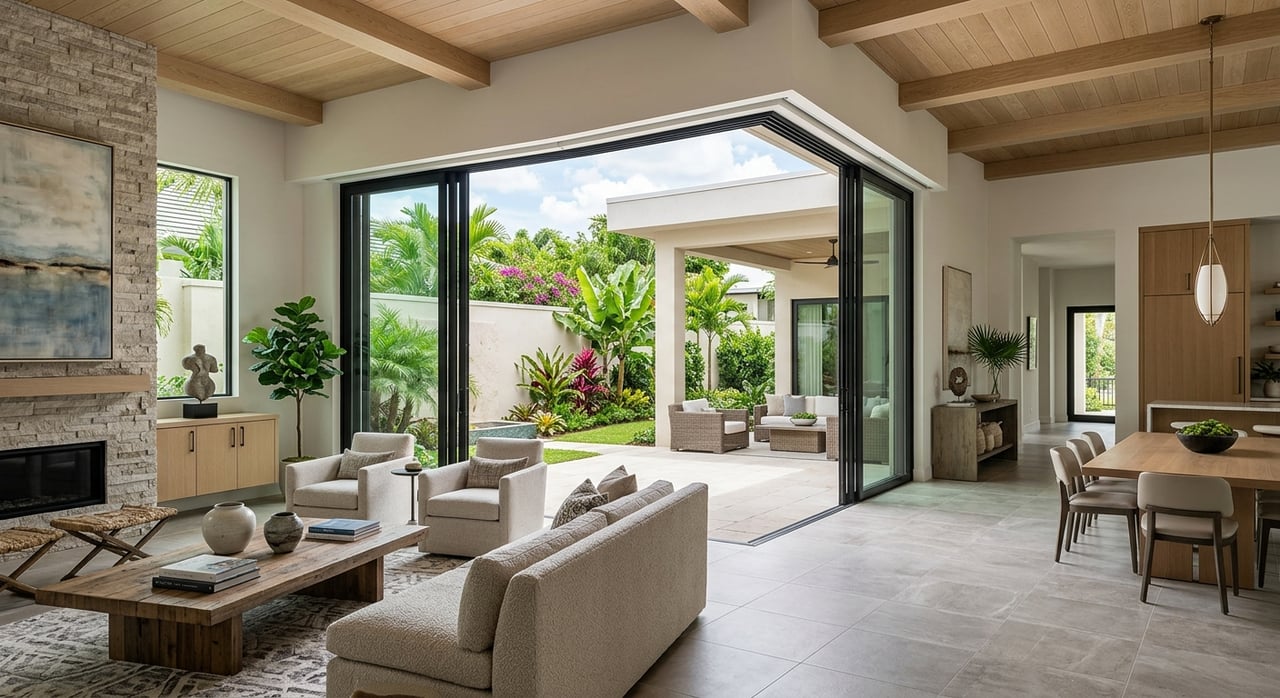
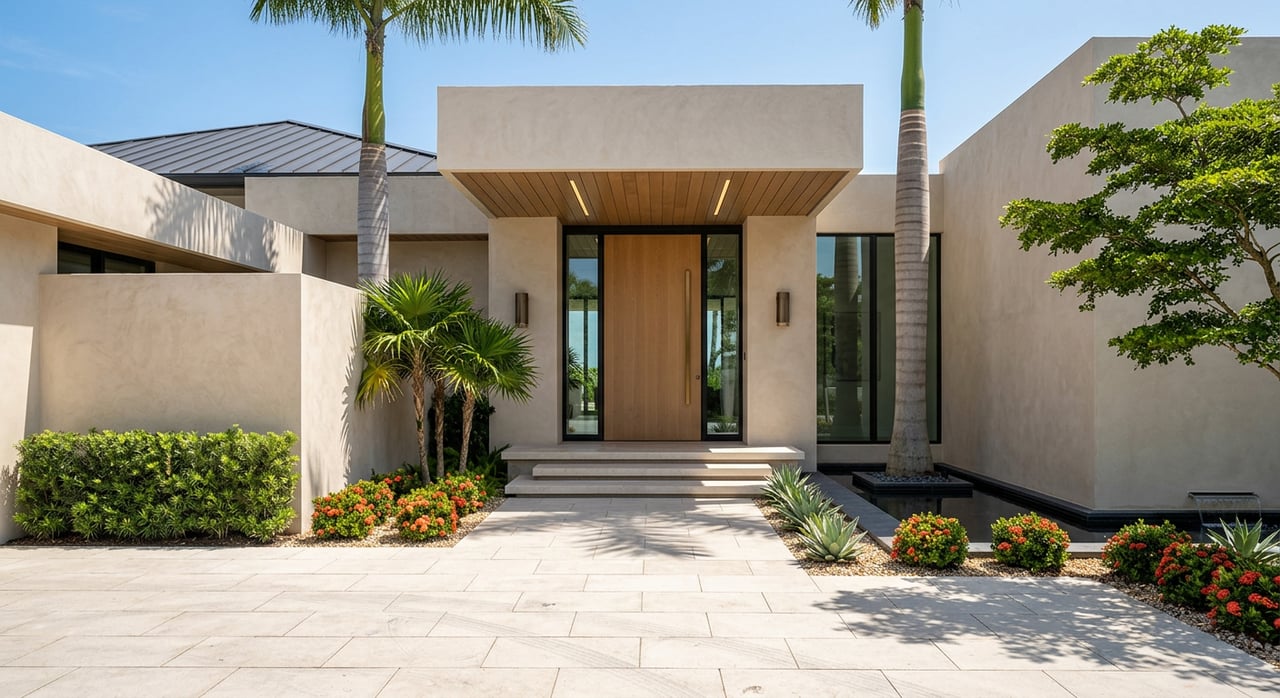
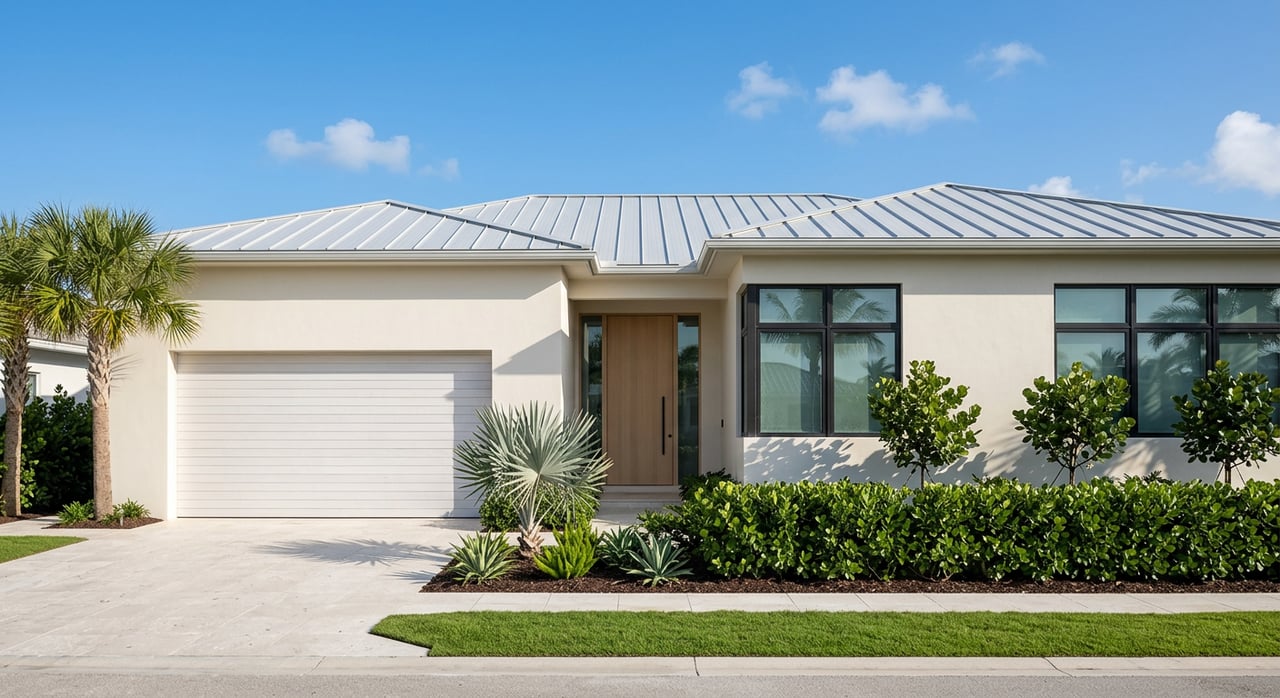
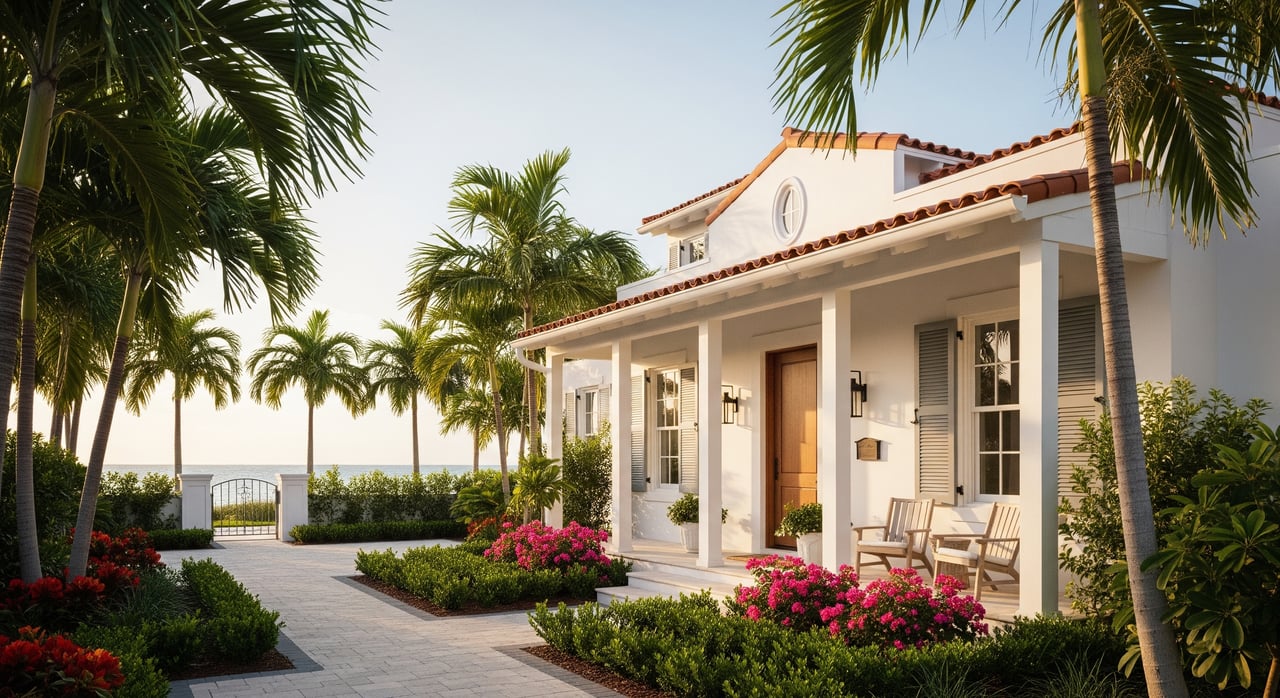
Old Naples offers a mix of property types on a walkable grid. You will see historic beach cottages and bungalows on small lots, many of them renovated. You will also find newer single‑family infill homes with contemporary coastal architecture. On and around the downtown streets, there are boutique low‑rise condominiums and select townhomes. The immediate beachfront blocks are limited and skew to single‑family properties. Vacant lots come up occasionally and often command a premium two or three blocks off the water.
Prices live in the multi‑million‑dollar range, but this micro‑market moves block by block. A rebuilt, design‑forward home near the beach sits in a very different bracket than a smaller cottage east of Third Street South. With few sales in each sub‑pocket, one trophy closing can swing the median. Focus on ranges and street‑level comps rather than any headline number.
Condos and townhomes: lock‑and‑leave ease
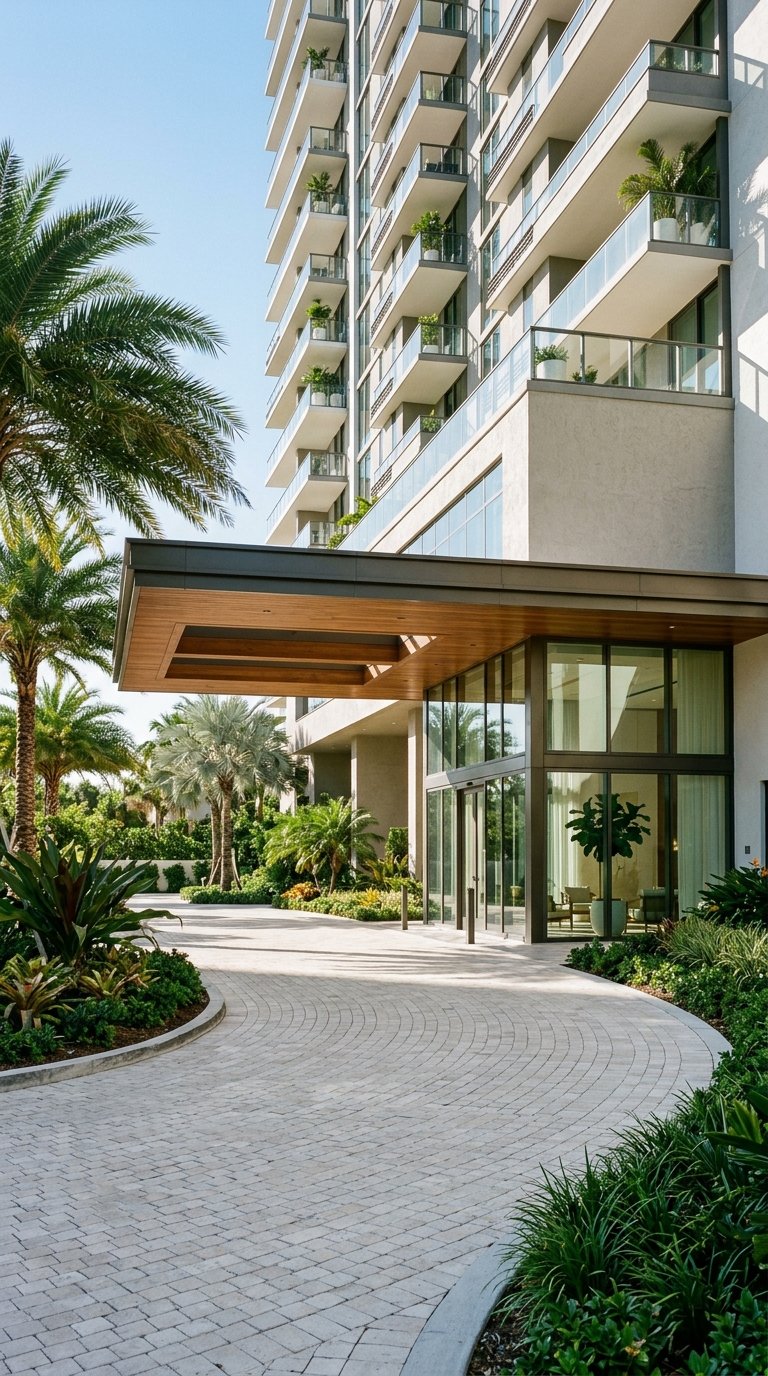
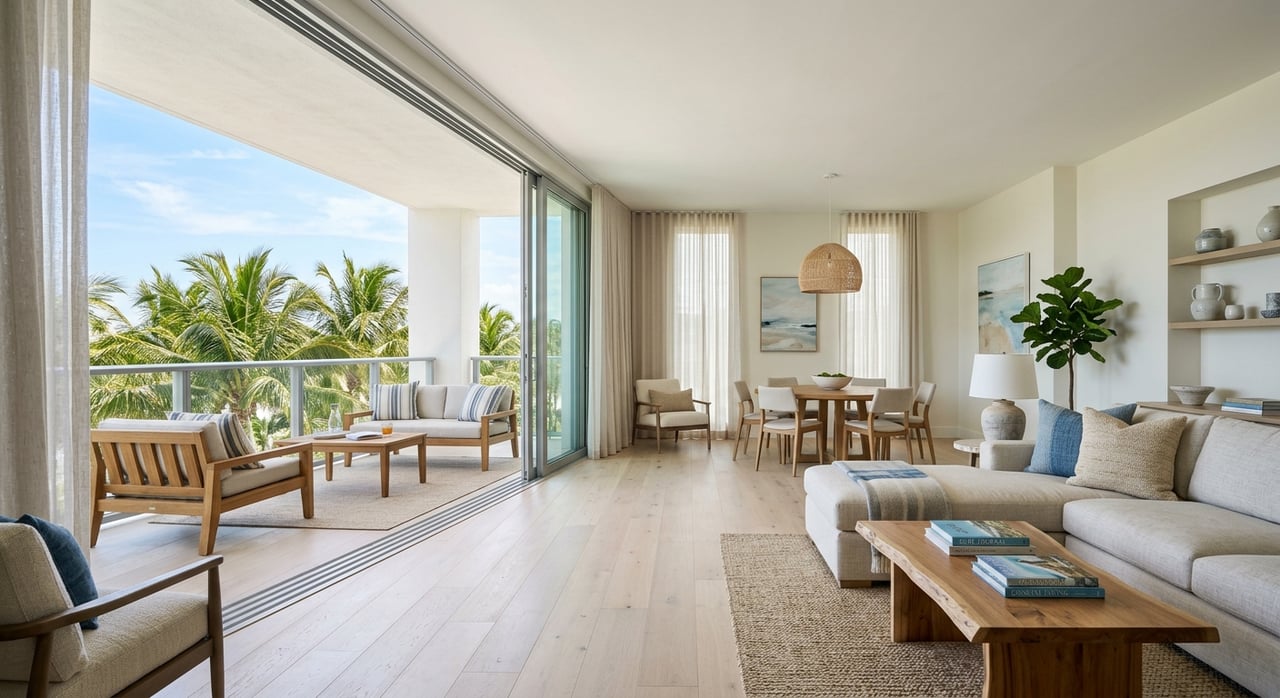
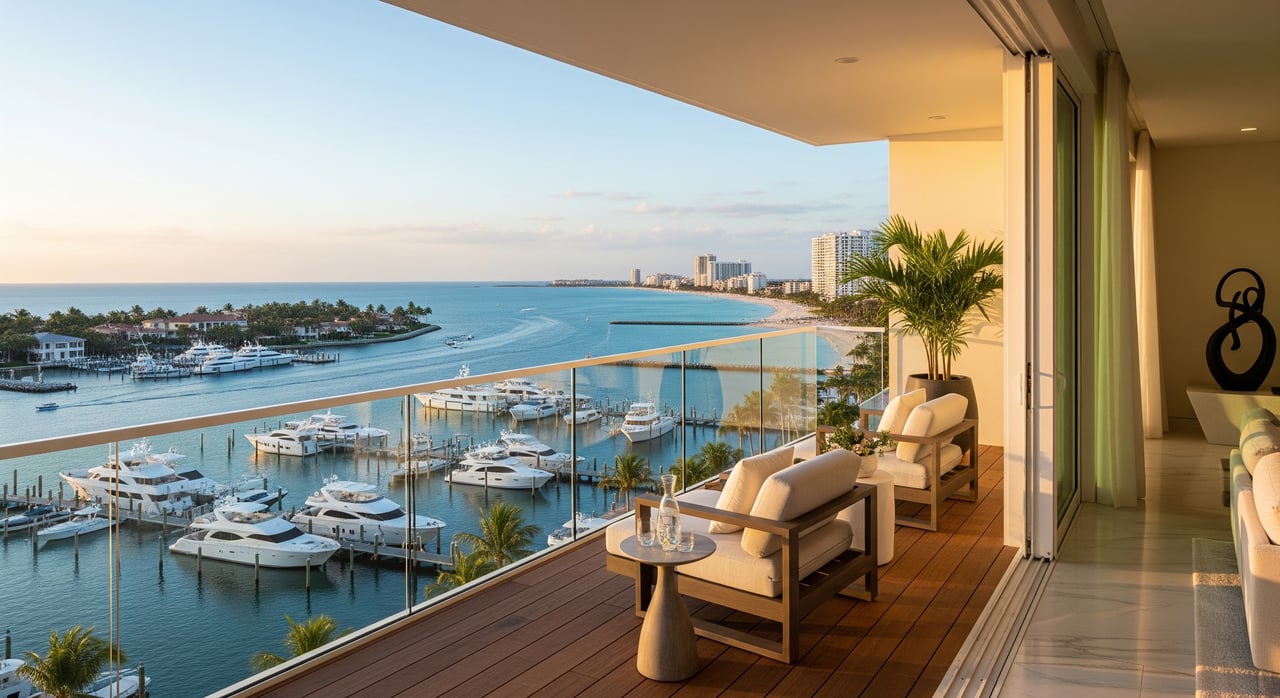
If you value simplicity, a well‑run condominium or townhome can be ideal. Associations typically handle exterior maintenance, landscaping, pool care, and common systems, which makes it easy to arrive, enjoy, and lock the door when you leave. When you tour, confirm on‑site or responsive management, 24/7 contacts, and secure access. Ask about practical details like storage for beach gear and assigned parking, since downtown street parking can be limited near popular sites such as the Naples Pier.
Single‑family homes: space and privacy
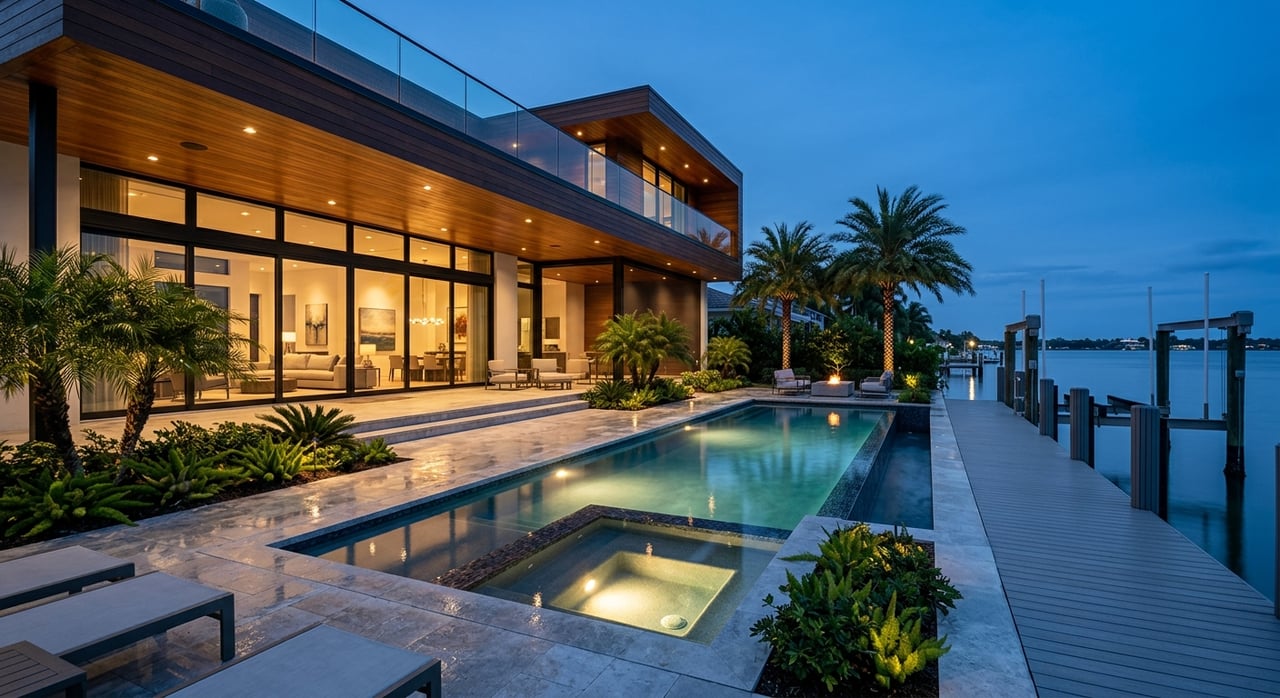
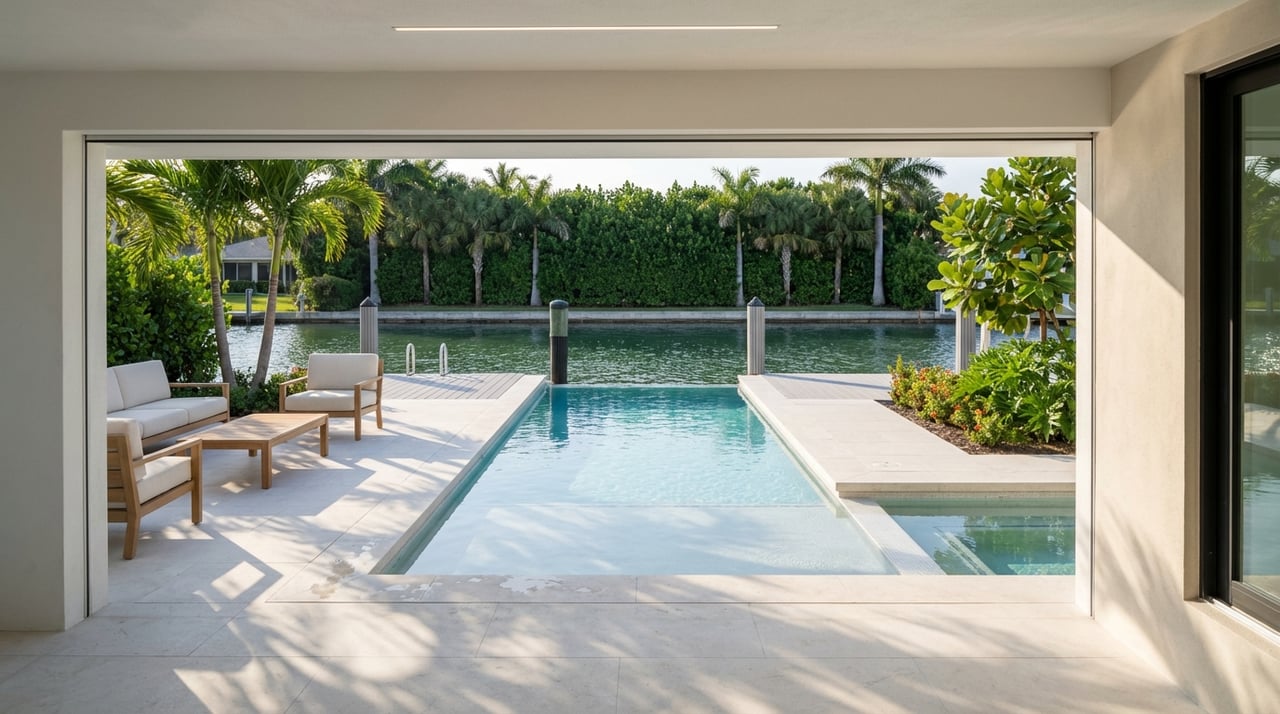
A single‑family home gives you room to host, design flexibility, and privacy. The tradeoff is responsibility. You will coordinate yard and pool service, storm preparation, and ongoing upkeep. Many owners solve this with a local property manager. Insurability, wind‑mitigation features, and roof condition matter more here, so build time into your search to review reports and quotes early.
Know the rental rules before you buy
If you plan to rent seasonally, understand the layers of regulation that apply to downtown addresses.
- City of Naples minimum stays. Inside city limits, the City of Naples requires rental terms of 30 days or longer. Owners may rent for under 30 days up to three times per calendar year, and properties may not be advertised for stays shorter than 30 days. Review the city’s guidance in the City of Naples FAQs. Confirm that the specific property is inside city boundaries before forming a rental strategy.
- Collier County registration outside the city. In unincorporated Collier County, short‑term rentals require county registration and a local business tax. This county program does not apply inside the City of Naples. For a quick overview, see the NABOR local ordinances summary.
- State licensing. Under Florida law, if you rent more than three times per year for periods under 30 days, or advertise frequent short stays, you may need a state license through the DBPR. Review the Florida DBPR vacation rental guide and confirm tax collection obligations.
- Association rules. Many buildings and HOAs layer stricter rental minimums or seasonal windows on top of city rules. Always review the condo declarations, recent meeting minutes, and rental ledgers for clarity.
Bottom line: Old Naples is excellent for personal use and longer seasonal rentals, but weekly vacation‑rental models are usually not a fit inside city limits.
Seasonality and timing your purchase
Naples hums in winter. Visitor and seasonal resident demand peaks from roughly January through March, with many events and social calendars running November through April. That is when restaurants stay open later, galleries are active, and rental rates reach their highs. Summer and early fall are quieter, which can offer negotiation leverage and easier access to contractors or renovations between seasons.
If you are planning a trial stay, reserve early for peak months. If you are buying, align inspection and closing schedules with your preferred move‑in window and factor in any association approval timing.
Hurricane, flood and insurance essentials
You will want a clear plan for storms and insurability. The Atlantic hurricane season runs June 1 through November 30, with peak activity in late summer. The National Hurricane Center maintains a helpful seasonal overview.
Flood exposure varies street by street in Old Naples. Collier County participates in the NFIP, and many addresses sit in mapped coastal flood zones. Lenders require flood insurance when a property is in a Special Flood Hazard Area. Under FEMA’s Risk Rating 2.0, premiums depend on property‑specific risk, including elevation, distance to the Gulf, and construction features. Start early by pulling any existing elevation certificate and obtaining quotes. Collier County’s Floodplain Management page outlines local resources and basics.
Florida’s homeowner and wind insurance market has been volatile in recent years. Expect to gather multiple quotes, weigh mitigation upgrades like impact glass and roof straps, and review deductibles for named storms. You can follow market context through coverage such as this WUSF report on Citizens’ rate actions. Work with an experienced local insurance broker to test options for your property type.
Old Naples vs. nearby luxury areas
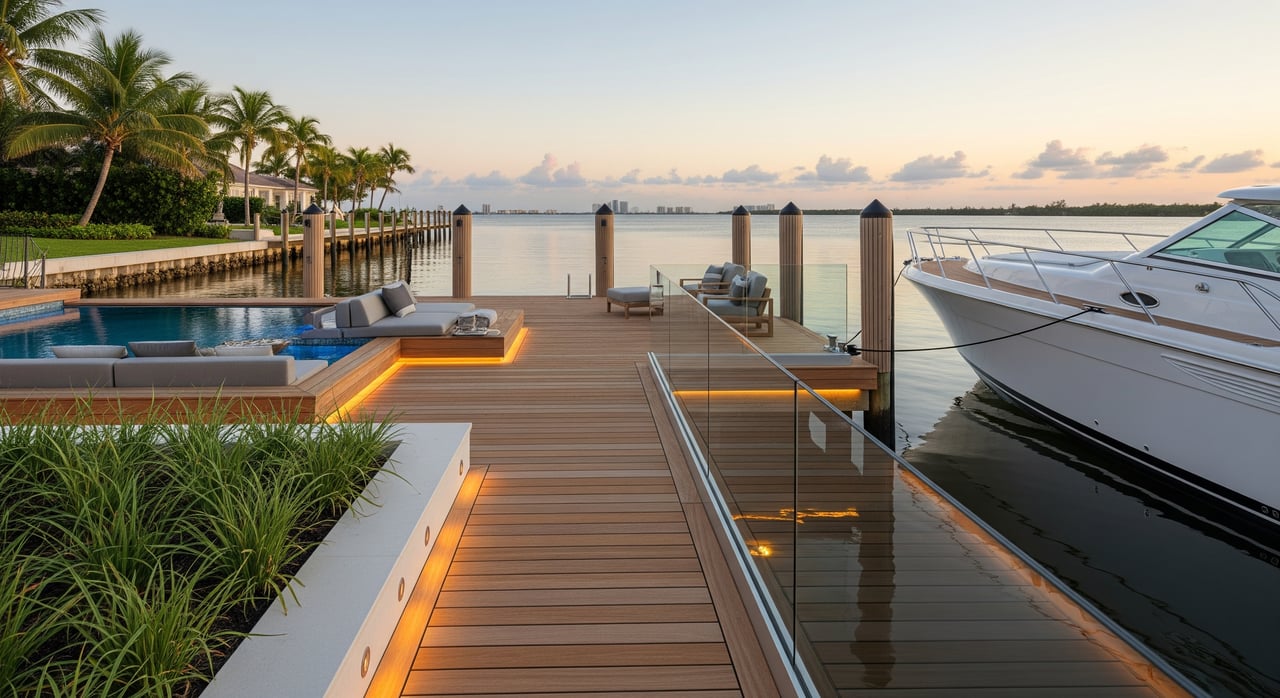
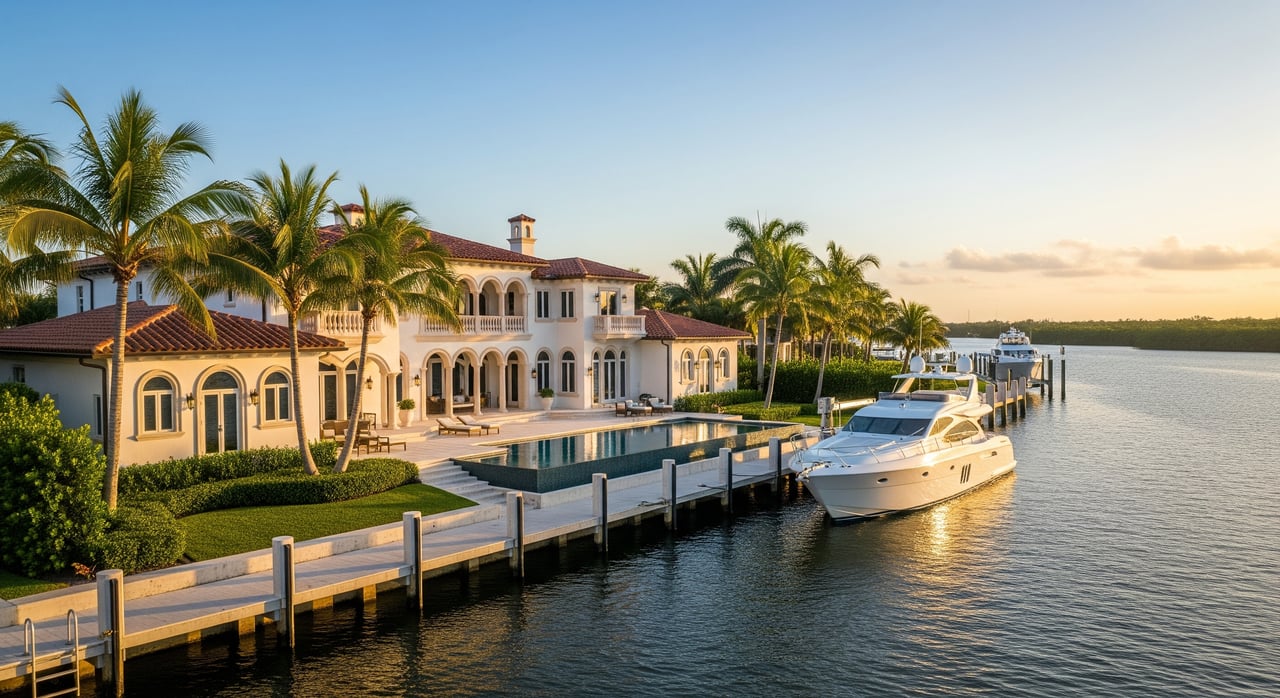
- Port Royal. If you prioritize yacht‑scale docks, estate privacy, and long waterfront views, Port Royal is the pinnacle. It trades walkability for land and water frontage at the highest level.
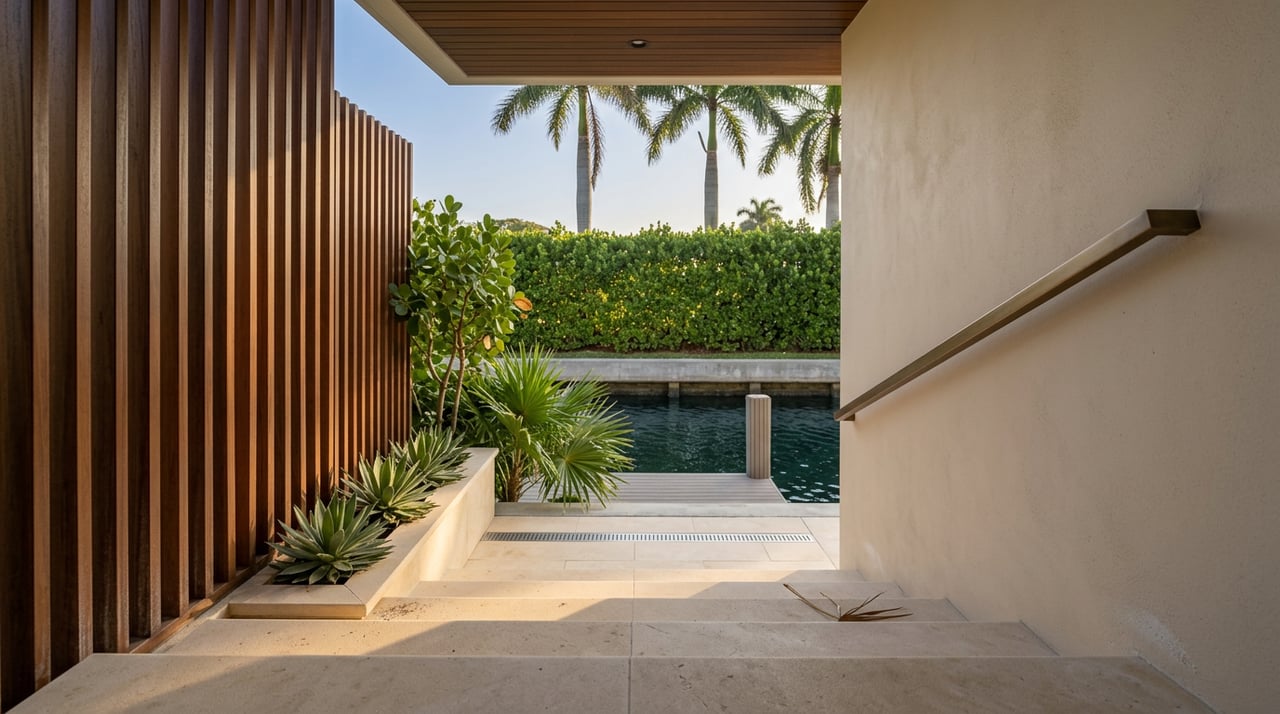
- Aqualane Shores. For boaters who also want access to downtown, Aqualane’s deep‑water canals and proximity to Third Street South are compelling.
- Pelican Bay. If private beach clubs, resort‑style amenities, and a broader mix of condos and villas appeal, Pelican Bay delivers a full lifestyle program with tram access to the beach.
Each area serves a different goal. If your priority is to walk to dinner and the beach, Old Naples remains unmatched.
A simple due‑diligence checklist
Use this list to focus your search:
- Confirm whether the address is inside the City of Naples or in unincorporated Collier County, since rental rules differ. The NABOR ordinances summary is a helpful starting point.
- Pull hyper‑local comps for the exact block and property type. Micro‑markets move independently from city medians.
- For condos or HOAs, request governing documents, rental policies, reserve studies, meeting minutes, and special assessment history.
- Ask for insurance details, wind‑mitigation reports, roof age, and any elevation certificate. These affect premiums and insurability.
- If you plan to rent, confirm city rules, association restrictions, and state licensing needs through the City of Naples FAQs and the Florida DBPR guide.
- Verify walkability to the beach, Fifth Avenue South, Third Street South, and the Naples Pier. Note seasonal business hours in peak months.
Next steps
Choosing well in Old Naples comes down to lifestyle fit, property type, and smart due diligence. A refined condo one block from Fifth Avenue South solves for ease and access. A rebuilt coastal home near the beach gives you privacy and room to gather. In every case, it pays to have a local advisor who knows the streets, the associations, and the rhythms of the market season by season.
If you would like tailored guidance, private previews, or discreet access to on‑ and off‑market opportunities, connect with Karen Van Arsdale. You will get neighborhood‑level advice, curated options that match how you live, and a white‑glove path from first tour to closing.
FAQs
What makes Old Naples ideal for a second home?
- Walkability, immediate beach access, a lively dining and arts scene in season, and a compact grid that supports easy long weekends.
Can you rent your Old Naples property weekly?
- Inside city limits, rentals must be 30 days or longer, with up to three sub‑30‑day stays allowed per year, and homes cannot be advertised for shorter terms. See the City FAQs.
Are condos better for lock‑and‑leave living in Old Naples?
- Often yes. Associations handle exterior maintenance and common systems, while you focus on interiors and enjoyment. Review management quality, reserves, parking, storage, and rental policies.
Do you need flood insurance in Old Naples?
- If your property is in a Special Flood Hazard Area, lenders require flood insurance. Premiums depend on elevation and other risk factors. Check Collier County’s Floodplain Management.
When is the best time to visit and shop for a home?
- Winter offers the full lifestyle experience and highest activity, while summer and early fall are quieter and may offer more negotiation room with sellers.
How does Old Naples compare to Port Royal, Aqualane Shores, and Pelican Bay?
- Old Naples leads on walkability and downtown access. Port Royal focuses on estate‑scale waterfront, Aqualane Shores on boating with downtown proximity, and Pelican Bay on resort‑style amenities and private beach clubs.