Choosing between Moorings and Park Shore often comes down to how you want to live near the water. You might be picturing quiet mornings on a private beach path, or an active routine that pairs marina access with dinner by the bay. In this guide, you’ll compare condo lifestyles, amenities, and due diligence steps so you can buy with clarity. Let’s dive in.
Quick neighborhood snapshot
Where they sit in Naples
Moorings and Park Shore sit along the central Naples shoreline, close to downtown dining, shopping, and cultural venues. Both run along Gulf Shore Boulevard, making it easy to reach 5th Avenue South and the Naples Pier area by a short drive. Park Shore is generally larger and denser, while Moorings, just to the south, has pockets that feel more residential with lower overall density.
Feel and everyday pace
Park Shore concentrates activity around its waterfront retail and dining, especially near Venetian Village. Many buildings lean toward full-service living, which suits an effortless second-home lifestyle. Moorings often feels calmer, with landscaped streets, smaller condo clusters, and private beach access points that favor a relaxed residential rhythm.
Walkability and access
Walkability varies building to building. Park Shore’s clusters near Venetian Village place you within a short walk of bayfront restaurants and shops, while many Moorings buildings prioritize private beachfront access and quieter streets. In both areas, you can reach downtown amenities quickly by car.
Beach and water access
How beach access works
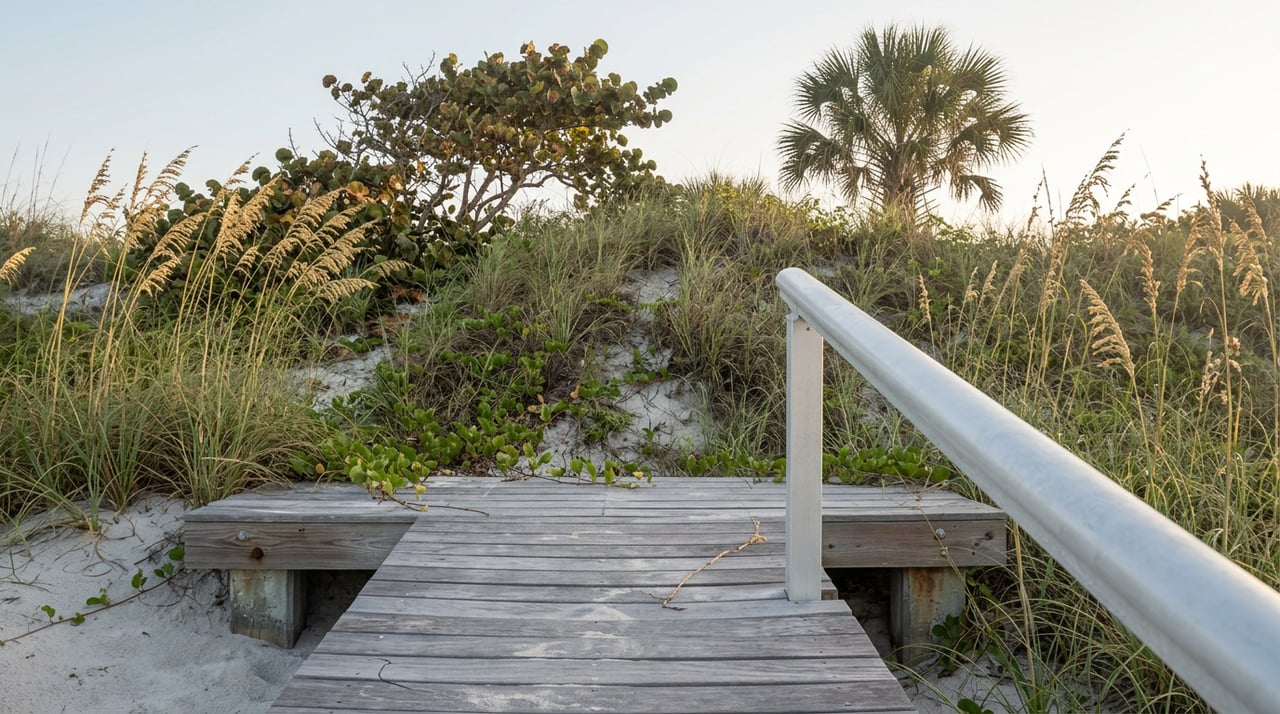
You will find a mix of public beach access points in the area and private or semi-private beach paths operated by condo associations. Some buildings include deeded or permitted private access for residents. Confirm in writing whether a specific unit’s deed or association membership provides beach access, and review the use rules.
Gulf-front vs bay or canal views
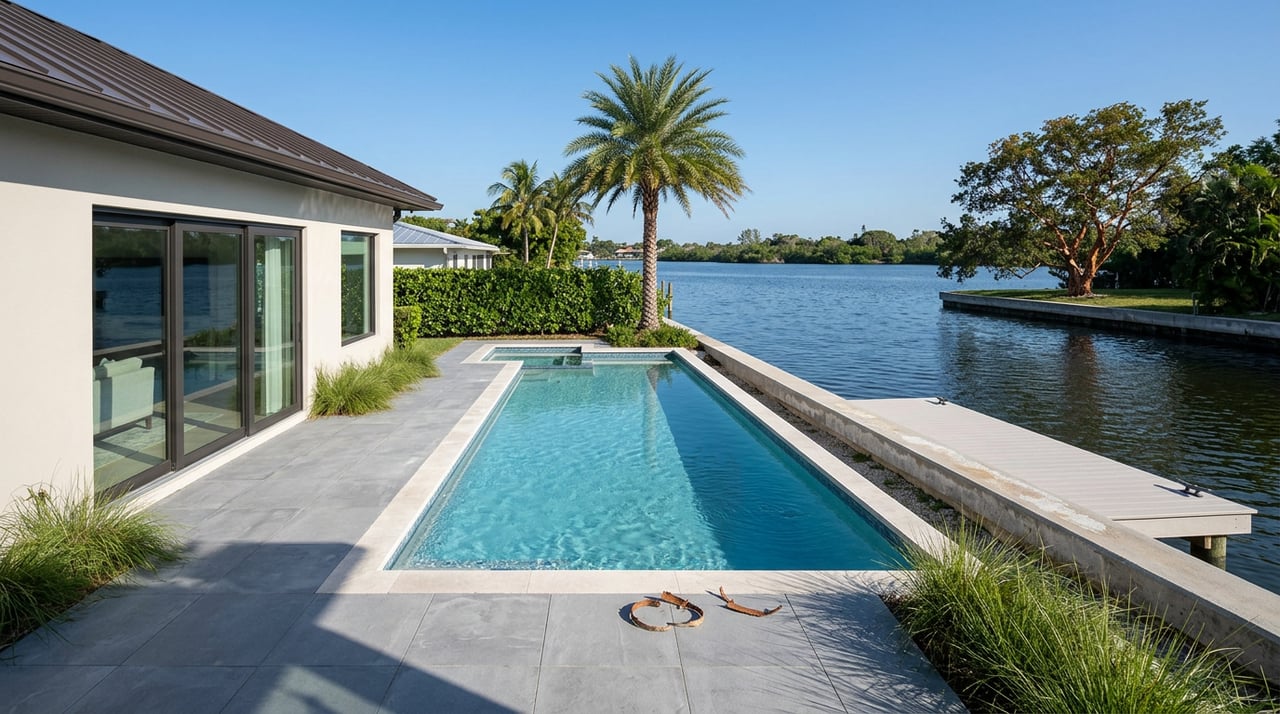
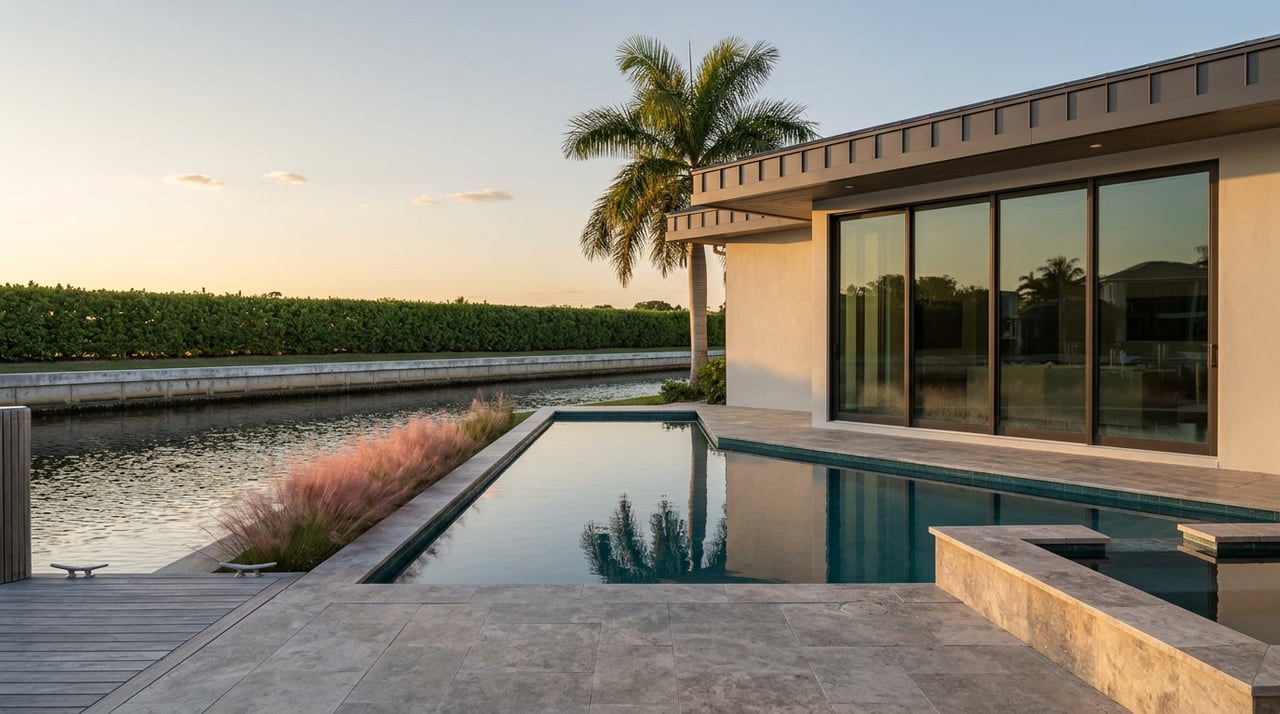
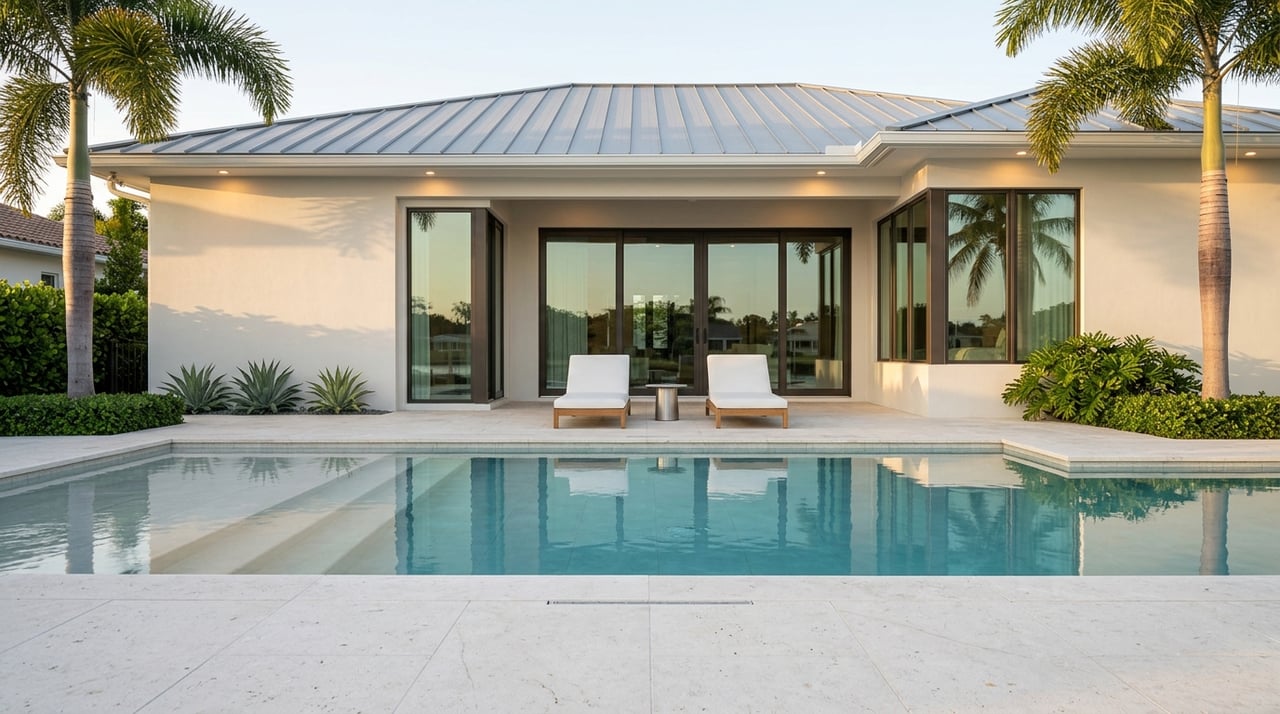
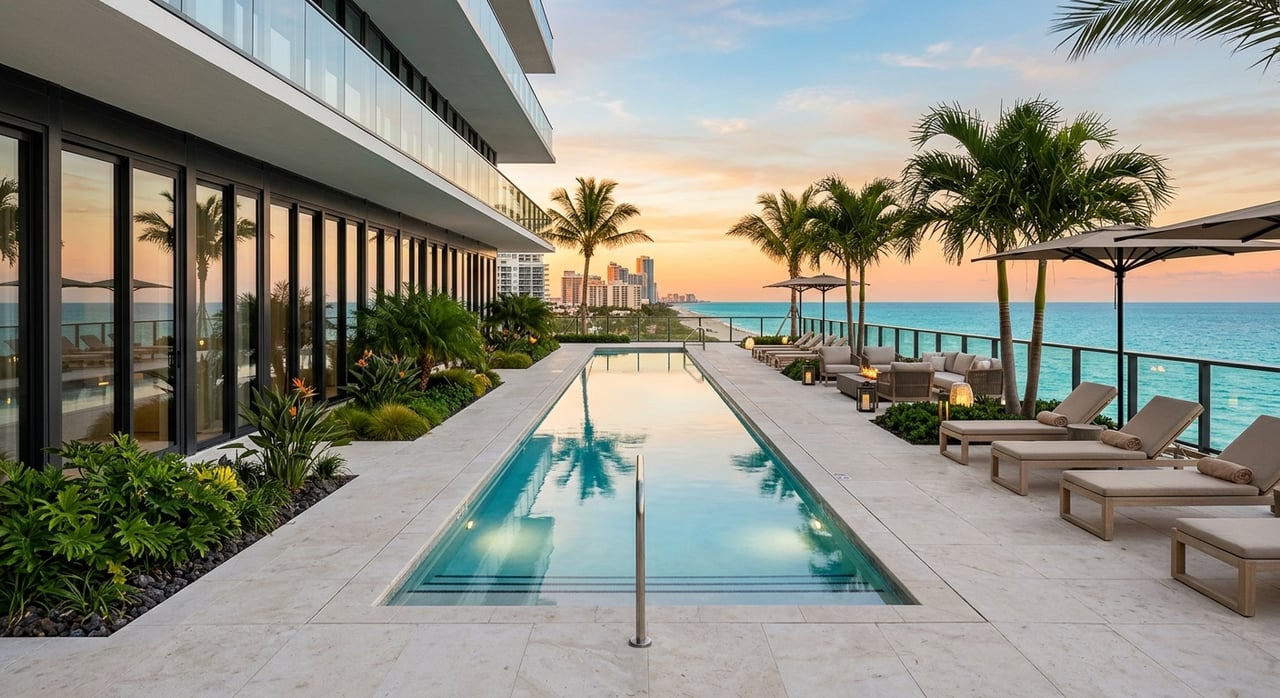
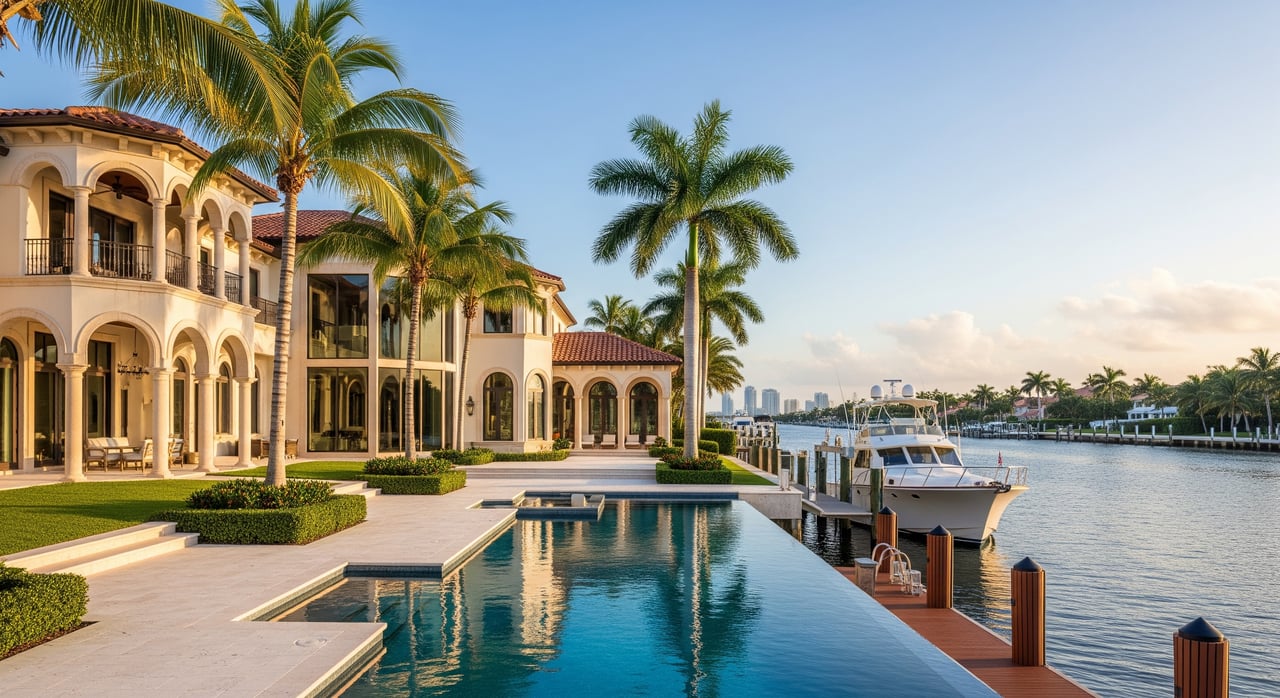
Condos typically face one of three orientations. Gulf-front units sit on the sand with open-water views and sunset vistas. Bay or canal-front buildings look over waterways, sometimes with docks for boaters, while interior locations trade water panoramas for landscaped or street views.
Boating setup and marinas
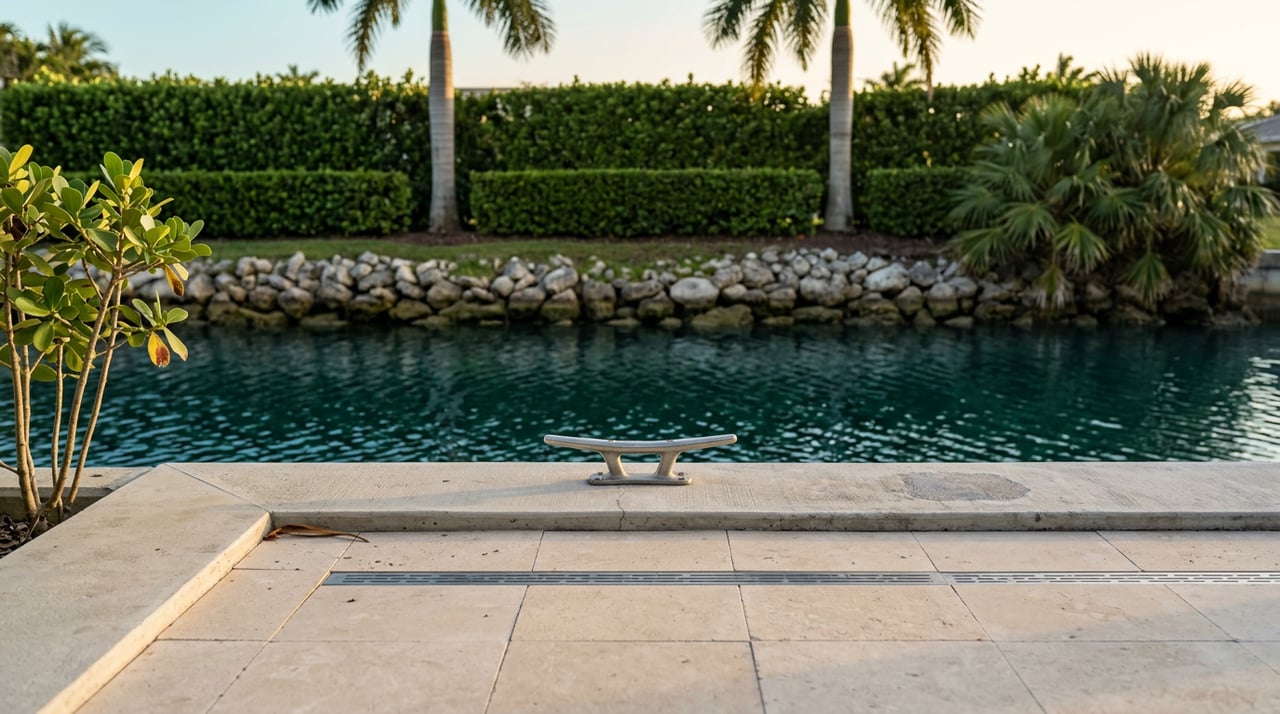
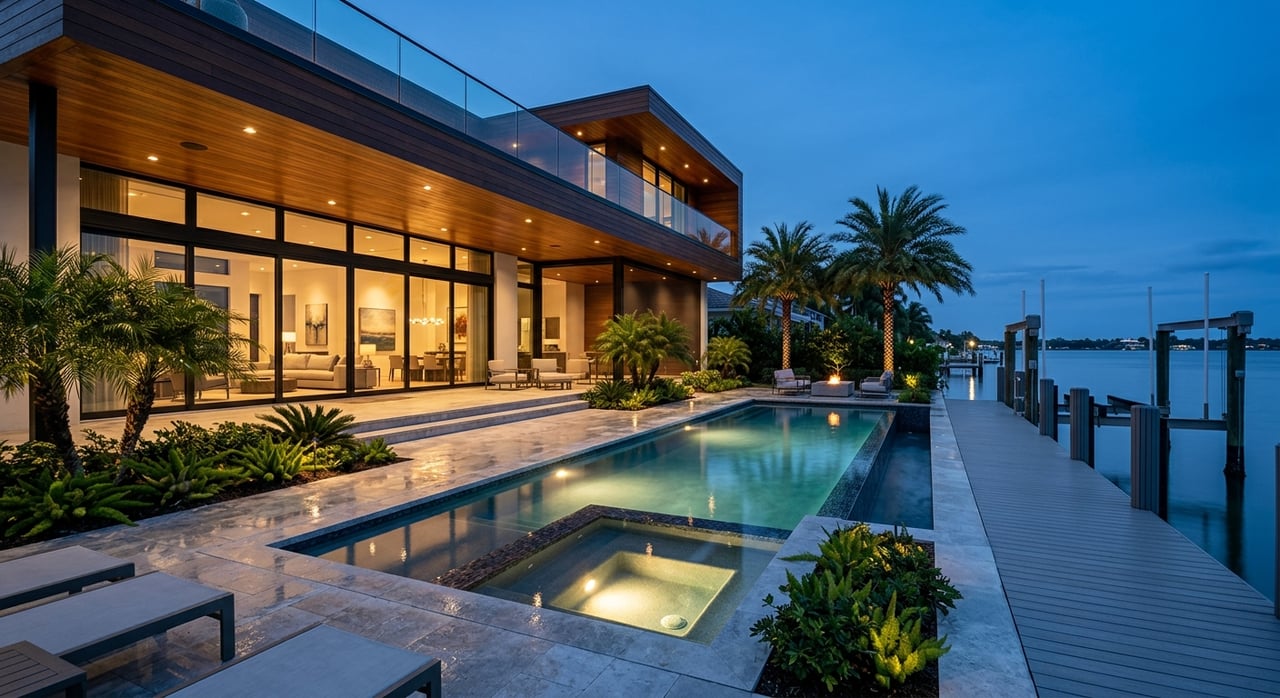
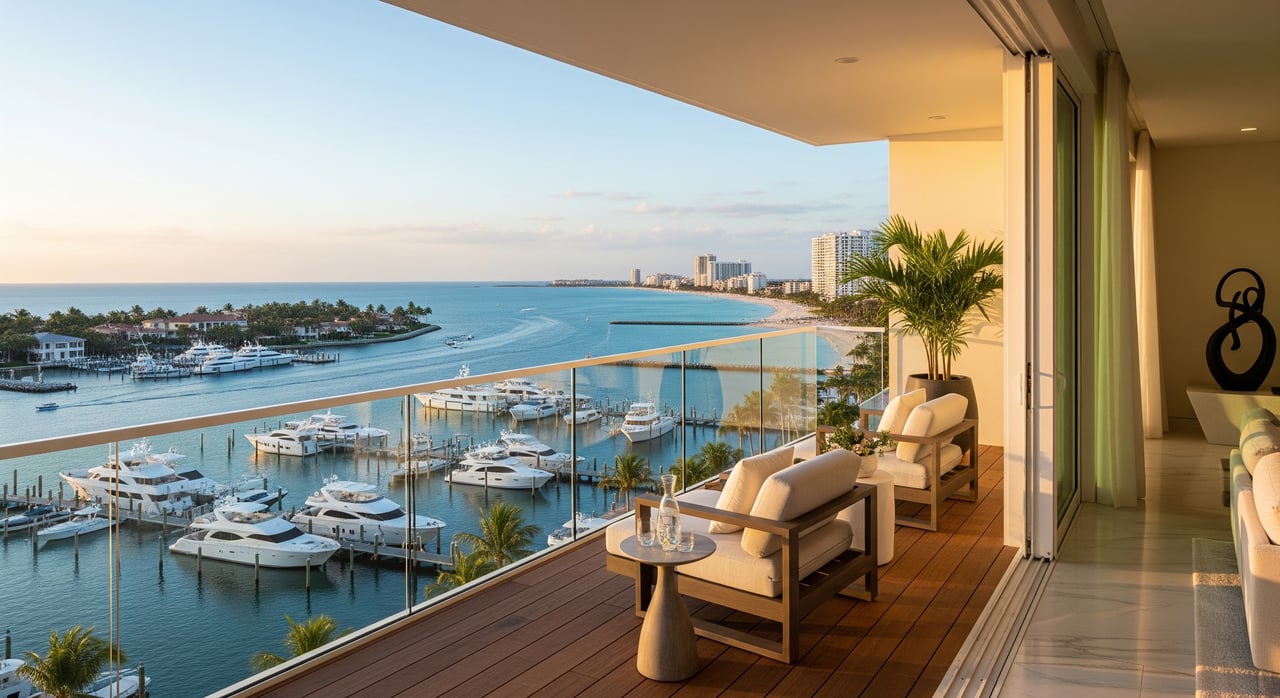
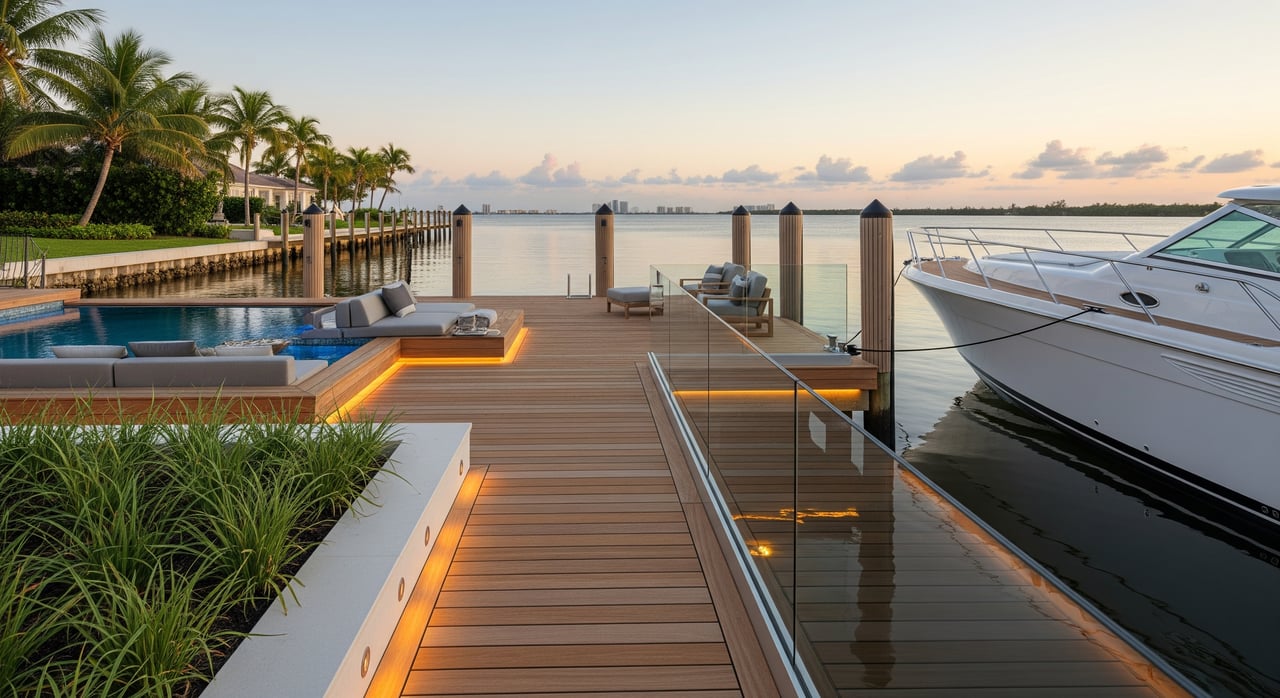
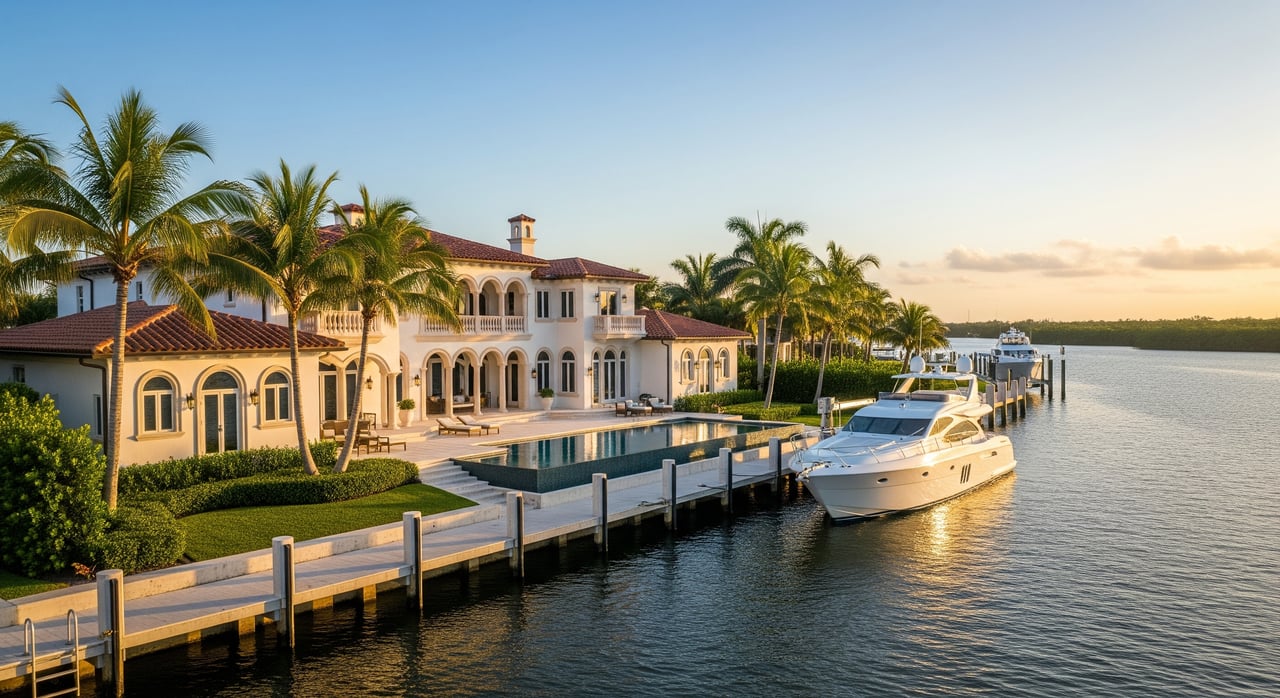
If boating is essential, Park Shore stands out for its extensive canal network that connects to area waterways and the Gulf. Many properties offer docks or nearby marina access, though availability is often limited and policies differ by association. In Moorings, you may find smaller private marina facilities or community docks, with additional services available at nearby marinas.
Storm and navigation planning
Tides, seasonal weather, and storm planning matter for boaters and waterfront owners. Review canal depths, any fixed-bridge clearances, and what local marinas offer for fuel, haul-out, or covered storage. For property risk, evaluate FEMA flood maps, Collier County flood resources, and elevation certificates for your target building.
Buildings, design, and services
Park Shore towers and services
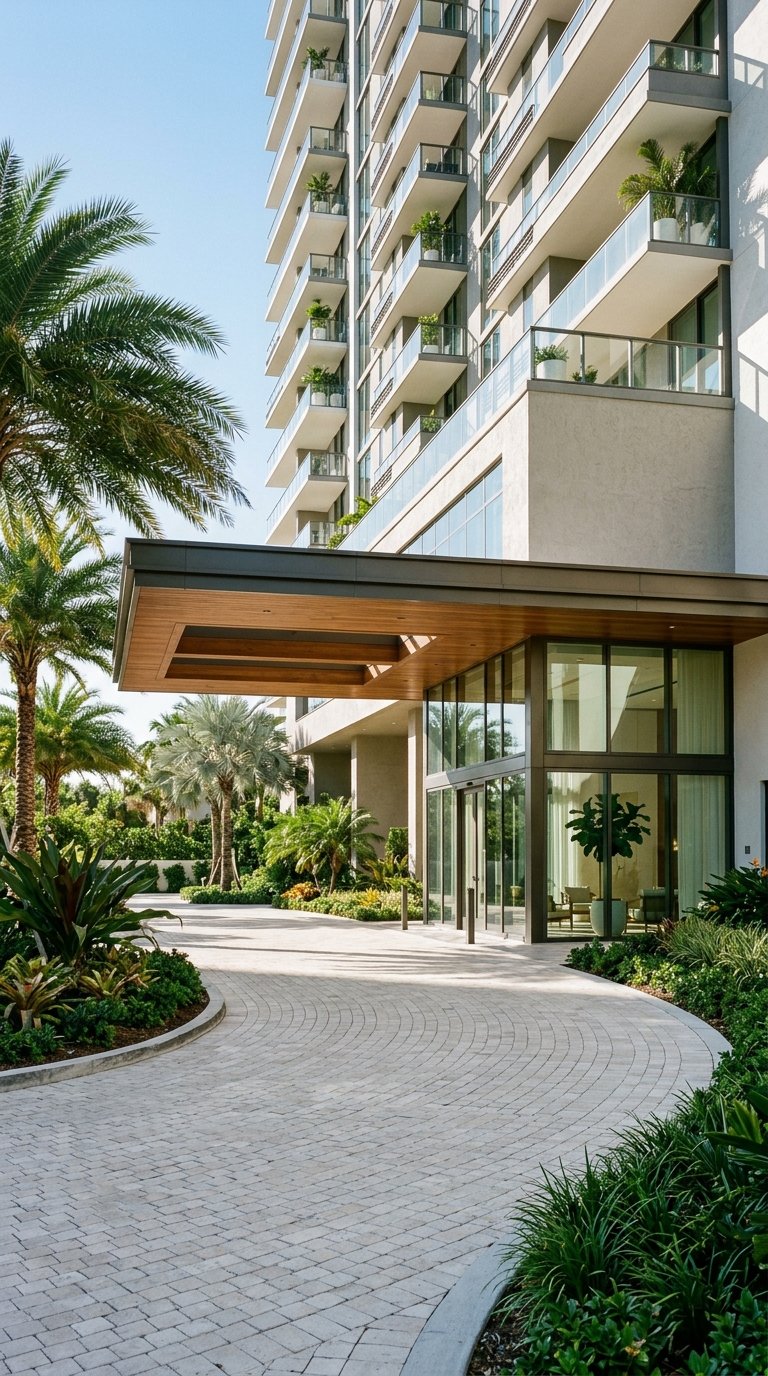
Park Shore features a dense cluster of mid-rise and high-rise condos along Gulf Shore Boulevard and the canals. Many buildings blend resort-style pools with on-site management, fitness centers, and concierge or valet services, plus private or association beach access. The combination of services and waterfront retail nearby is a draw if you want convenience without daily driving.
Moorings scale and ambiance
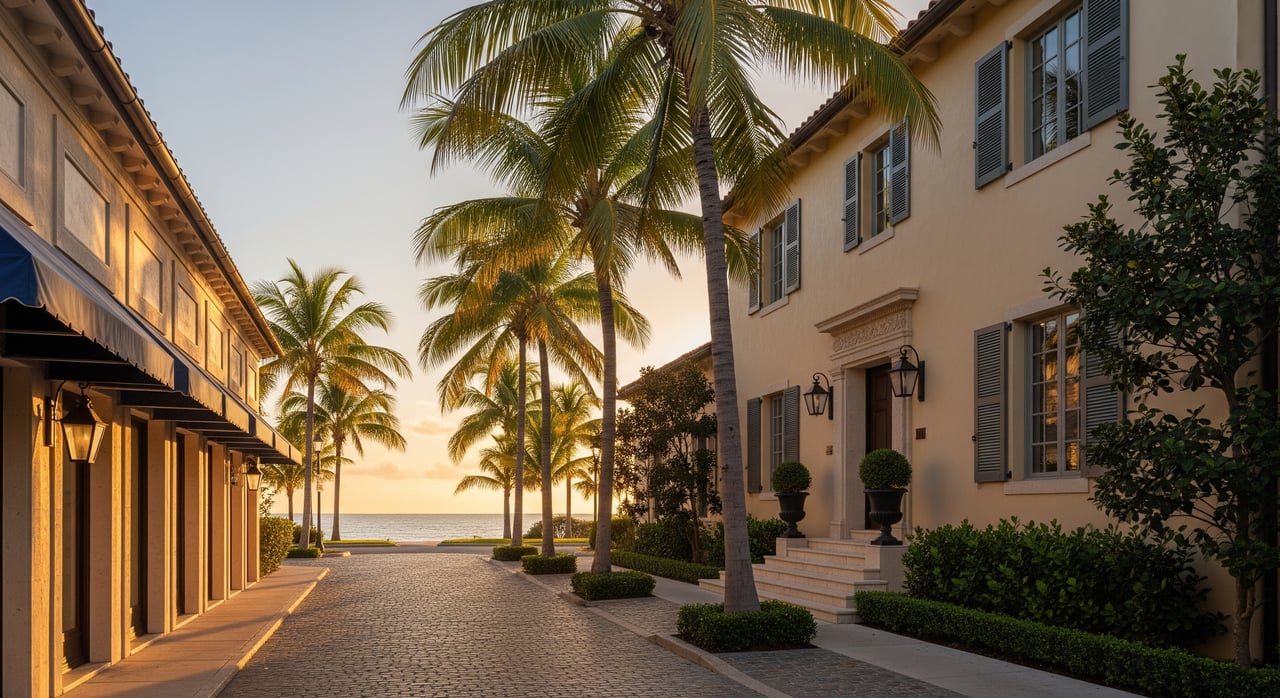
Moorings leans toward a mix of low- to mid-rise buildings and a few select beachfront addresses. Grounds tend to be landscaped and serene, with smaller pools, private beach clubs, and courts in some communities. If you want a quieter residential setting that still stays central, this profile can be compelling.
Interiors, age, and renovation
Across both neighborhoods, you will find renovated mid-century buildings alongside newer luxury towers. Modernized condos may offer open floor plans, contemporary finishes, and hurricane-impact glazing. Newer or comprehensively upgraded buildings can deliver larger terraces, premium materials, and enhanced sound control for a refined in-residence experience.
Unit sizes and preferences
Affluent buyers often target larger two- to four-bedroom units, penthouses, or combined floor plans for flexible hosting. Private elevator access and panoramic exposures are common priorities. Gulf-facing terraces and top-floor views will usually command premium pricing.
Amenities and lifestyle priorities
Services and social settings
- Park Shore: Proximity to waterfront dining and shopping, full-service towers, and robust canal access appeal to owners who value walkable amenities and on-site staff.
- Moorings: A more residential atmosphere with private beach clubs and landscaped grounds suits owners who favor a quieter beach lifestyle.
Second-home vs full-time living
Second-home owners often want low-maintenance, full-service buildings with security and on-site management. Full-time residents may lean toward community feel, everyday convenience, and year-round social options. Either neighborhood can work for both, but the service density in Park Shore and the relaxed character in Moorings often guide the choice.
Ownership details that affect value
HOA fees, reserves, and assessments
Monthly fees will vary by building and amenities. Full-service towers typically carry higher fees that cover concierge services, security, facilities, reserves, and insurance on the structure. Always request budgets, reserve studies, recent meeting minutes, and capital plans to understand current funding and potential special assessments.
Rentals and policy checks
Rental rules differ widely by association and local regulations. Some buildings prohibit short-term rentals, while others permit seasonal leases with minimum terms and registration. If rental income matters, confirm the policy, any waiting periods, and compliance steps in advance.
Parking, guests, and pets
Parking allocation and guest parking can be building specific. Luxury towers may include covered or assigned spaces, while smaller communities could limit guest availability. Pet rules also vary, often with weight or breed restrictions, so confirm the current policy before you commit.
Insurance and flood considerations
Coastal properties involve layered coverage, including wind and flood. Associations typically carry a master policy on the structure, while you secure an HO-6 policy for interiors, contents, and loss assessments. Flood insurance may be required based on the building’s flood zone, so verify elevation certificates and zone designations early.
Which neighborhood fits your lifestyle
You may prefer Park Shore if you want
- Walkable access to waterfront dining and retail in select clusters.
- A higher concentration of full-service buildings with staffed amenities.
- Strong canal and marina access close to home.
You may prefer Moorings if you want
- A quieter residential setting with private beach access points.
- Low- to mid-rise buildings and landscaped streets.
- A relaxed neighborhood feel close to downtown without the bustle.
What to verify before you write an offer
Beach and docks
- Does the unit include deeded or association beach access, and what are the rules for use?
- Is there a private dock or marina slip tied to the unit, and is it deeded, leased, or assigned with a waitlist?
- Which nearby marinas serve your boat size, and do they offer fuel, haul-out, covered storage, or transient slips?
Building and association health
- Obtain the current budget and reserve study, recent meeting minutes, insurance certificates, and any litigation disclosures.
- Review capital improvement plans and the status of major systems and building envelope projects.
- Confirm management structure, on-site vs third-party, and service hours.
Risk, insurance, and flood
- Request the elevation certificate and FEMA flood-zone designation for the building and unit.
- Seek early quotes for HO-6, wind, and flood coverage, since premiums vary by flood zone and building age.
- Ask for the building’s hurricane preparedness plan and past storm-damage history.
Financial, legal, and resale
- Verify HOA fees, special assessments, and property tax data from official county sources.
- Confirm short-term rental rules and local transient regulations if you plan to rent.
- Evaluate resale dynamics using historical turnover, owner-occupancy rates, and days on market for comparable units.
Your next step
Both Moorings and Park Shore deliver what Naples is known for, Gulf living with refined comfort. The right fit comes from aligning your daily routine with the building’s services, beach access, and boating needs, then validating the details in the association documents. If you want a tailored short list and a discreet, start-to-finish process, connect with Karen Van Arsdale to schedule a private consultation.
FAQs
What is the main lifestyle difference between Moorings and Park Shore condos?
- Park Shore concentrates full-service towers and walkable waterfront dining, while Moorings leans quieter with landscaped streets and private beach access points.
How does beach access typically work in these Naples condo neighborhoods?
- Many associations provide private or semi-private walkovers or beach clubs, but you should confirm whether access is deeded to the unit or governed by association rules.
Are boat slips commonly available with Park Shore or Moorings condos?
- Slip availability is limited and varies by building, sometimes deeded, leased, or assigned with a waitlist, so verify status and transferability in writing.
What association documents should I review before buying a waterfront condo?
- Request budgets, reserve studies, meeting minutes, insurance certificates, capital plans, litigation disclosures, rental policies, and management details.
How do flood zones and insurance affect ownership in Moorings or Park Shore?
- Flood zone and elevation influence insurance requirements and premiums, so obtain elevation certificates, review FEMA designations, and get early HO-6 and flood quotes.
Are short-term rentals allowed in Park Shore or Moorings condos?
- Policies are building specific, with some prohibiting short-term rentals and others allowing seasonal leases with minimum terms and registration requirements.