Thinking about spending winter in Naples? If you want sunshine, walkability, and a historic coastal setting, Old Naples stands out for a reason. For many seasonal buyers, the challenge is not deciding whether Naples fits, but figuring out how to make a winter move smooth, practical, and well-timed. This guide will help you understand what to expect, what to plan for, and what to review before choosing an Old Naples winter base. Let’s dive in.
Why Old Naples Works for Winter
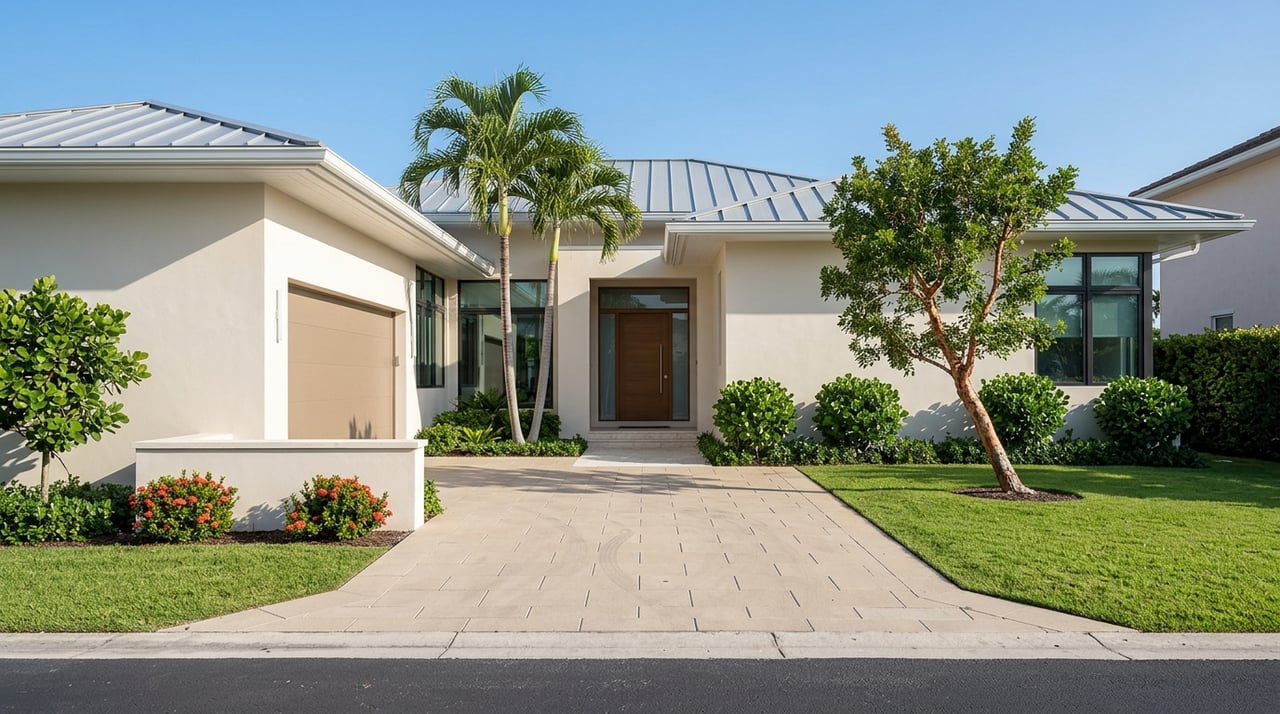
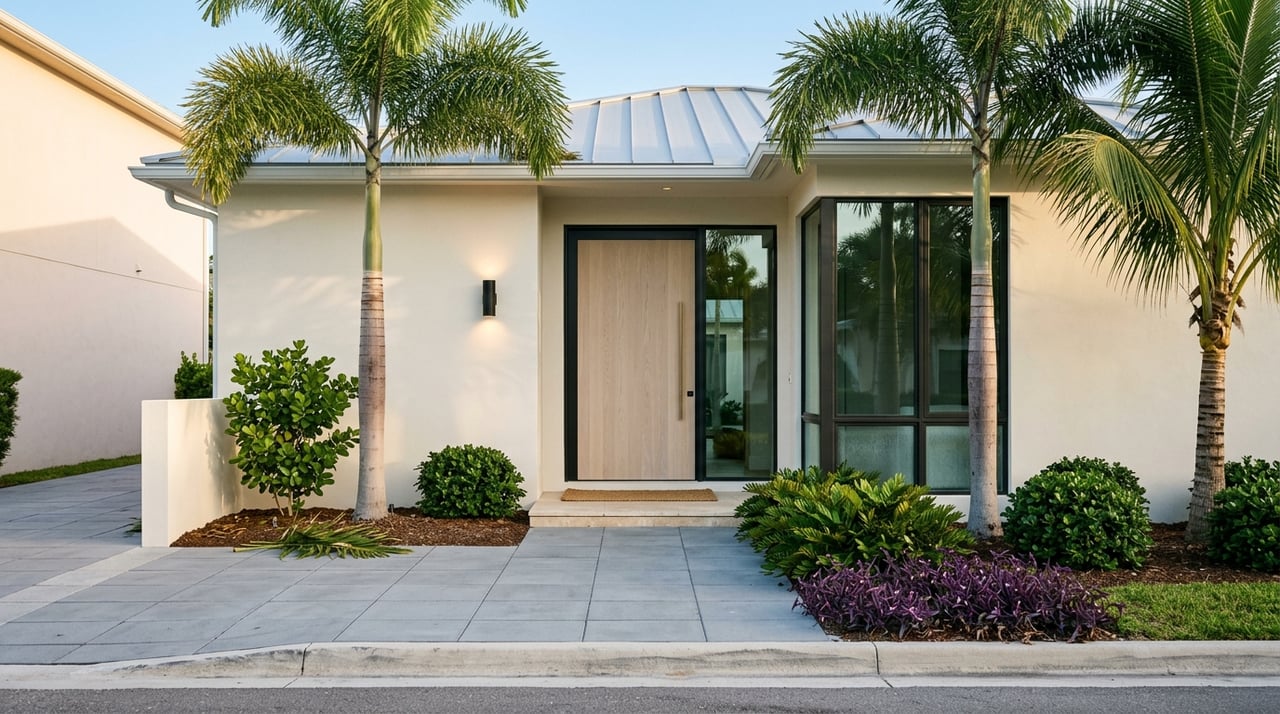
Old Naples is the City of Naples’ historic neighborhood, known for original homes, mature palms, and tropical landscaping, according to the City of Naples. It stretches from the Third Street South area west to the beach and east toward US 41, giving you a compact and highly recognizable part of town.
For winter living, that layout matters. Third Street South is the historic downtown shopping and dining district, and it sits just two blocks from Naples Pier and the Gulf beaches. If you want a seasonal home where daily outings can feel simple and close at hand, Old Naples offers a practical setup.
There is also a strong sense of continuity here. The Old Naples Association works to preserve the neighborhood while supporting social events, volunteer opportunities, and speaker programs. That can be especially appealing if you want your winter season to feel connected rather than temporary.
What Winter Weather Feels Like
One reason so many people look at Naples for the season is the climate. According to Naples climate normals, January averages about 74.3°F for daily highs, 63.0°F for the mean, and 51.6°F for lows.
That is a sharp contrast to summer, when highs are near 90°F and rainfall rises dramatically. Winter is typically much drier, with roughly 2 inches of monthly rainfall, while late summer can reach around 10 inches. If you are relocating for comfort, outdoor dining, beach walks, and a more open-air daily routine, the winter pattern is a major part of Old Naples’ appeal.
The seasonal calendar also shapes the experience. Third Street South notes that local season typically runs from Thanksgiving through Easter, with the busiest stretch in January through April. In other words, you are not just moving for weather. You are moving into the most active social stretch of the year.
Best Timing for a Winter Move
Timing your setup well can make the season feel much easier. The National Hurricane Center states that Atlantic hurricane season runs from June 1 through November 30, with peak activity around September 10 and most activity between mid-August and mid-October.
Taken together with Naples’ climate patterns and local seasonality, late October through November is often a sensible window to prepare your winter home. It comes after the peak of hurricane season and before January through April traffic and event activity fully ramp up. While that is an inference from the available data rather than a formal city recommendation, it is a practical planning point for many seasonal owners.
If you are buying and furnishing a second home, this timing can also help with service scheduling, delivery coordination, and utility setup before the busiest part of the season begins.
How to Plan a Lock-and-Leave Home
A winter residence in Old Naples often needs to function well when you are in town and when you are away. Because summers in Naples are hotter, wetter, and more humid, your home setup should account for long vacancy periods.
Based on the local climate normals, many seasonal buyers think through a few basics early:
- HVAC service scheduling
- Dehumidification strategy
- Furnishings and finishes that can tolerate humidity
- Property routines for arrival and departure
- Waste and utility logistics while the home is unoccupied
The City of Naples provides utilities service information and publishes residential solid-waste collection rules. The city handles residential waste and recycling, offers back-door residential garbage collection, and sets clear curbside timing rules. For a seasonal owner, predictable routines can help a property appear orderly and reduce avoidable issues while you are away.
The city also notes that residents and some nonresident property owners within city limits may qualify for annual beach parking permits. For owners who split time between Naples and another home base, that can add convenience to day-to-day winter use.
Travel and Arrival Logistics
For most seasonal residents, airport access is part of the decision. Southwest Florida International Airport in Fort Myers is the main commercial gateway and served more than 11.1 million passengers in 2025.
If you fly privately or value a closer local option, Naples Airport is minutes from downtown Naples and I-75, according to the same airport authority. It also handles customs clearing for international arrivals and records more than 100,000 general aviation takeoffs and landings each year.
That combination gives Old Naples a strong advantage for buyers who want to arrive for long weekends, extended winter stays, or frequent back-and-forth travel without giving up ease of access.
Can a Golf Cart Replace a Car?
In parts of Old Naples, a golf cart may feel like a natural fit for short local trips. But it is important not to assume every route is allowed.
Under Florida law, golf carts and utility vehicles may operate only on roads posted at 30 mph or less. They may cross roads posted at 45 mph or less only at intersections with traffic control devices, and the operator must have a valid driver’s license.
Local ordinances may be stricter, and associations may also have their own rules. If a low-car lifestyle is important to you, it is wise to confirm likely routes and community rules before you buy.
Rental and HOA Rules to Review Early
If you are considering any type of seasonal subletting, due diligence is essential. The City of Naples states that units rented more than three times in a calendar year for periods of less than 30 days, or advertised that way, can qualify as transient lodging, and that use is not permitted in most residential zoning districts, according to the city’s code flyer on transient lodging.
This is especially important because properties within the City of Naples are exempt from Collier County’s short-term rental registration program. That means city rules apply, but those rules still do not override a condo or HOA’s governing documents.
Florida law allows associations to regulate rentals, including restrictions on rentals under six months and more than three times per year. For condo properties, association approval procedures and fees may also come into play. Under Florida condo law, if the documents authorize it, an association may charge a transfer or lease-approval fee capped at $150 per applicant, and may also require a prospective lessee to post a security deposit of up to one month’s rent.
For a lock-and-leave buyer, the practical review list usually includes:
- Minimum lease term
- Rental frequency limits
- Guest limits
- Approval timelines
- Parking rules
- Pet rules
- Any seasonal blackout periods
Before closing, you should review the specific association documents for the property you are considering. Florida law requires associations to keep many of these records available in their official records and, in many cases, on a website or app.
Flood-Zone Review Matters
Old Naples includes older homes close to the beach, so flood-zone review should happen early in your search. The City of Naples provides interactive flood-zone maps and access to a floodplain coordinator for official zone confirmation.
This step is important whether you are buying a house or evaluating a condo location near the shoreline. Early review can help you better understand property-specific considerations before you get too far into the process.
What Winter Life Looks Like
Part of Old Naples’ appeal is that the season feels active without requiring a long drive to participate. Third Street South hosts a year-round Saturday farmers market, recurring monthly music events, and holiday programming that includes the Christmas on Third tree-lighting celebration.
The district also notes that season brings more traffic and longer restaurant waits. That is not necessarily a drawback, but it is something to factor into your expectations if you are choosing between a highly walkable in-town location and a quieter setup elsewhere.
If you want to plug into the community more quickly, Old Naples offers several established avenues. The Old Naples Association supports events, volunteer opportunities, and speaker programs. The Naples Historical Society offers walking tours of the historic district, winter lectures, and volunteer opportunities, while Artis—Naples hosts more than 800 paid and free events annually along with recurring community programming such as Art After Hours.
For many seasonal residents, that mix of beach access, historic character, and a full winter calendar is exactly what makes Old Naples feel like a true seasonal home rather than just a place to stay.
A Smart Approach to Buying for the Season
If you are relocating to Old Naples for winter, the best experience usually starts with clarity. You will want to think beyond style and square footage and focus on how you actually plan to live in the home for several months each year.
That means balancing walkability, arrival logistics, lock-and-leave convenience, flood-zone review, and any association restrictions that could affect guests or rentals. In a neighborhood as established and nuanced as Old Naples, the details matter.
If you are exploring a winter move and want discreet guidance tailored to your goals, Karen Van Arsdale can help you navigate Old Naples with a local, highly personalized approach.
FAQs
What makes Old Naples a good place for a winter home?
- Old Naples offers a historic setting, close access to the beach, and a walkable layout centered around Third Street South, which is near shopping, dining, and daily conveniences.
When should you prepare for a winter season move to Old Naples?
- Based on hurricane season timing and local seasonality, late October through November is often a practical setup window before the busiest winter months begin.
What weather should you expect during winter in Old Naples?
- January in Naples averages about 74.3°F for highs, 63.0°F for the mean, and 51.6°F for lows, with much lower rainfall than summer.
What rental rules should seasonal buyers review in Old Naples?
- You should review City of Naples transient lodging rules plus the specific condo or HOA documents for lease terms, rental frequency limits, approval requirements, guest policies, and related restrictions.
What should lock-and-leave buyers check before buying in Old Naples?
- You should review HVAC and humidity planning, utility and trash routines, flood-zone status, association rules, parking logistics, and how the property will function when vacant for extended periods.
What airport options serve Old Naples for seasonal travel?
- Most travelers use Southwest Florida International Airport in Fort Myers, while Naples Airport offers a closer local option for general aviation and certain international arrivals.