If you are drawn to Old Naples, you are probably not just choosing a house. You are choosing a setting with beach access, downtown convenience, and one of the city’s oldest residential identities. That is why the decision between a historic cottage and a new construction home can feel so personal. This guide will help you compare both paths clearly, so you can decide which one fits your priorities in Old Naples. Let’s dive in.
Why Old Naples Makes This Decision Unique
Old Naples offers a rare mix of original homes and newer residences in one of Naples’ most established neighborhoods. According to the City of Naples, it contains many of the city’s earliest homes, along with mature palms, tropical landscaping, and a blend of old and new architecture.
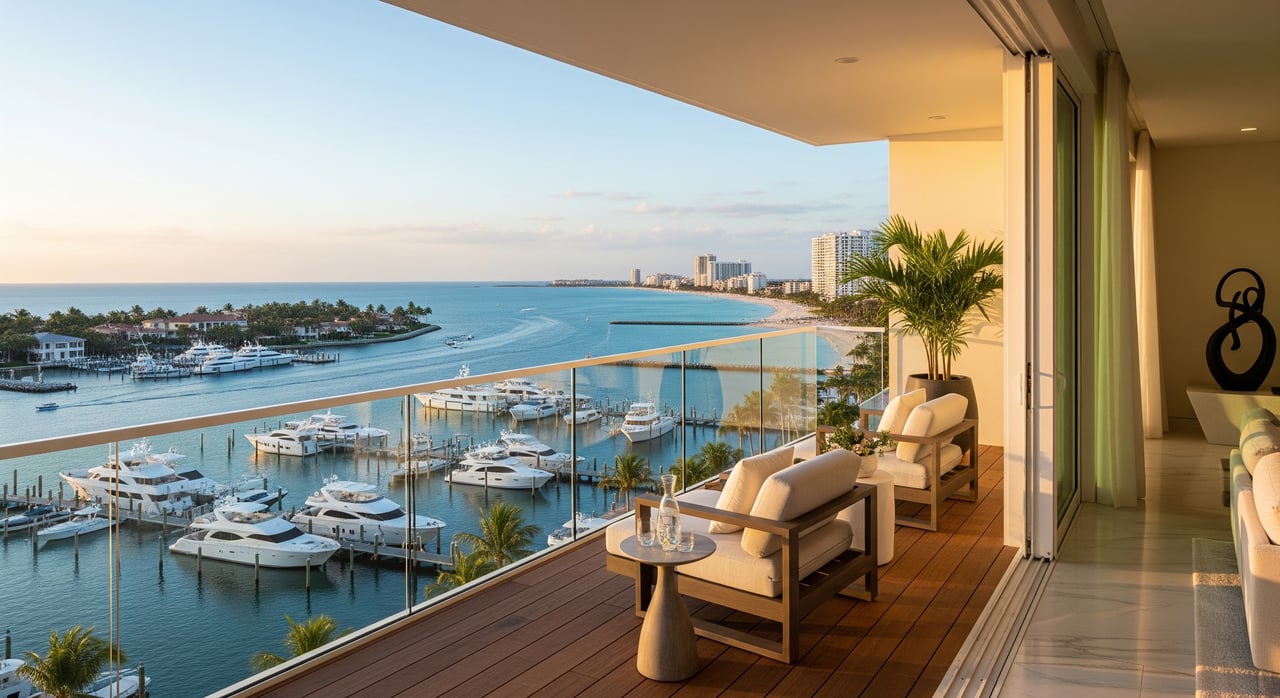
Location also shapes the appeal. Old Naples extends from the Third Street South area toward the beach and west from U.S. 41, which puts both downtown access and shoreline proximity at the center of daily life. For many buyers, that means the home itself matters, but so does how easily you can enjoy the neighborhood around it.
Walkability is also part of the area’s planning, not just its reputation. The city has identified Old Naples as a pedestrian-priority area, with crosswalk and sidewalk continuity improvements in key locations. If you want a neighborhood where walking is built into the experience, that is an important part of the equation.
Historic Charm in Old Naples
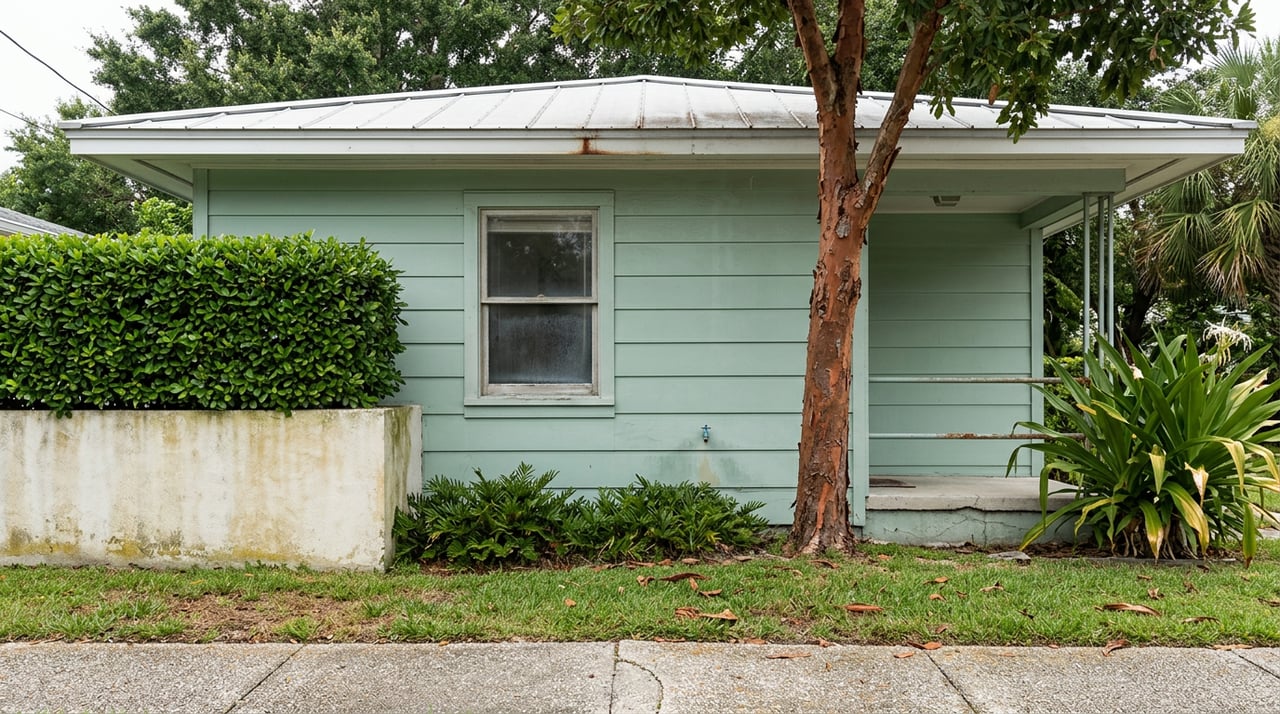
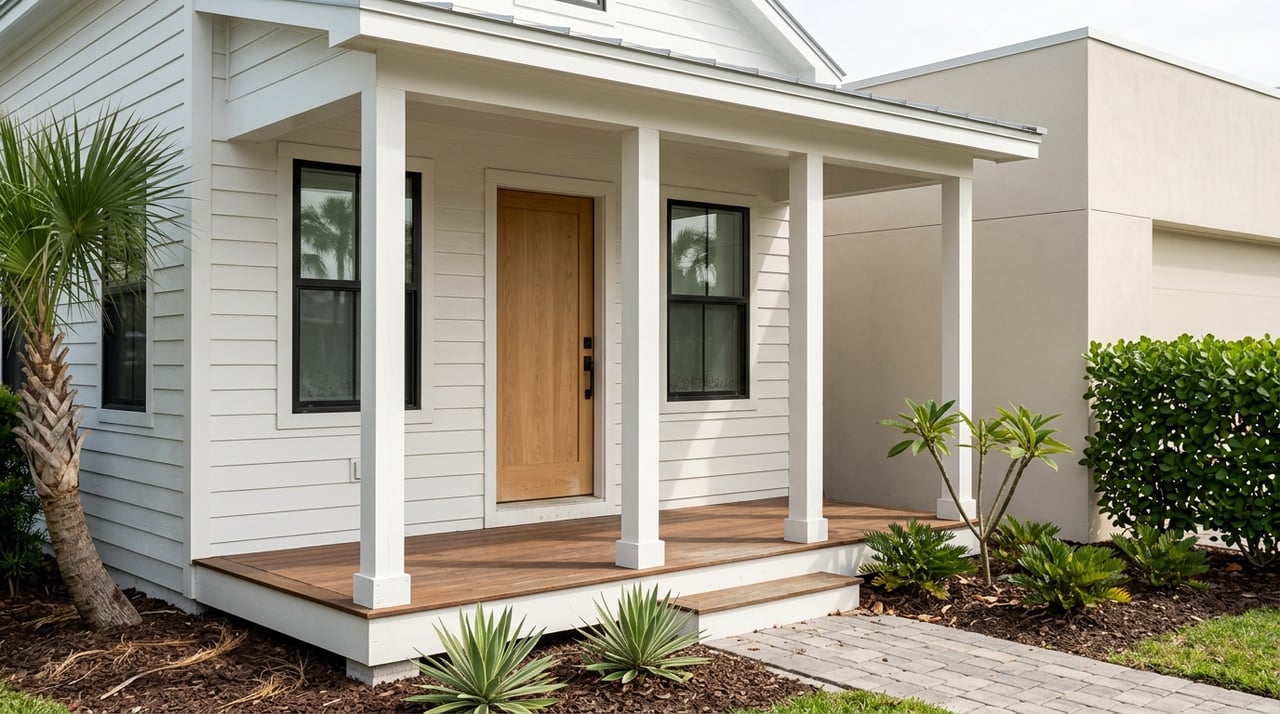
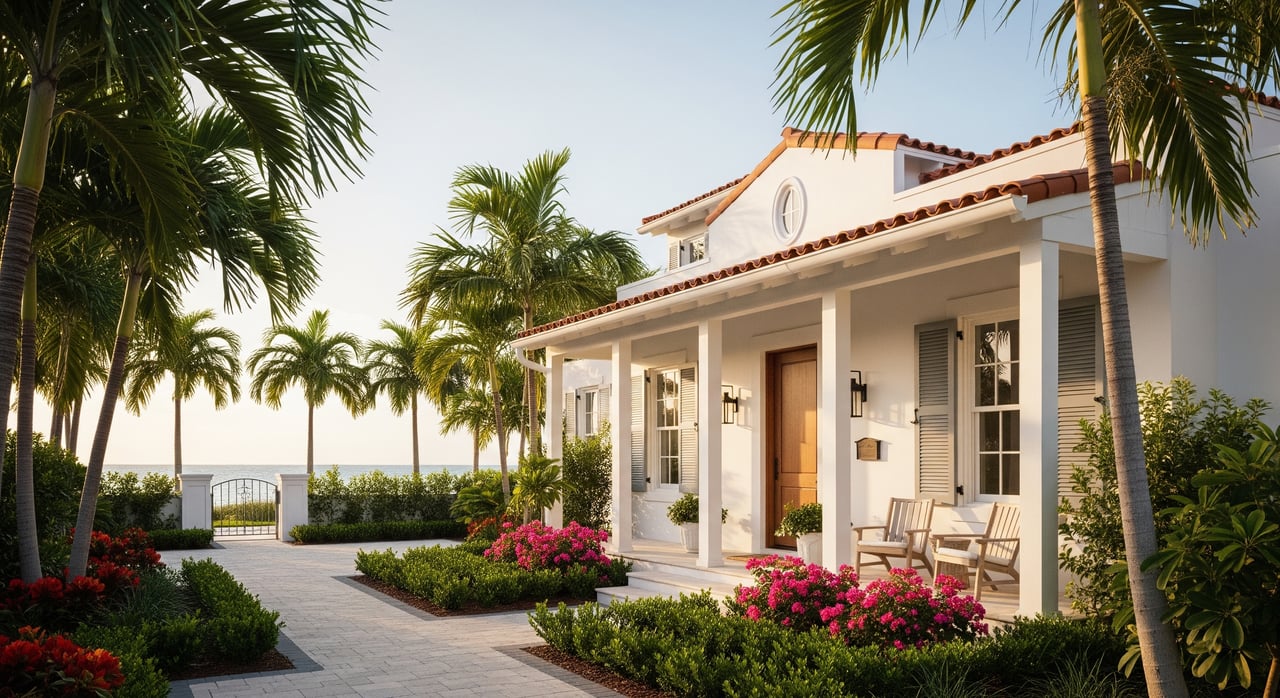
Historic cottages in Old Naples appeal to buyers who want a closer connection to Naples’ early residential story. The city notes that historic buildings reflect local history and that the materials and workmanship found in these homes remain exceptional by modern standards.
That charm often shows up in ways that are hard to replicate. Older cottages can offer original character, established landscaping, and a more intimate relationship with the streetscape. In a neighborhood like Old Naples, that can create a sense of place that feels distinct from a newly built home.
Not Every Older Home Is Historic
This is one of the most important distinctions for buyers. A home can be old without being classified as a historic building under city code.
The City of Naples defines a historic building more narrowly. It must be individually listed in the National Register of Historic Places, be a contributing resource in a listed district, or be determined eligible by the Florida State Historic Preservation Officer. That means a property may have age and charm without falling under the formal historic-building rules.
What Historic Status Can Mean for You
If a home is officially considered historic, the renovation path can be more involved. The city requires review and approval by the Florida State Historic Preservation Office before city permit submittal for work involving exterior changes, interiors, additions, and demolition, with only limited exceptions for certain minor repairs and upgrades.
For buyers, that usually means more planning before making changes. A project that seems straightforward at first glance may require documentation, review, and additional coordination. If you value original architecture and are comfortable with a more specialized process, that tradeoff may feel worthwhile.
Historic Cottage Pros and Tradeoffs
Here is where historic homes often stand out:
- Original character tied to early Naples history
- Mature landscaping and an established streetscape
- Materials and details that may feel distinctive and hard to duplicate
- A strong sense of place within one of Naples’ oldest neighborhoods
The main tradeoffs often include:
- Less flexibility for quick reconfiguration if the home is officially historic
- More specialized maintenance and renovation planning
- Added importance of verifying approvals, flood considerations, and designation status before purchase
New Construction in Old Naples
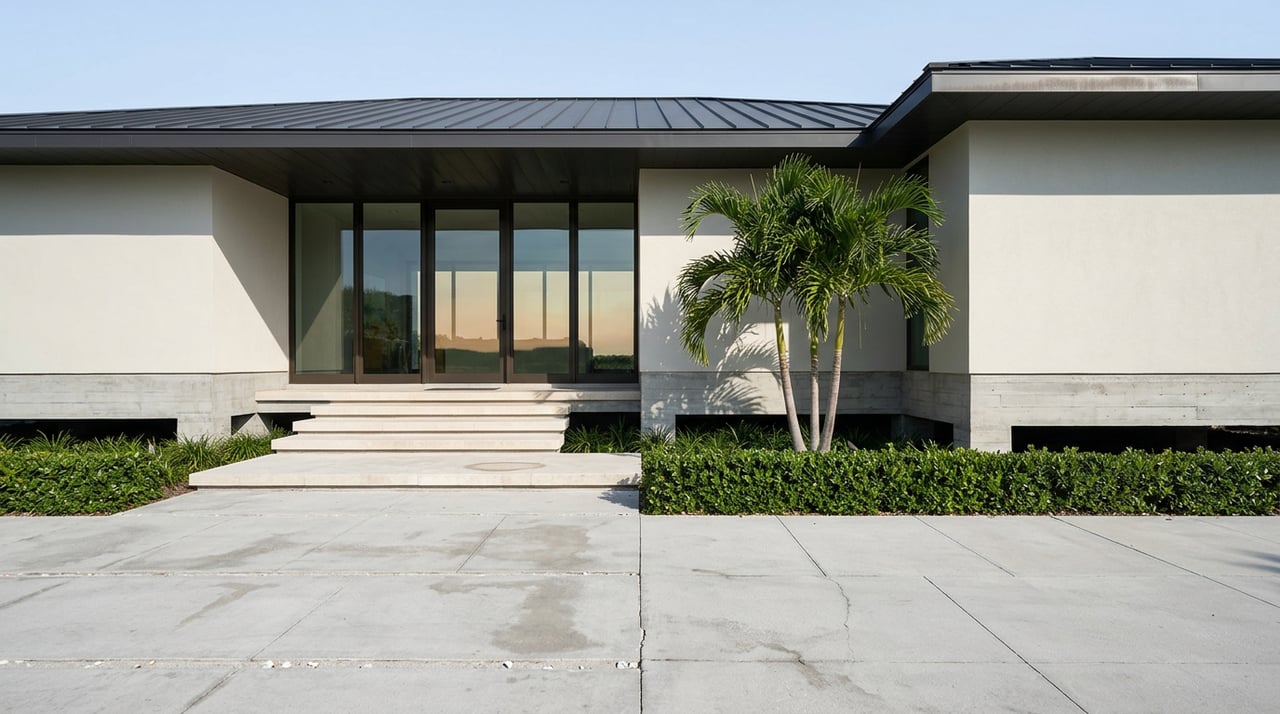
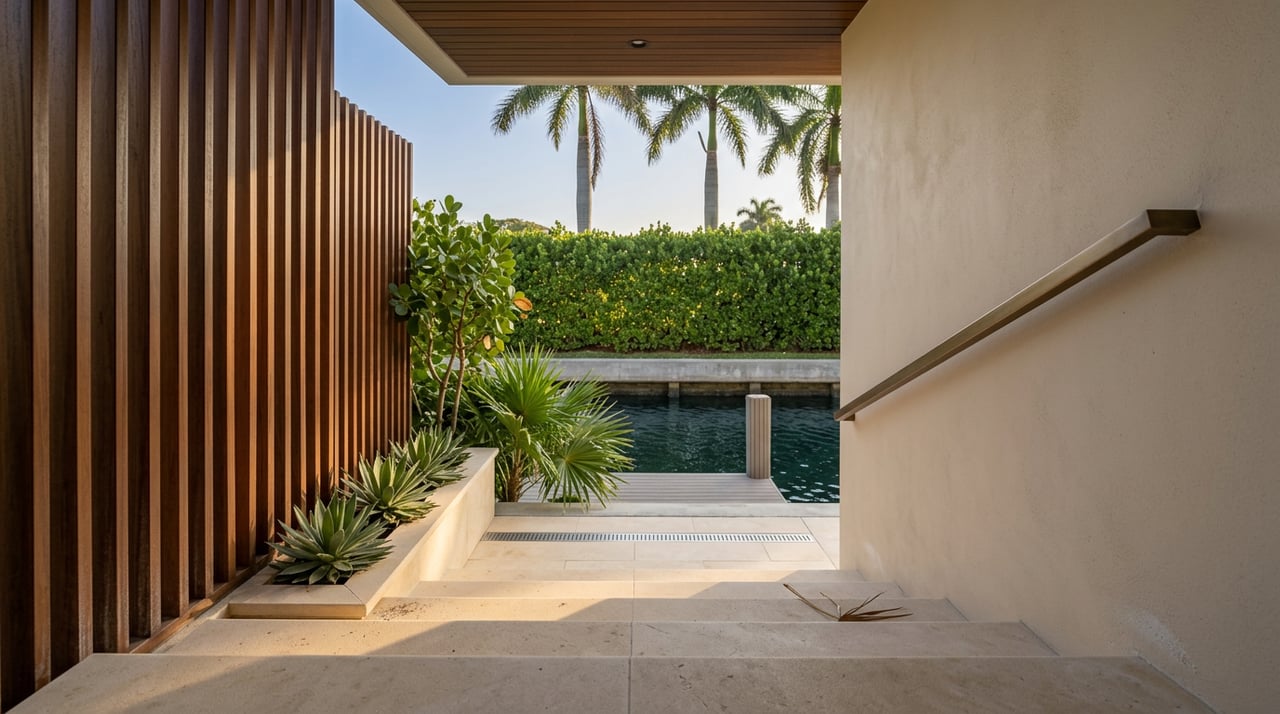
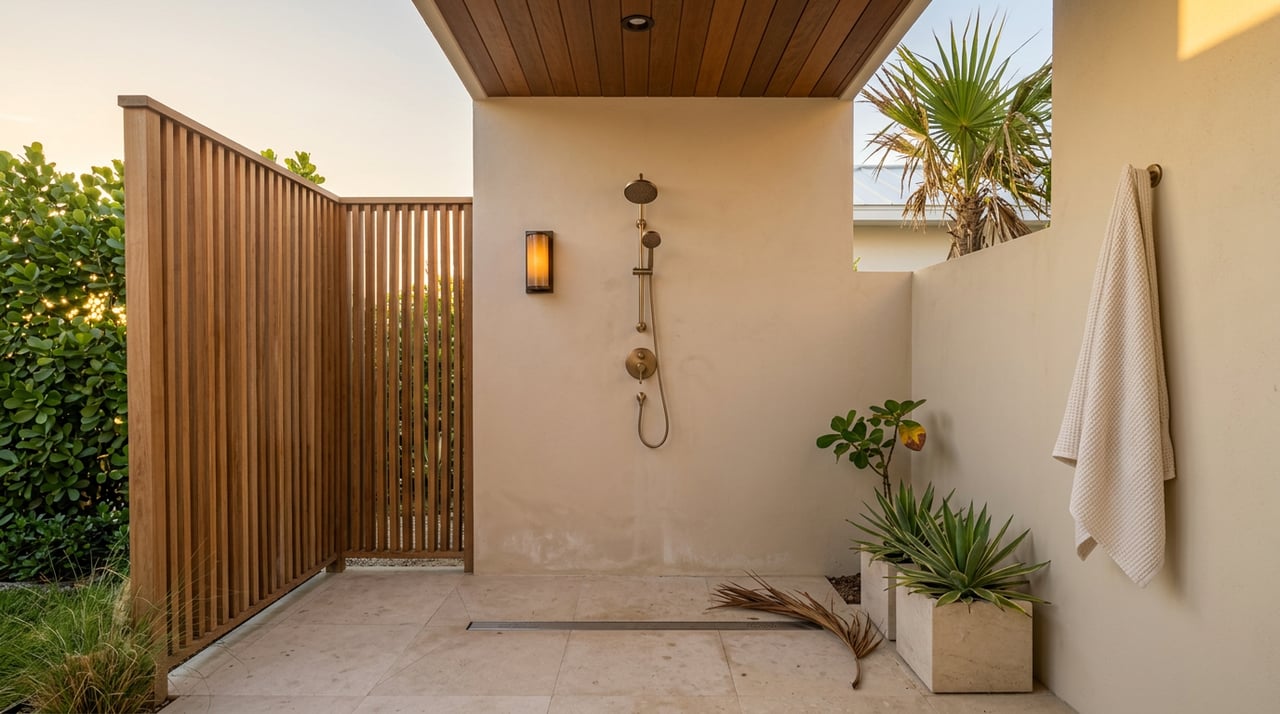
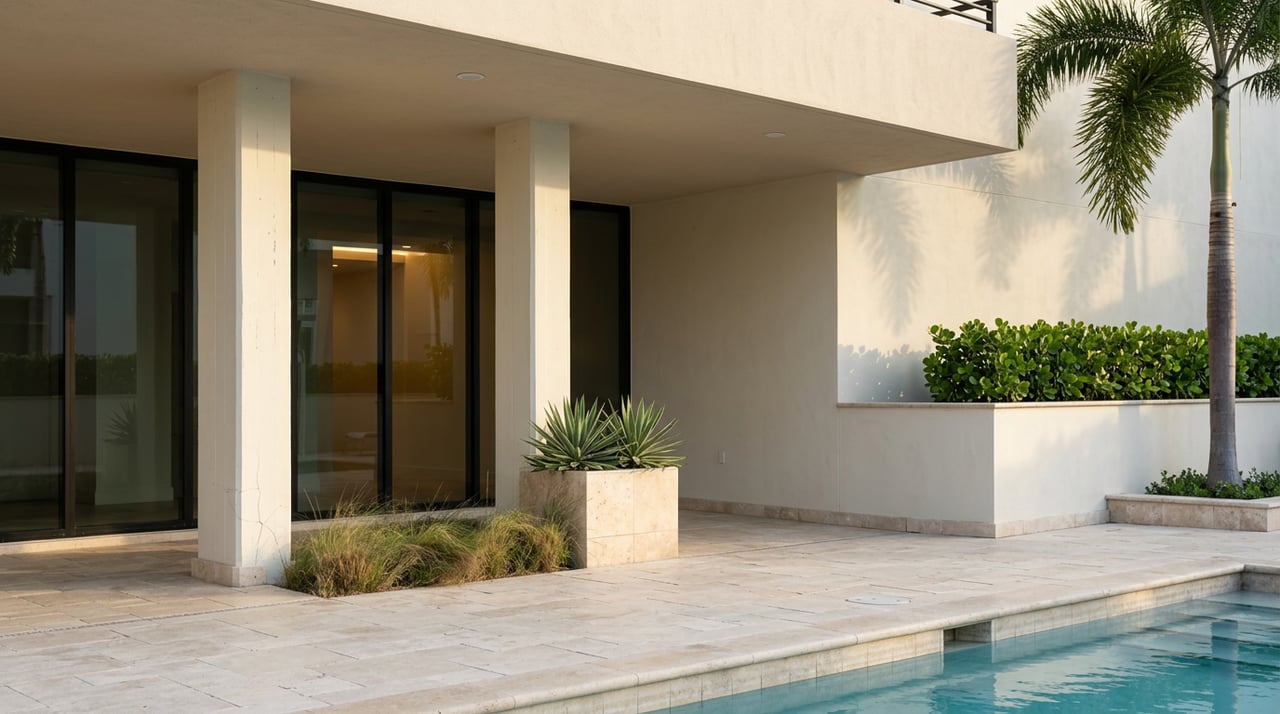
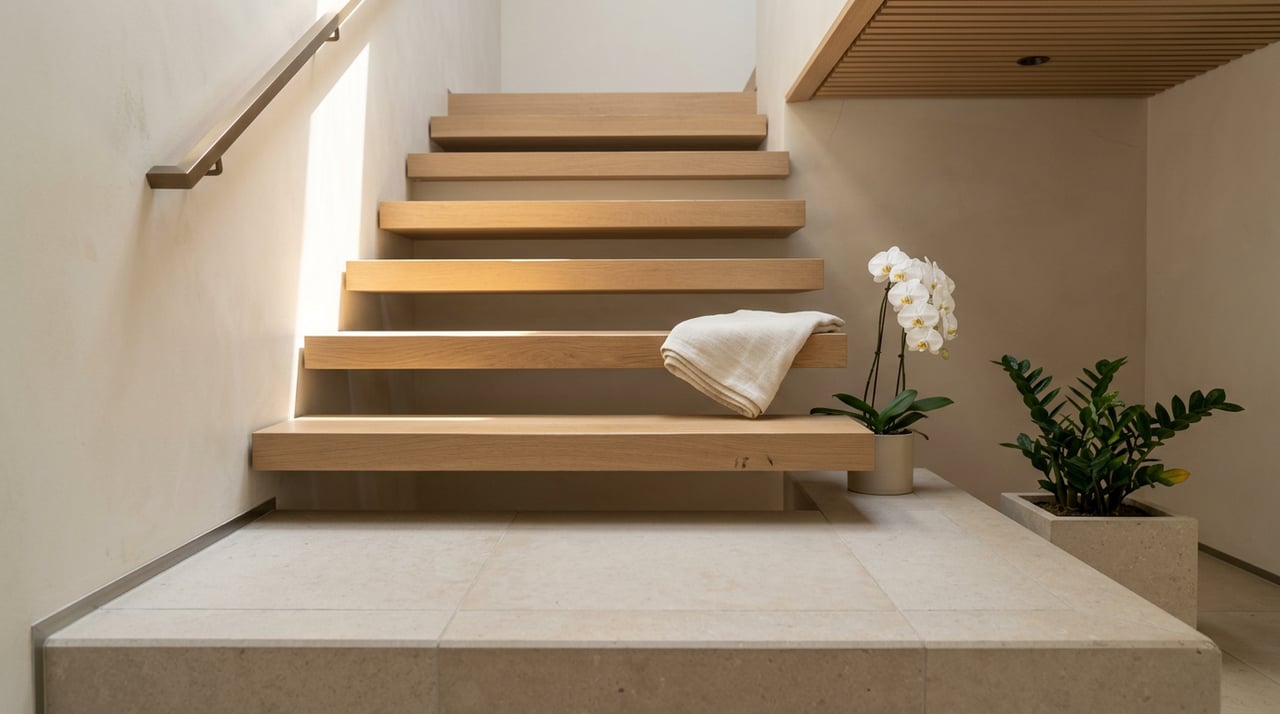
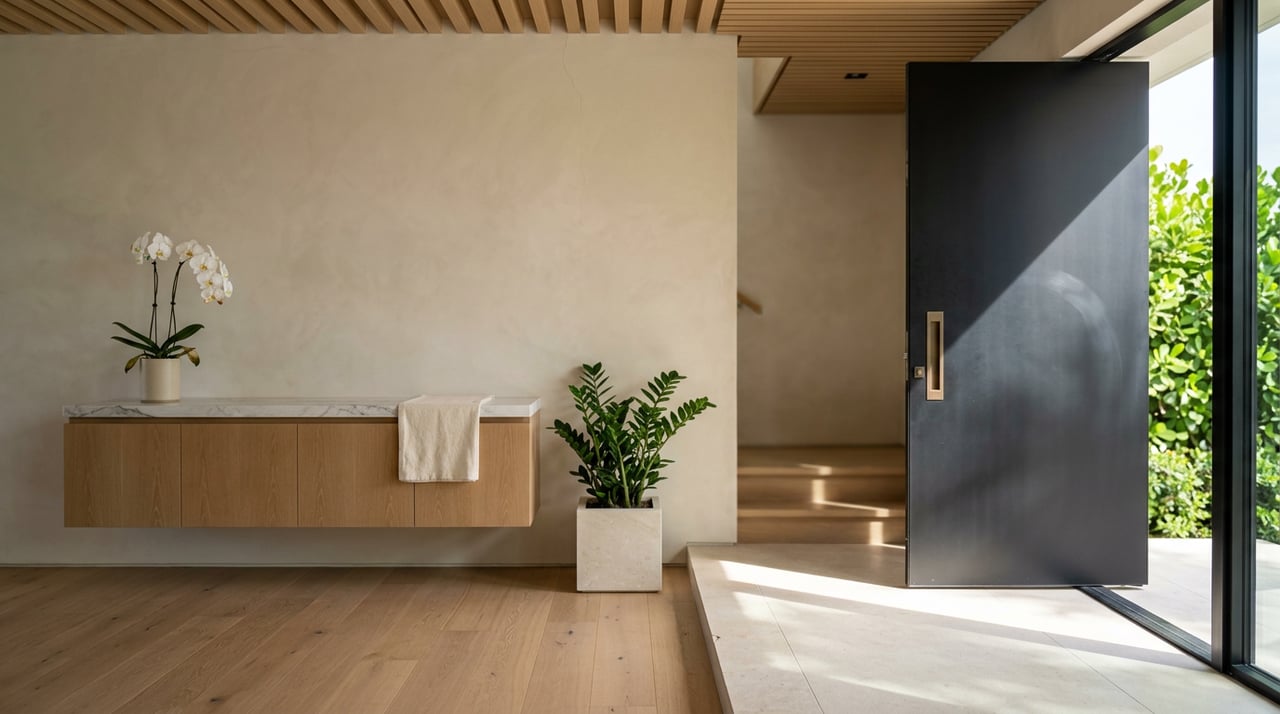
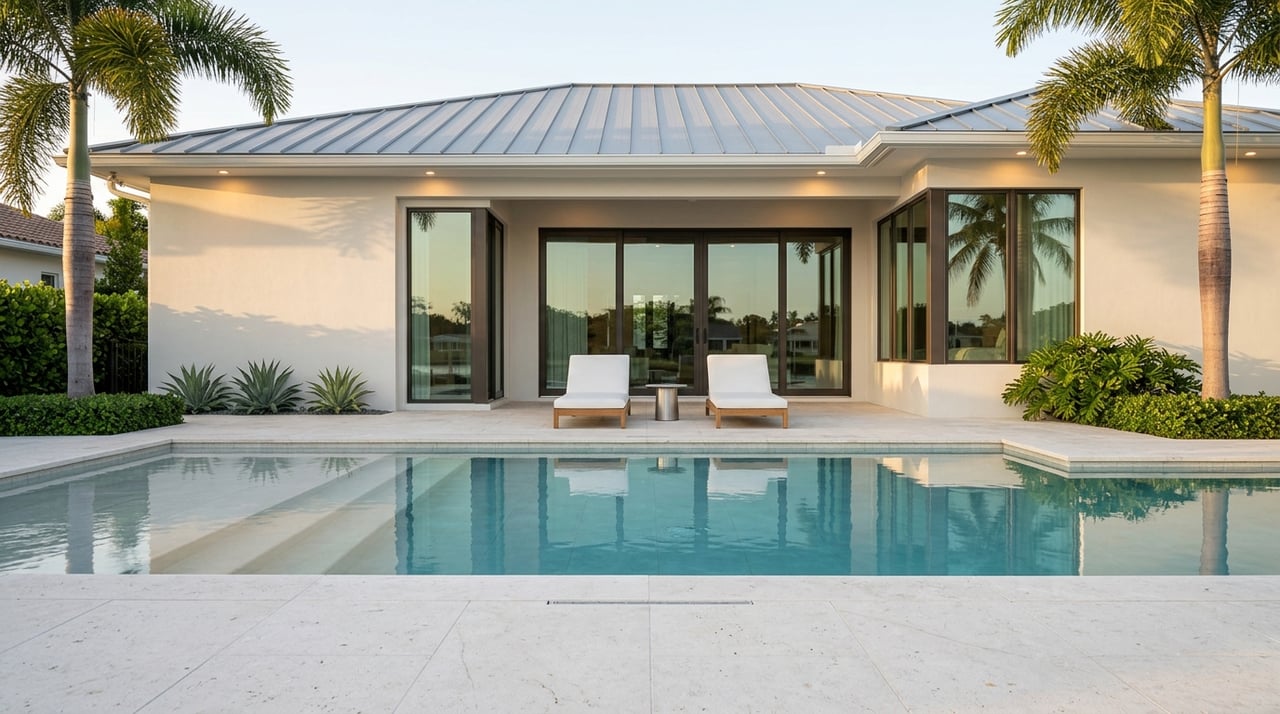
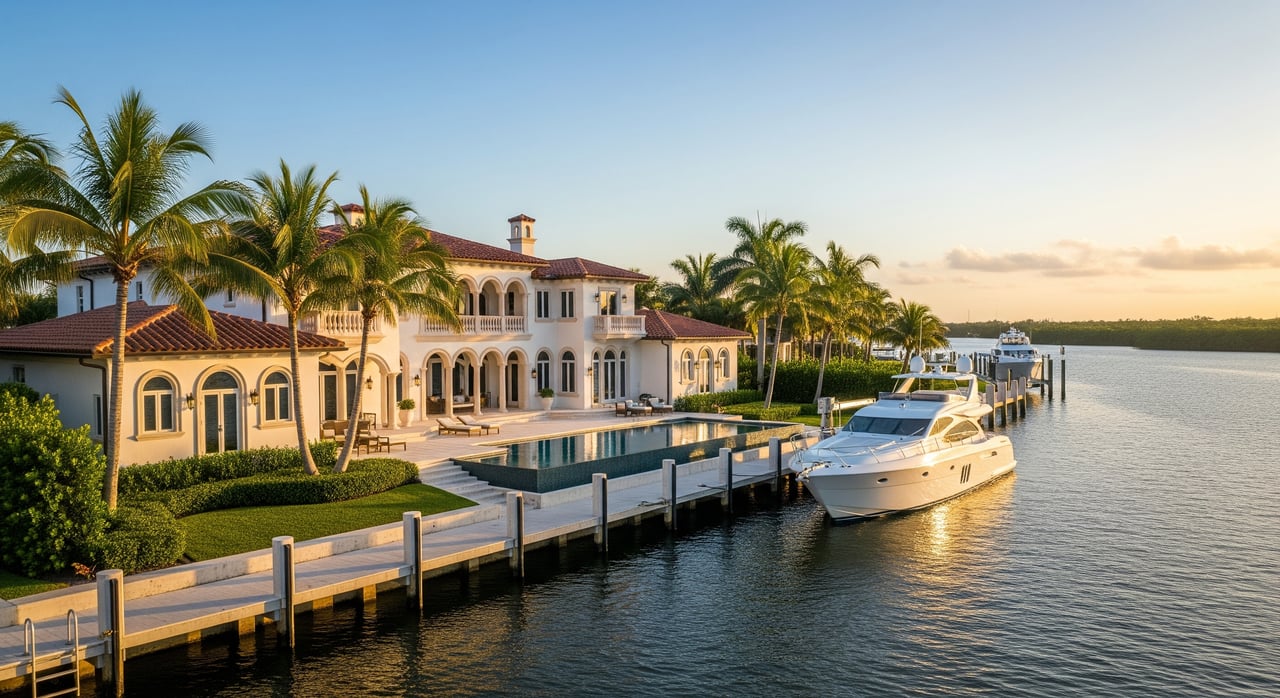
New construction offers a different kind of value in the same setting. If you love Old Naples for its location but prefer a more current layout and a simpler ownership path, a newer home may be the better fit.
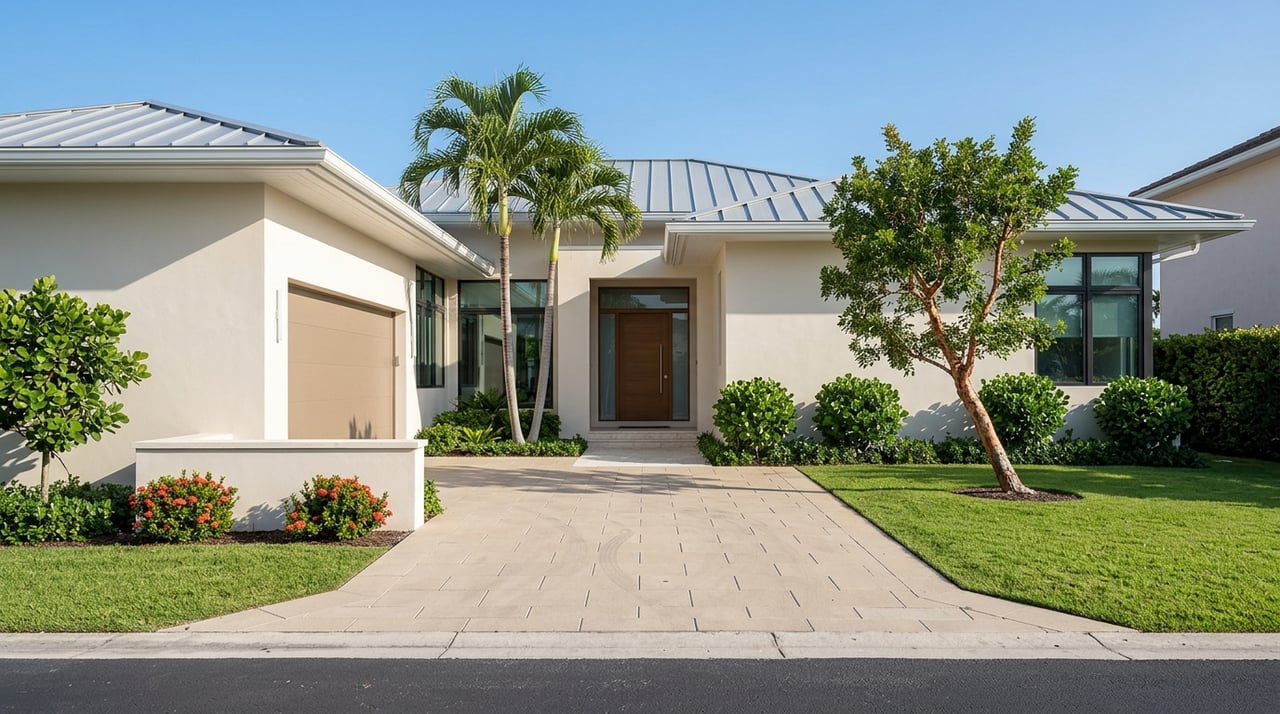
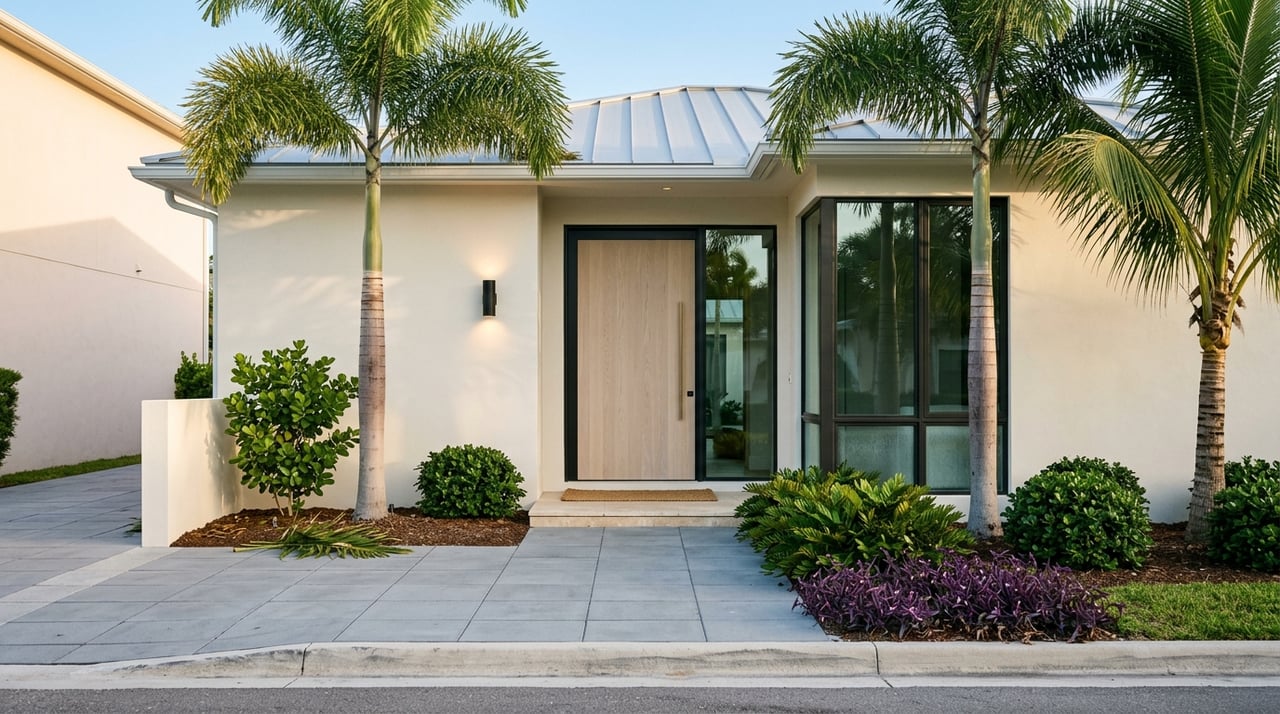
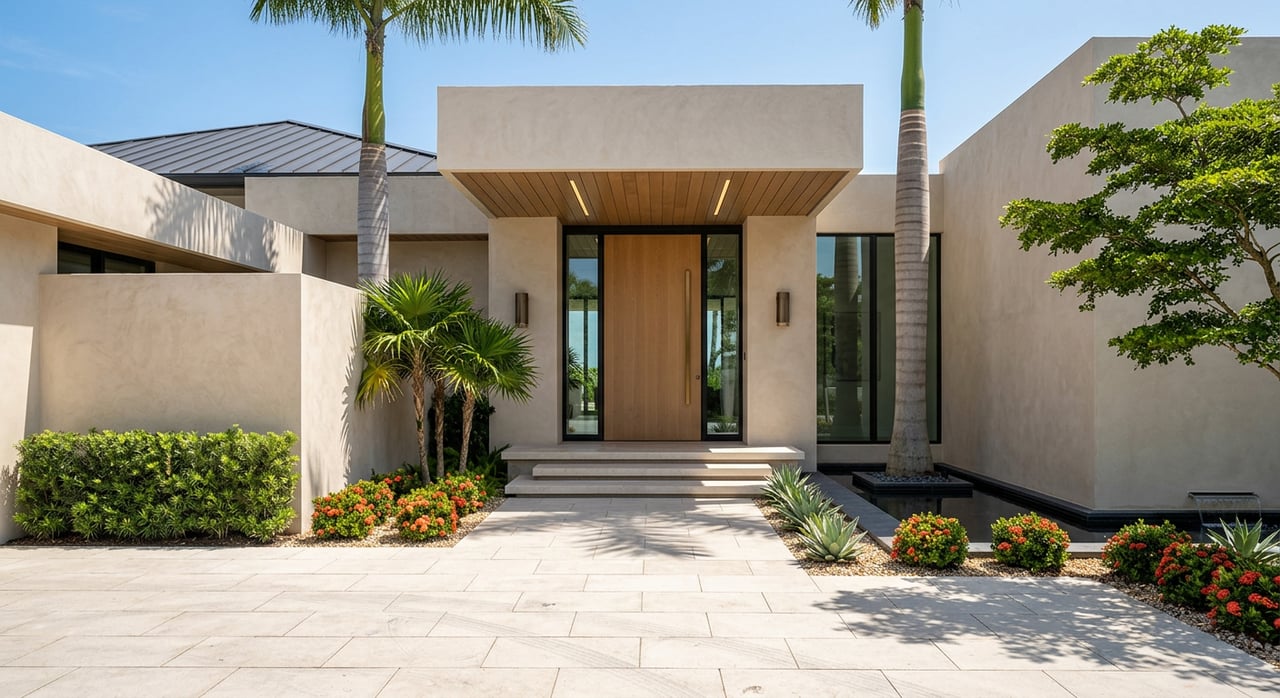
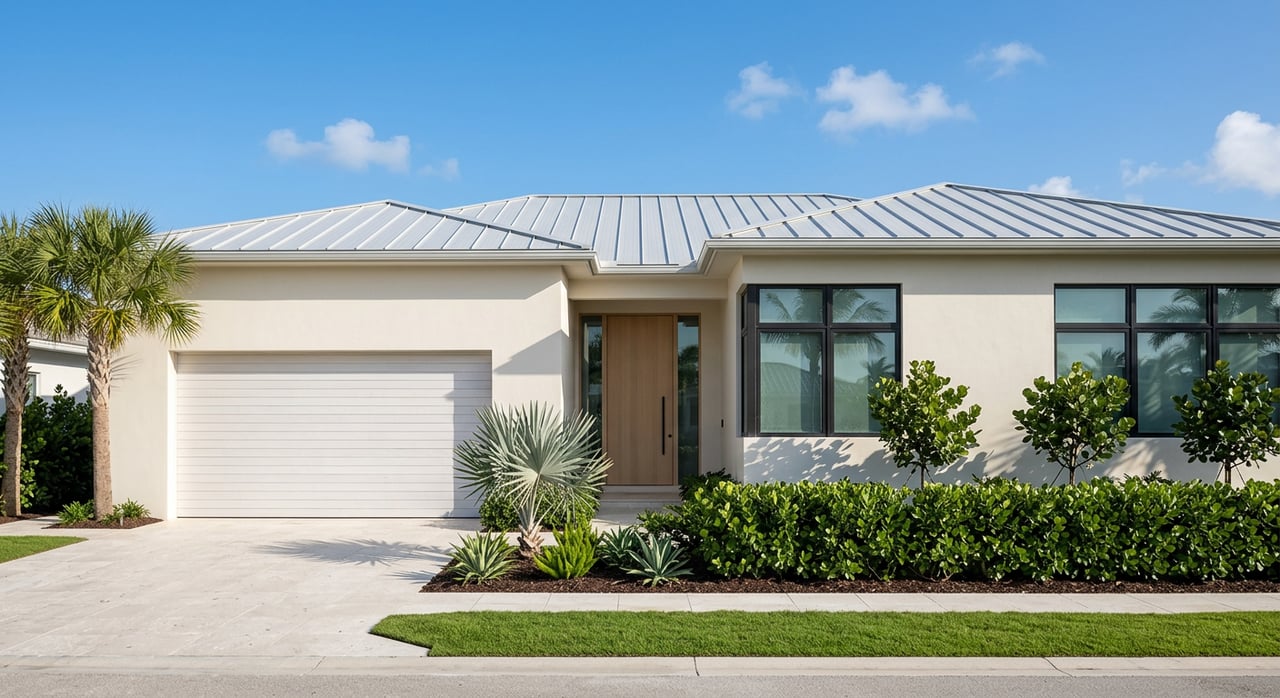
The City of Naples design handbook makes room for contemporary infill in established neighborhoods. It calls for compatibility with neighborhood character through scale, roof forms, materials, and proportions, but it does not require new homes to copy older ones exactly. In other words, a house can feel modern and still relate well to Old Naples.
A More Flexible Design Path
For most single-family homes, the city’s Design Review Board is not the main approval gate. The board applies to other property types and districts, while single-family zoning districts are generally not subject to that design review process.
That does not mean there are no rules. Zoning, building, and flood requirements still apply. Still, compared with the review path for a designated historic building, a new single-family home often gives buyers more flexibility to align the home with current lifestyles.
Site Planning Matters in Old Naples
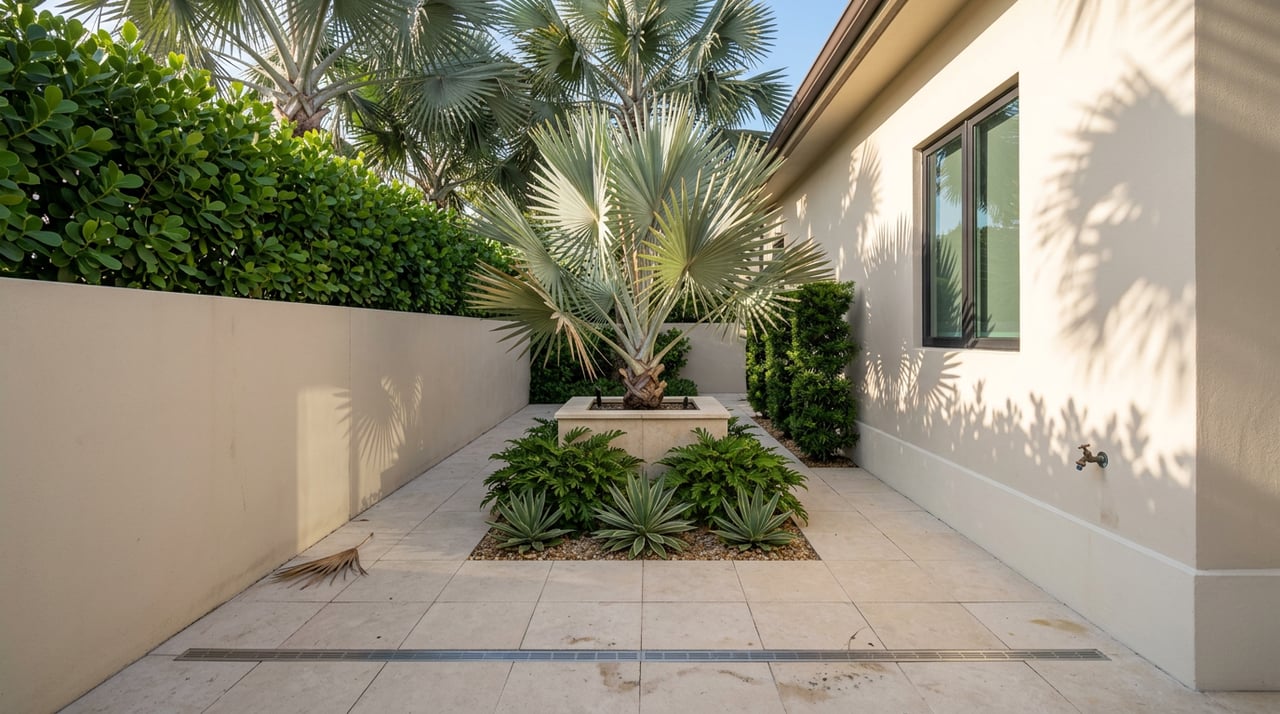
In this neighborhood, site function matters almost as much as the house itself. The city’s handbook emphasizes landscaping and building fronts along the street, with parking generally placed to the rear and alley access preferred where it exists.
That means you will want to look closely at how a property sits on the lot. Garage placement, access, setbacks, and overall scale can affect how well a home fits the street and how it lives day to day.
New Construction Pros and Tradeoffs
New homes in Old Naples often appeal for these reasons:
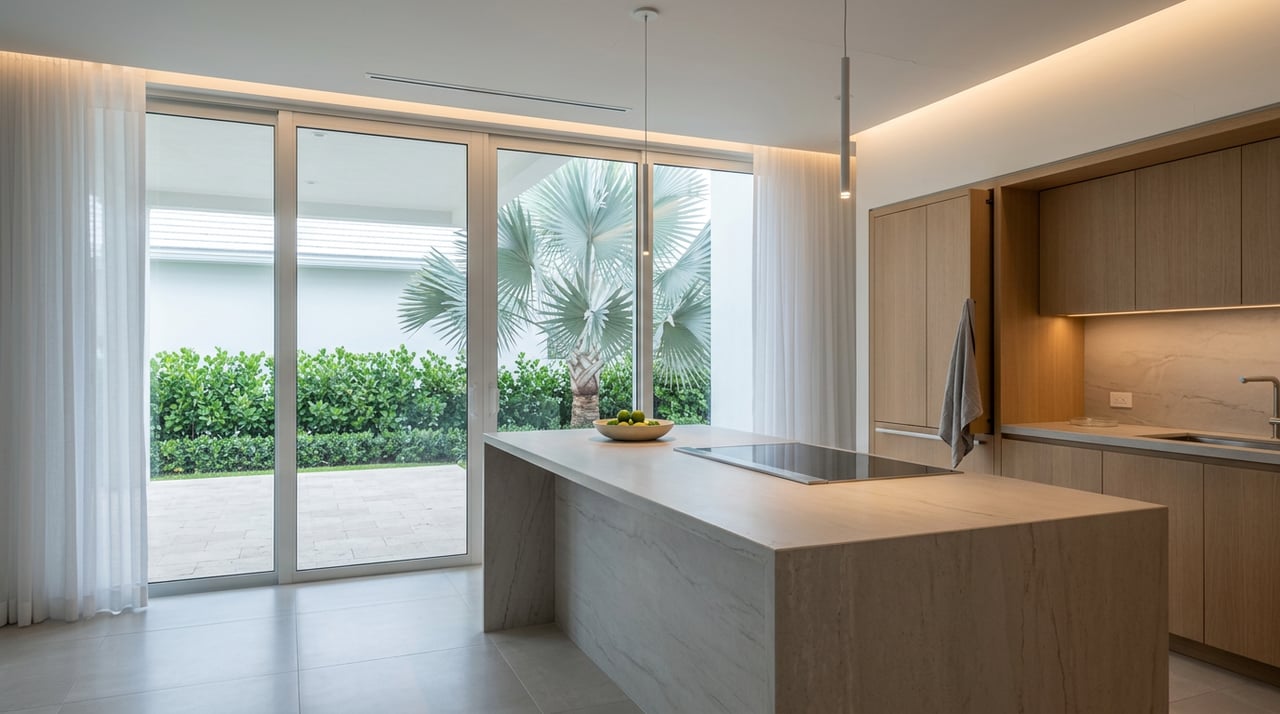
- More flexibility for contemporary floor plans and features
- A potentially more turnkey ownership experience
- Fewer preservation-specific constraints than a designated historic property
- Construction aligned with current code requirements, subject to city rules
Possible tradeoffs include:
- A newer home may feel less connected to Old Naples’ earliest residential fabric
- Design fit can vary from one property to another
- Lot layout and garage placement can have a major effect on curb appeal and function
Flood Zones Matter for Both Options
Whether you lean historic or new construction, flood-zone due diligence is essential in Old Naples. The City of Naples says the 2024 Flood Insurance Rate Maps are in effect for construction and insurance purposes.
The city also notes that AE and VE zones carry mandatory flood insurance purchase requirements and floodplain management standards. Buyers should verify the official parcel flood zone rather than rely on a neighborhood assumption or a general description of the area.
For historic buildings in flood hazard areas, the city points to mitigation measures such as elevation, flood openings, positive drainage, hardened roof structure, and flood-resistant materials. For new homes, elevation and flood compliance are also central considerations during planning and purchase review.
Beach Access and Daily Living
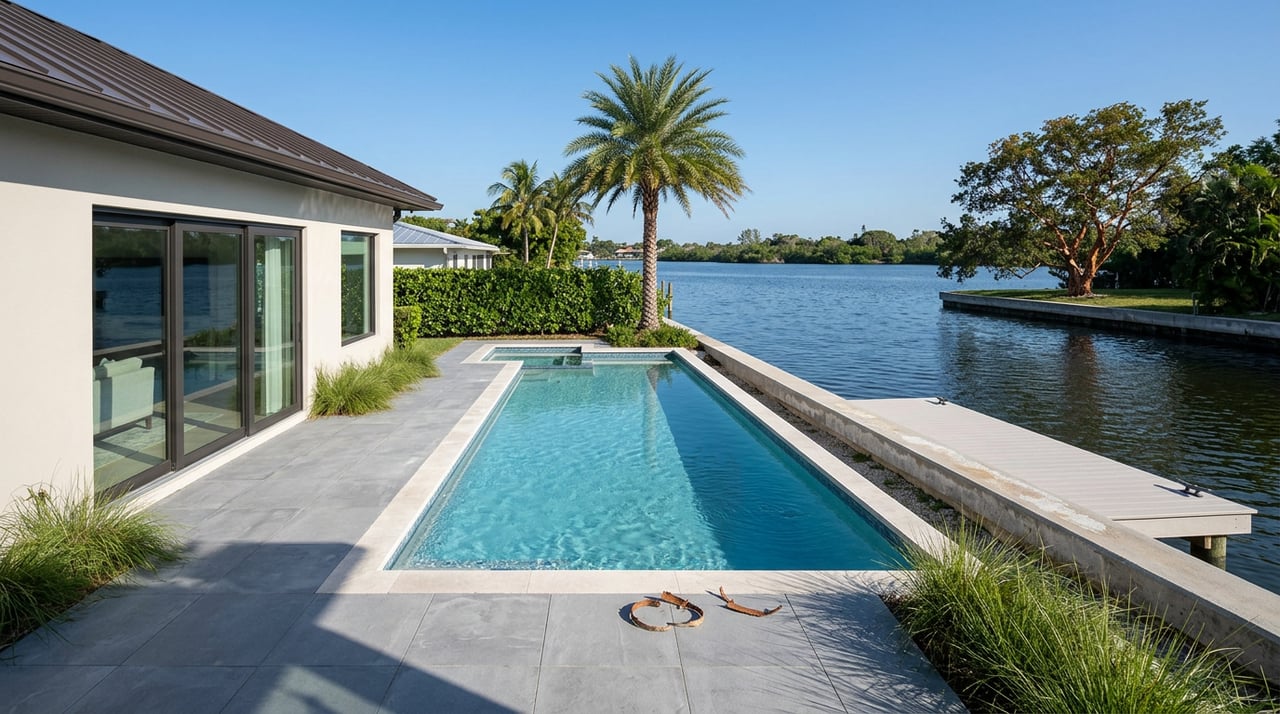
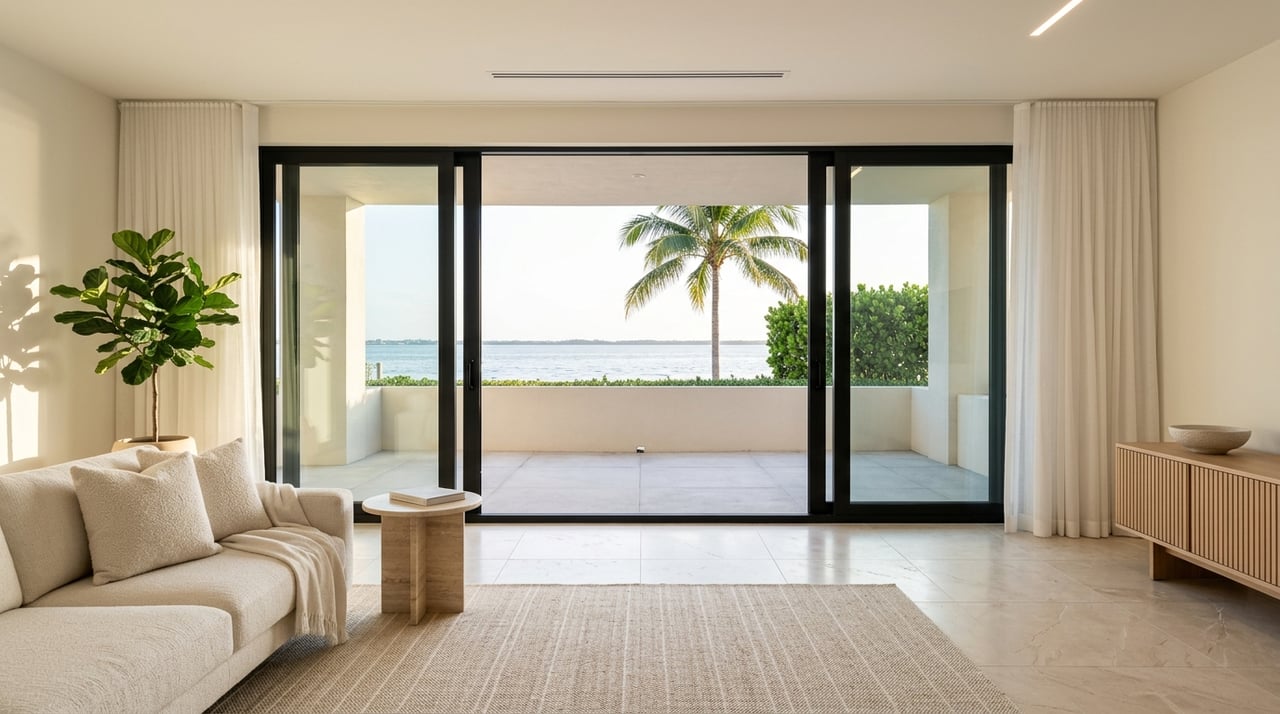
Part of the Old Naples lifestyle comes from how close you are to the shoreline and downtown destinations. Naples Pier sits at the west end of 12th Avenue South, and the broader neighborhood runs from Third Street South toward the beach.
That said, practical details matter. The city notes that beach parking requires a resident or visitor permit or pay-by-space. So while beach access is part of the appeal, it is best understood as convenient and managed rather than informal curbside access everywhere.
How to Decide Which Home Fits You
The best choice usually depends on how you want to live, not on whether one category is universally better. Old Naples offers two different kinds of value in the same neighborhood.
If you are deciding between the two, ask yourself:
- Do you want original character, even if updates may require more planning?
- Do you prefer a more turnkey, contemporary home designed around current living patterns?
- Is the property officially historic, or simply older?
- How does the site function, including parking access, frontage, and garage placement?
- What is the property’s official flood zone and what does that mean for ownership?
- How important is a stronger tie to Naples’ early residential fabric?
For many buyers, the answer becomes clear once those questions are on the table. Buyers who prioritize authenticity and are comfortable with specialized upkeep often lean toward historic cottages. Buyers who want contemporary flexibility and a simpler path to daily living often lean toward newer construction.
Smart Due Diligence Before You Buy
No matter which direction you prefer, a focused review can save you time and help you buy with confidence.
For a historic or older home, consider confirming:
- Whether the property is officially designated as historic
- Whether prior renovations received required approvals
- The parcel’s flood zone and any related mitigation considerations
- What future improvement plans are realistic under city requirements
For a new construction home, consider confirming:
- The parcel’s official flood zone and elevation details
- How the site plan handles parking and access
- Whether the scale and layout fit the surrounding street
- How the home balances modern design with neighborhood context
In a market as nuanced as Old Naples, those details can shape both your ownership experience and long-term satisfaction.
If you are weighing historic charm against new construction in Old Naples, the right guidance can make the process far more efficient. For discreet, neighborhood-specific insight tailored to your goals, schedule a private consultation with Karen Van Arsdale.
FAQs
Is every older home in Old Naples considered historic?
- No. Under City of Naples code, a home must meet specific historic-building criteria to fall under the formal historic review path.
Do historic homes in Old Naples require extra approval for renovations?
- Yes. If a property is officially considered historic, many types of work require review and approval by the Florida State Historic Preservation Office before city permit submittal.
Are new construction homes allowed to look modern in Old Naples?
- Yes. The city’s design guidance says new homes can remain contemporary while still relating to the neighborhood through compatible scale, materials, and proportions.
What flood-zone issues should buyers check in Old Naples?
- Buyers should verify the official parcel flood zone, since the city’s 2024 flood maps are in effect and AE and VE zones carry insurance and floodplain-management requirements.
Does walkability matter when choosing a home in Old Naples?
- Yes. The City of Naples has identified Old Naples as a pedestrian-priority area and has completed or planned crosswalk and sidewalk improvements in key locations.
What is the main difference between historic charm and new construction in Old Naples?
- Historic homes typically offer stronger architectural legacy and character, while new construction usually offers more contemporary flexibility and fewer preservation-specific constraints.