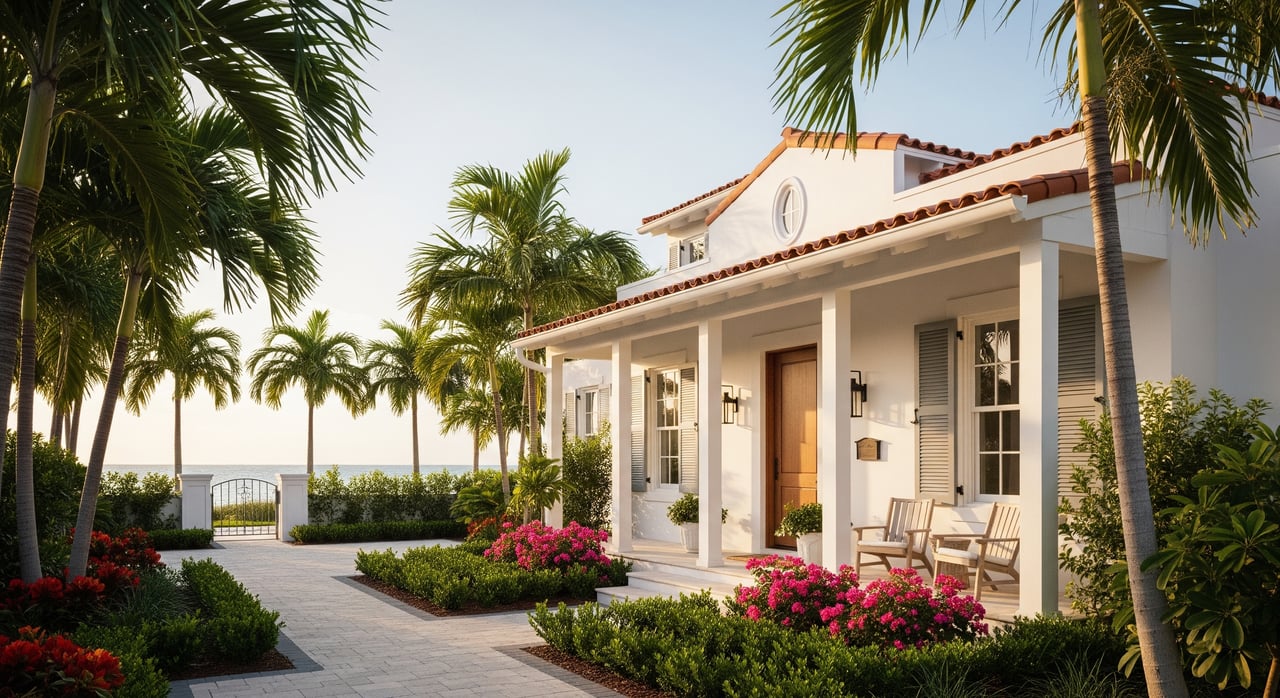
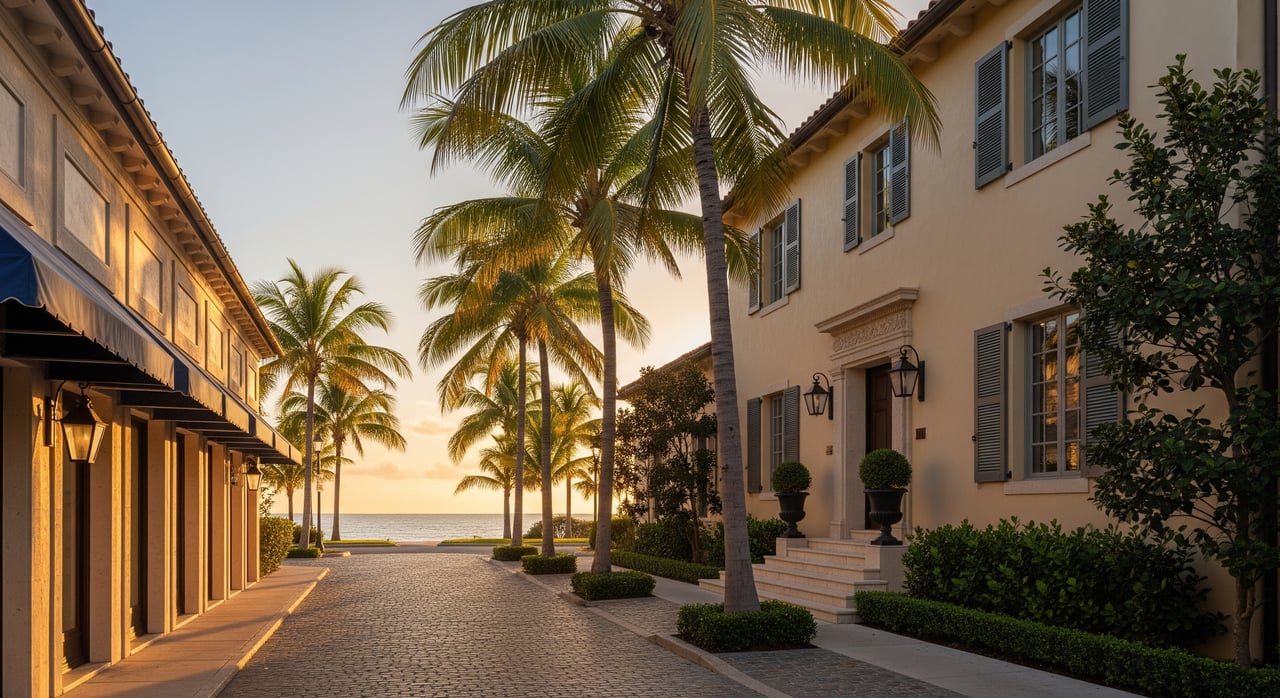
Walk the sand at the foot of 12th Avenue South this month and you will hear it before you see it. Pile drivers on an offshore barge, a trestle bridge running along the south side of the closed pier, and for the first time since Hurricane Ian tore through in 2022, actual concrete going into actual forms. Nearly four years after Ian, the Naples Pier rebuild finally looks like a construction project instead of a filing cabinet.
Most residents already know the pier is closed. What fewer people have pieced together is that when it reopens, one part of the daily ritual that made the pier the pier will not be coming back at all.
The summer the pier stopped being paperwork
For most of the past four years, "Naples Pier rebuild" meant council votes, FEMA applications, and engineering contract amendments. That changed this year. FEMA obligated funding in December 2025, and by March 2026 the City Council had signed off on the final design for the landside structures. Since then the City of Naples project page has read like an actual build log rather than a status update.
In April, crews deployed 59 concrete pilings at Wasmer Reef, expanding an artificial reef the city first established back in 2015, a practical way to give the old pier's removed materials a second life offshore rather than hauling them to a landfill. In May, Shoreline Foundation spent a month diving to clear buried pilings left over from the 1990s reconstruction, debris that had to come out before new pilings could go safely into the same footprint. By mid-June the crew had assembled a trestle, a bridge-like walkway on the pier's south side that lets work continue even when rough weather sends the offshore barges back to shelter. Then, on June 26 and again on July 9, Shoreline Foundation completed the first and second concrete pours for the pier's bents, the crossbeam-and-piling assemblies that will carry the new structure.
That is the real story of this summer. Not that the pier is closed, everyone already knows that, but that after years of paperwork, the physical pier is finally going back into the ground.
The detour you're probably already walking
The closure itself runs wider than the pier deck. Access is cut off to the pier, its stairs, restrooms, and showers, along with 12th Avenue South west of Gulf Shore Boulevard South. The pier parking lot at that intersection is down to its western third for public use, with the eastern two-thirds fenced for construction staging.
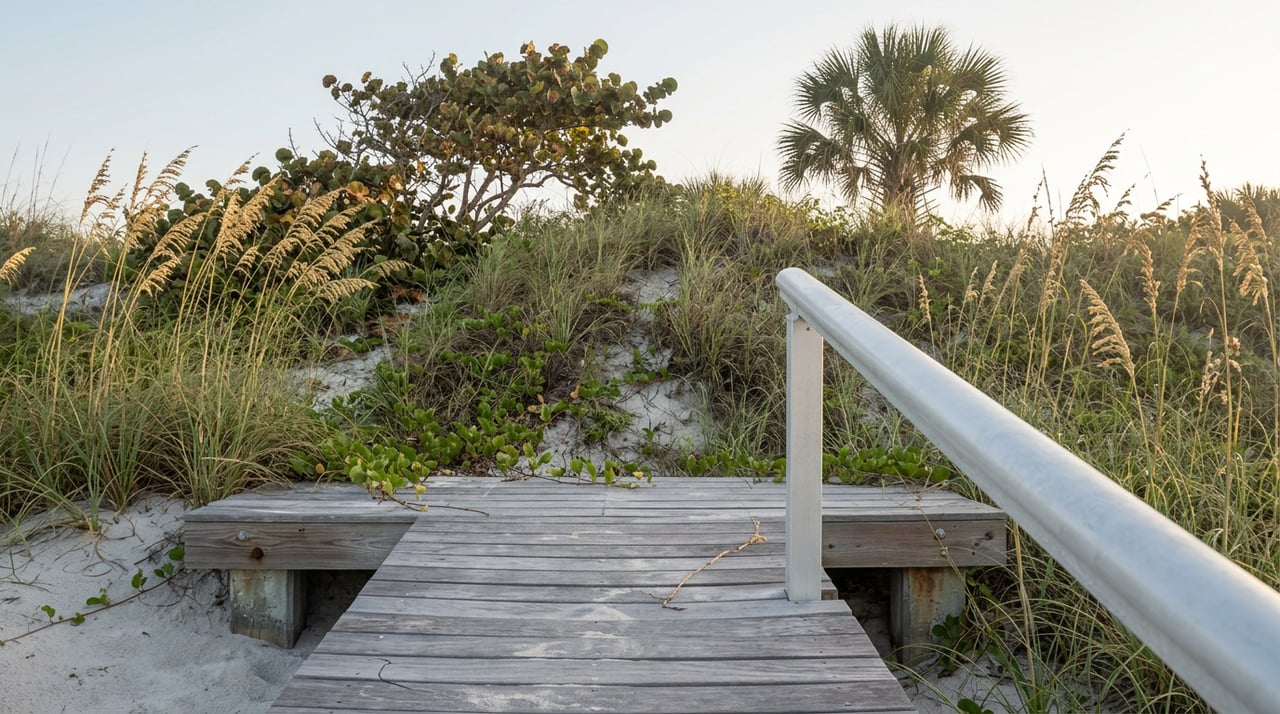
To keep beach access open through all of this, the city set up two pedestrian bypasses that will stay open for the length of the project:
- Broad Avenue South beach end, with restrooms on site
- 13th Avenue South beach end, also with restrooms on site
If your usual pier walk has quietly rerouted through one of these two streets, that is not an accident. It is the city's deliberate substitute for the closed 12th Avenue South corridor, and it is worth knowing both routes rather than defaulting to whichever one you found first, since parking pressure at the reduced pier lot has pushed more foot and bike traffic onto both bypass streets than either carried before the closure.
The rebuilt pier will stand at least three feet higher and carry an underwater camera for watching marine life. It will not sell you a hot dog.
What actually disappears when construction ends
Here is the part that catches longtime residents off guard. The Naples Pier has offered food concessions since 1946. Cosmos at the Pier held that lease starting in 2015, running roughly $100,000 a year in revenue for the city through pizza, hot dogs, drinks, and beach supplies, according to reporting by Gulfshore Business. Hurricane Ian destroyed that structure along with the shelter and much of the pier itself.
When the city reviewed the rebuild, two things happened. First, FEMA indicated that a permanent food concession built above the water would not be allowed under current risk guidelines. Second, the City Council had already spent a year reviewing survey results and public comment, and in July 2024 reached a consensus that a fixed concession was not necessary and could add congestion, noise, and odor for nearby residents. During the March 2026 design meeting, council member John Krol asked whether a dedicated spot for a mobile food truck might work instead. City Manager Gary Young's answer was straightforward: there is no room for a truck. The compromise that made it into the final design is a portable cart, nothing fixed, nothing with a kitchen.
Practically, this means the version of the pier that generations of Old Naples residents grew up with, walk to the end, grab a slice or a hot dog, sit and watch the water, is not part of the rebuild. The walk will still be there. The structure will be sturdier than before. The snack stop, in its old form, will not.
The rest of the redesign, in plain terms
Beyond the concession decision, the new pier carries several changes worth knowing before it reopens. The deck will sit at least three feet higher than the current elevation, a direct response to the storm surge that took out 460 feet of the old structure, including roughly 140 feet at the end that sank into the Gulf along with more than 30 pilings. The new design also uses fewer pilings with wider spacing, a choice made to reduce the structure's environmental footprint on the seafloor beneath it.
Restrooms are being reorganized rather than simply rebuilt. The north entry restroom will now include a small beach patrol office with its own bathroom and a family restroom, the old rear changing room becomes pier storage, and the south side restroom gains an added shade structure with benches outside. An underwater camera near the pier will let visitors watch marine life without needing binoculars or luck, a nod to the dolphins and stingrays that regularly pass through this stretch of Gulf between April and June.
One more detail worth knowing if you or your family ever dedicated a bench: many of the pier's benches were damaged in the storm, but salvageable ones were removed before demolition and are being stored by the city. Plaque owners looking to reclaim their bench, or with questions about the program, can reach out to Roxanne Nieto in the city's Community Services department. The plaques themselves, mounted on one of the pier's facility buildings, are staying in place through construction and are not expected to move once the project wraps.
When it actually reopens
Here is where residents should read carefully, because the public record contains two different answers. An engineering contract amendment approved in December 2024 set a target completion date of November 15, 2026. That estimate predates the actual start of construction. Demolition did not begin until January 5, 2026, and the city's own project description calls for roughly 18 months of construction from that groundbreaking, which points to a reopening somewhere around the middle of 2027, not late 2026.
Treat the earlier date as superseded. The more reliable frame is the 18-month window from January 2026, and even that comes with the usual caveat for a project already stretched by permitting delays: weather, offshore barge scheduling, and federal approval processes can all still move the date. For the most current status, the city's project page is the source to check before making any plans around it.
For now, the pier itself stays a fenced work site, and the beach beneath it stays open, sunset and all. What changes is what waits at the other end once the fence comes down. A stronger structure, a longer view, a camera watching the water beneath your feet. Just don't plan on a slice of pizza at the end of the walk.
If you're weighing what a summer like this means for property near the water in Old Naples, or simply want a clearer read on how a neighborhood's daily rhythms shift around a project like this, Karen Van Arsdale has spent decades watching Old Naples change one project, one season, at a time. Schedule a private consultation to talk through what you're seeing on the ground.