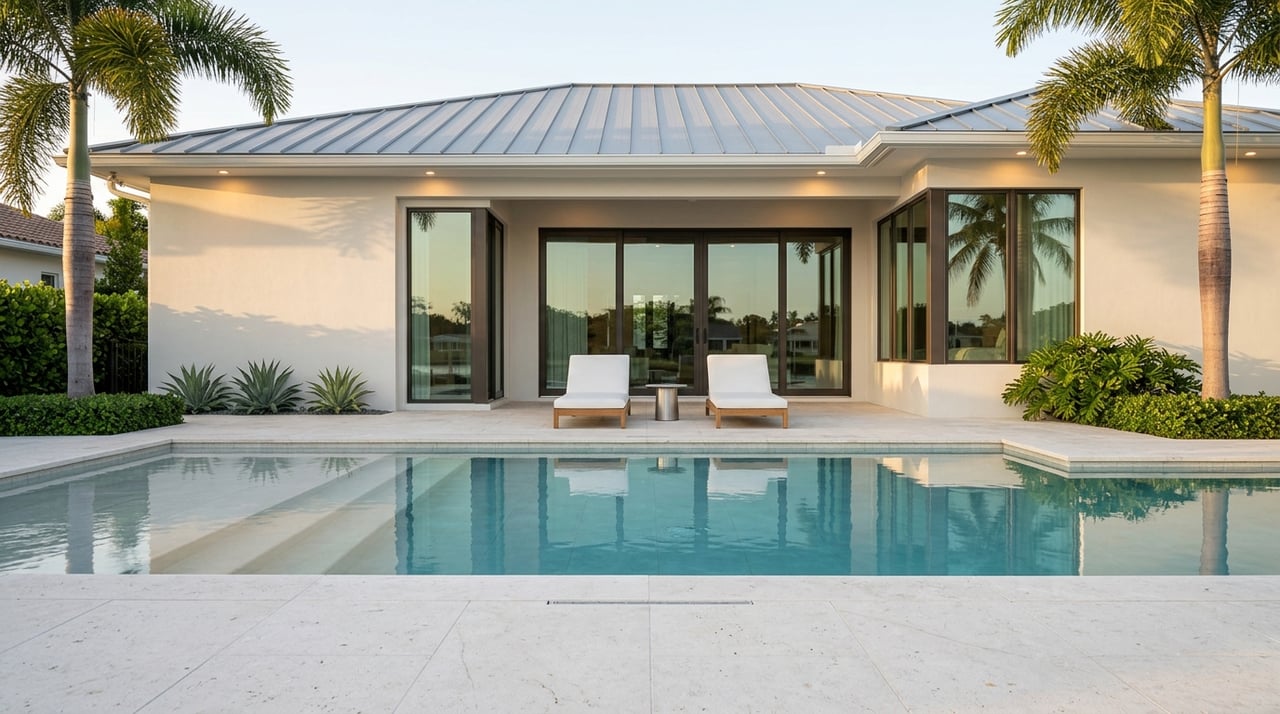
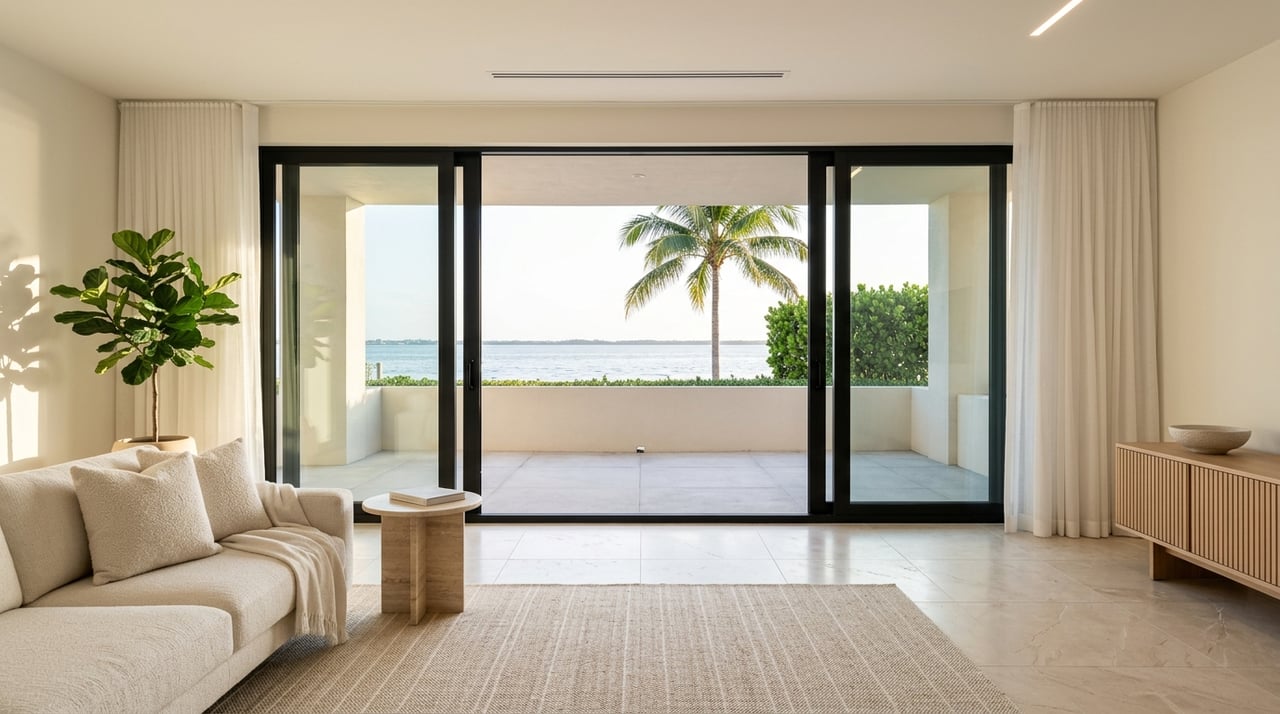
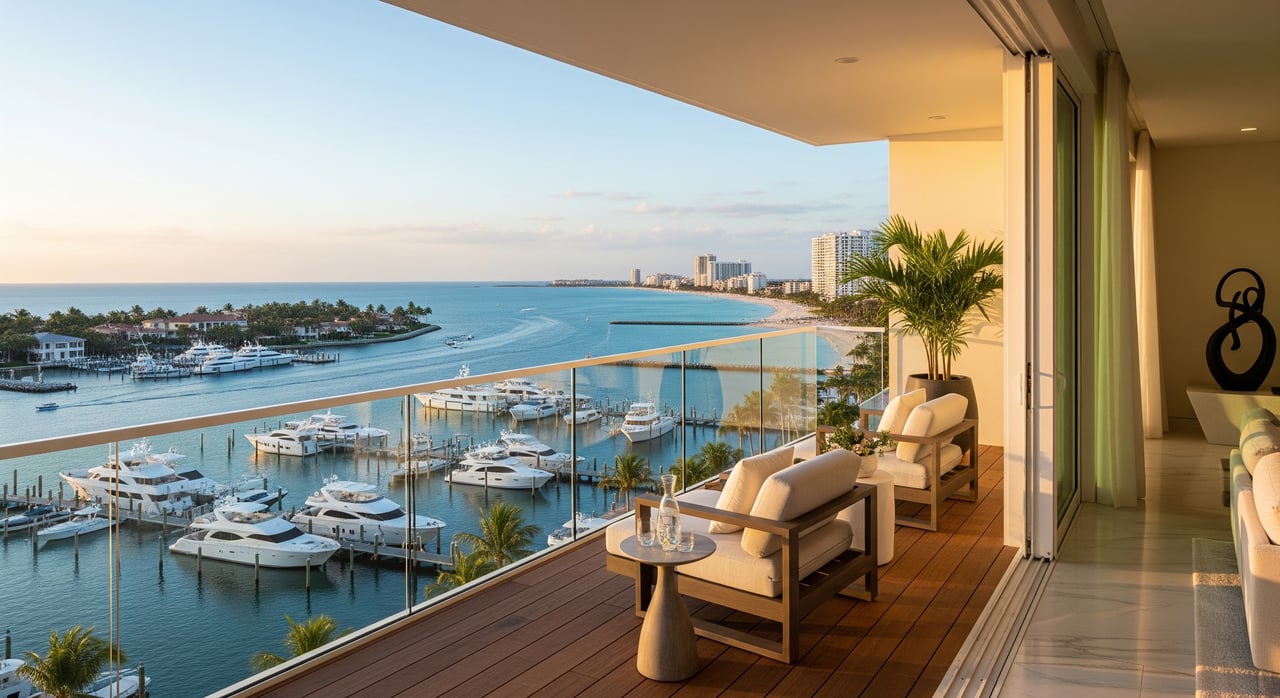
On January 6, 2026, a penthouse at Vistas at Park Shore closed for $1.6 million. Two bedrooms, gulf views from the eighth floor, nothing rare about the floor plan. What made the listing worth reading closely was the paragraph about the building itself: the association had already completed its state-mandated milestone inspection and structural integrity reserve study, and because the board had funded reserves responsibly for years, no special assessment was needed to meet what the study recommended.
That sentence is the whole story of Park Shore's condo market in 2026. Somewhere else in the same zip code, a buyer is looking at a similar unit, similar price, similar view, and finding out the building's board spent two decades voting to keep dues artificially low. The bill for that decision has now come due, in a lump sum that can run into six figures per unit. Same neighborhood, same era of construction in some cases, two entirely different ownership costs. The median price on a portal search shows none of it.
The Law That Made 2026 the Year the Bill Came Due
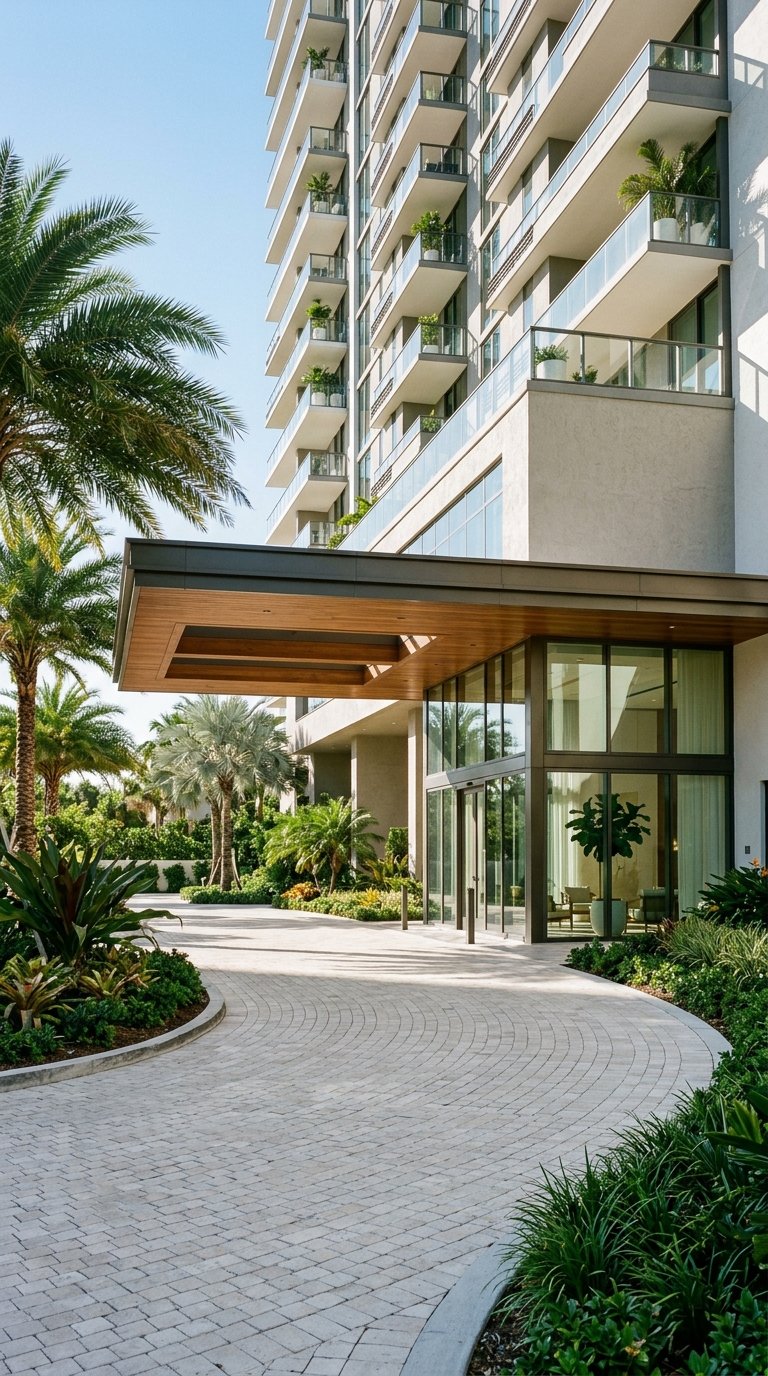
Park Shore's condo stock is old enough for this to matter everywhere. According to the Park Shore Association, the neighborhood was platted in 1964 as Florida's first planned unit development, and today it holds more than 3,590 condo units across 25 high-rise buildings plus several mid-rise properties. The high-rise wave started with Horizon House in 1972 and ran through Le Parc in 1990, with later additions like Provence arriving in 2000 and Aria in 2006.
Florida's post-Surfside reforms, Senate Bill 4-D and its follow-on legislation, apply to any residential condominium building three habitable stories or taller. In Naples, buildings within three miles of the coastline sit on a 25-year milestone inspection timeline rather than the standard 30, which means most of Park Shore's beachfront towers passed that trigger years ago. Every qualifying association also has to complete a Structural Integrity Reserve Study, and here is the detail buyers miss: the SIRS requirement is triggered by a building's height, not its age. A tower finished last year needs one on file just as much as one from 1972. Aria, Park Shore's newest high-rise, was never exempt.
The compliance calendar closed two gaps this year. Associations existing on or before July 1, 2022 had to complete a SIRS by December 31, 2025. Boards whose budgets were adopted before December 31, 2024 had one last chance to vote to waive or underfund those reserves, but every association covered by the law had to start actually funding its SIRS reserves on January 1, 2026, waiver or not. That is the mechanism behind the Vistas listing language. Some boards had already been funding on schedule for years, so the January 1 deadline changed nothing for them. Others had been waiving for a decade or more, and the deadline turned a deferred cost into an immediate one.
What "Disciplined" Actually Looks Like on a Closing Statement
The Vistas outcome is not a fluke of a newer building or a smaller association. It is what happens when a board treats the reserve schedule as a real number every year instead of a line item to vote away. Statewide, buildings that took the opposite path, waiving reserves through multiple budget cycles while salt-air corrosion and deferred concrete work accumulated, have produced special assessments ranging from $10,000 to well over $100,000 per unit once the milestone inspection and SIRS finally forced the issue.
Age did not decide which side of that line a given building landed on. Governance did. A tower built in 1978 with a board that funded honestly produces a quiet 2026. A tower built in 2000 with a board that waived every year it could produces a special assessment notice in the mailbox. This is the variable a listing photo cannot show and a price-per-square-foot comparison cannot capture, and it is exactly the kind of thing that should change how a serious buyer shops a shortlist of towers rather than a single neighborhood.
Here is a way to think about what separates the two outcomes before you ever see a number:
| Signal | Reserve-funded building | Reserve-deferred building |
|---|---|---|
| SIRS status | Completed, on file, reserves already being funded | Completed late under deadline pressure, or funding just starting |
| Recent board votes | No history of waiving or underfunding reserves | Multiple years of waived or reduced reserve contributions |
| Special assessment history | None recently, or fully paid and closed out | New assessment issued, or one clearly coming |
| Resale certificate turnaround | Routine, delivered on the usual timeline | Delayed while the association updates financials |
| Lender treatment | Building reads as warrantable for conventional financing | Risk of landing on a non-warrantable list, narrowing the buyer pool to cash |
That last row matters even if you are paying cash. A building that lenders flag as non-warrantable shrinks its own future resale pool, since your eventual buyer may need financing you never needed.
Why the Median Doesn't Show You Any of This
NABOR's March 2026 report on the Naples Beach submarket, which covers zip codes 34102, 34103, and 34108, showed a divergence worth sitting with. The single-family median in that submarket fell 11.4% year over year to $3,034,500. The condo median over the same period actually rose 2.7% to $1,220,000. Zip code 34103, which covers Park Shore and the Moorings, posted the sharpest acceleration in closed transactions of any tracked area, up 108.8% year over year.
None of that is proof about any single building. But it is consistent with a market where buyers have started pricing building-level financial health as its own variable, separate from location or finish. If troubled buildings were dragging the whole condo segment down, you would expect the condo median to fall alongside single-family. Instead it held and even gained ground, which fits a market where clean-paperwork buildings are commanding real premiums while buyers route around the ones carrying assessment risk, rather than a market where every condo took the same hit.
The Documents That Tell You Which Side of the Line You're On
Before an offer goes in on any Park Shore tower, ask for five things:
- The milestone inspection report and the inspector's summary
- The current Structural Integrity Reserve Study
- The reserve funding schedule alongside the last two years of adopted budgets
- Board meeting minutes from the past 12 to 24 months
- Any special assessment notices, past or pending, and confirmation of whether prior assessments have been fully paid
Florida law entitles a prospective purchaser to the condominium's declaration, current financial statements and budget, the SIRS or a written statement that none has been completed, and the milestone inspection summary where one applies, all of it made part of the official record and provided before closing. The review window got longer this year too. Effective for contracts signed on or after July 1, 2025, the cancellation period for resale buyers extended from three days to seven business days after these documents are delivered, giving buyers meaningfully more time to actually read what they're being handed before they're bound.
Read the board minutes for what they don't say as much as what they do. A board that has been quietly discussing an upcoming concrete restoration or an elevator modernization for three meetings running is telling you where the next assessment is likely to land, months before it becomes a public notice.
A Short FAQ
Does this affect single-family homes in Park Shore too? No. The milestone inspection and SIRS requirements apply to condominium and cooperative buildings three habitable stories or higher. Single-family buyers in Park Shore have their own diligence list, centered on flood zone status and insurance cost, but it is a separate one from what a condo buyer needs.
If a building is newer, can I skip the paperwork? No. The SIRS obligation is triggered by height, not the year a certificate of occupancy was issued. Ask for the study regardless of whether the tower went up in 1978 or 2006.
Is a low HOA fee a good sign? Historically, in Naples and statewide, a fee that stayed unusually low for years often meant a board was voting to waive or underfund reserves rather than running an efficient building. 2026 is largely the year that practice stopped being legal, and the buildings that relied on it are the ones now catching up all at once.
The building matters more than the view this year, and the only way to know which building you're actually buying into is to read the paperwork before the offer, not after. If you're comparing specific Park Shore towers and want someone who can pull that stack of documents and tell you what it actually means for your carrying cost, Karen Van Arsdale can walk through it with you. Schedule a private consultation before you write the next offer.