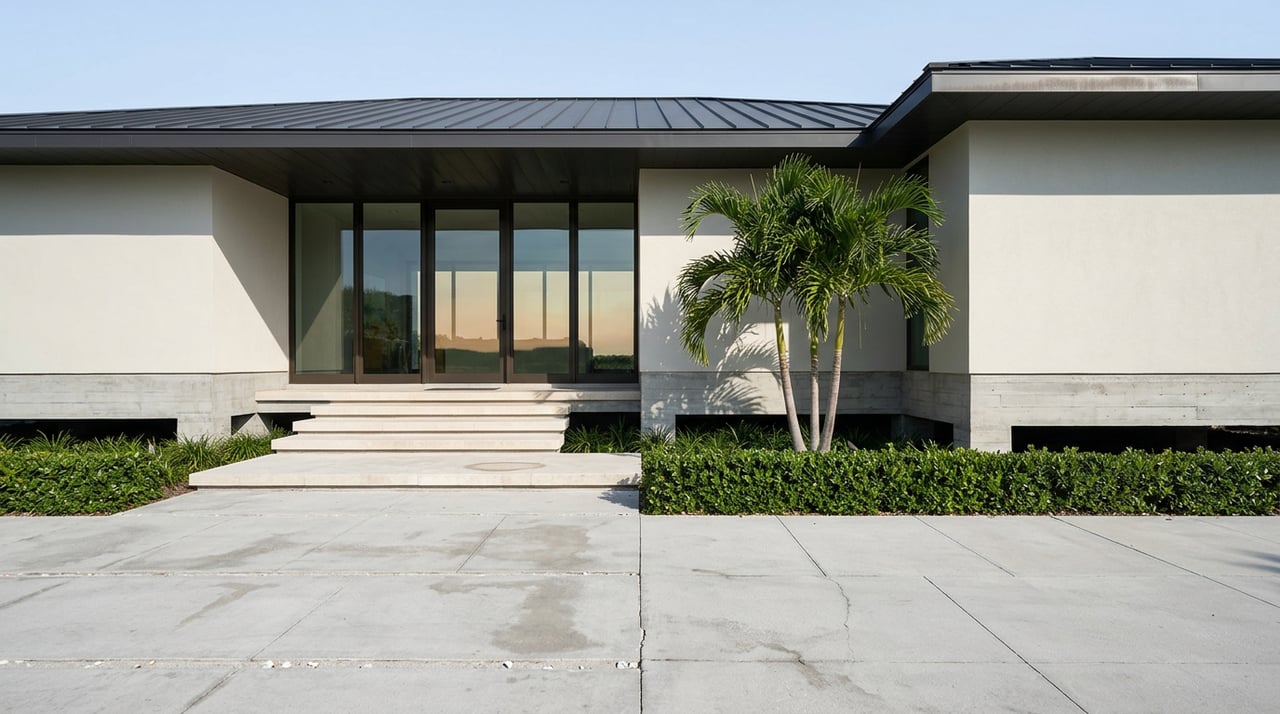
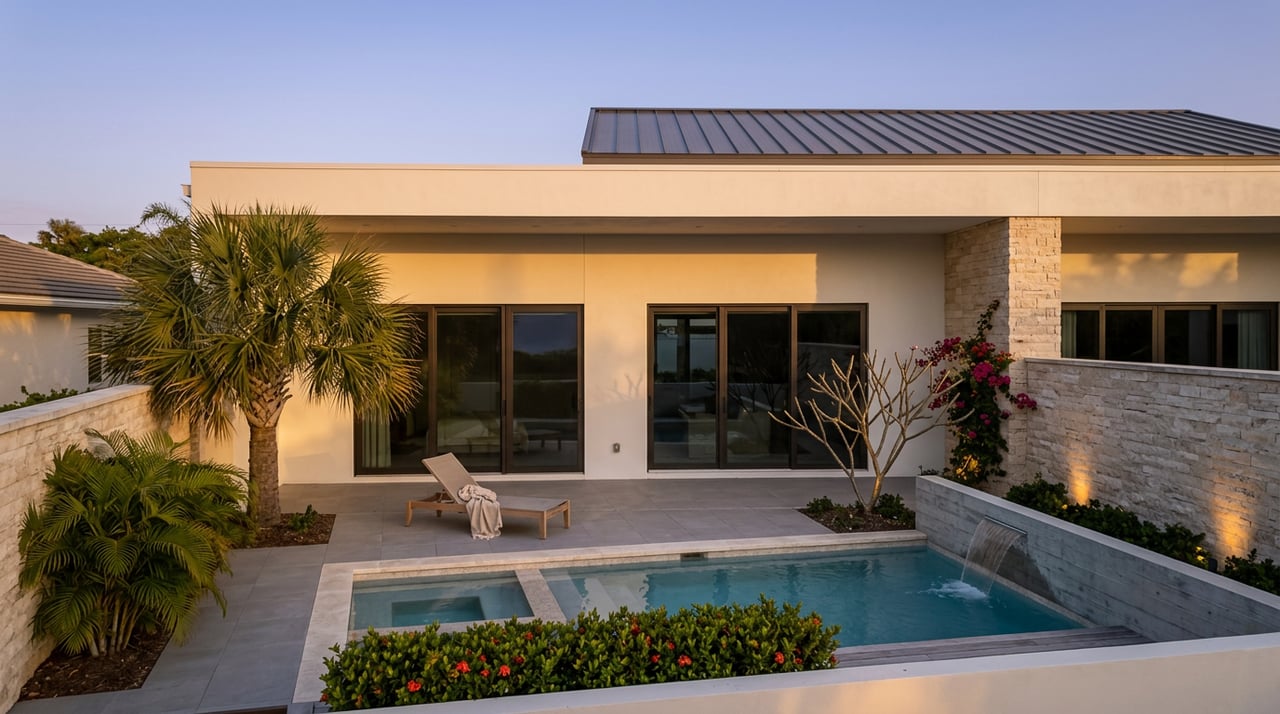
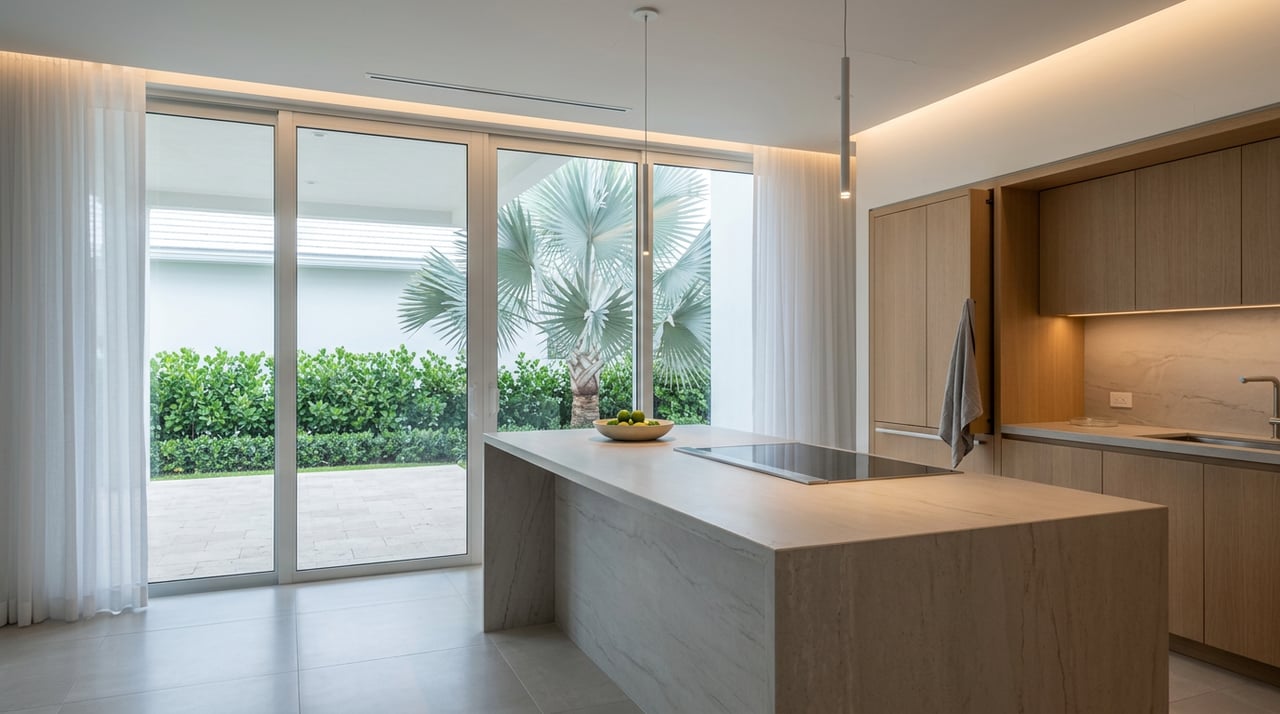
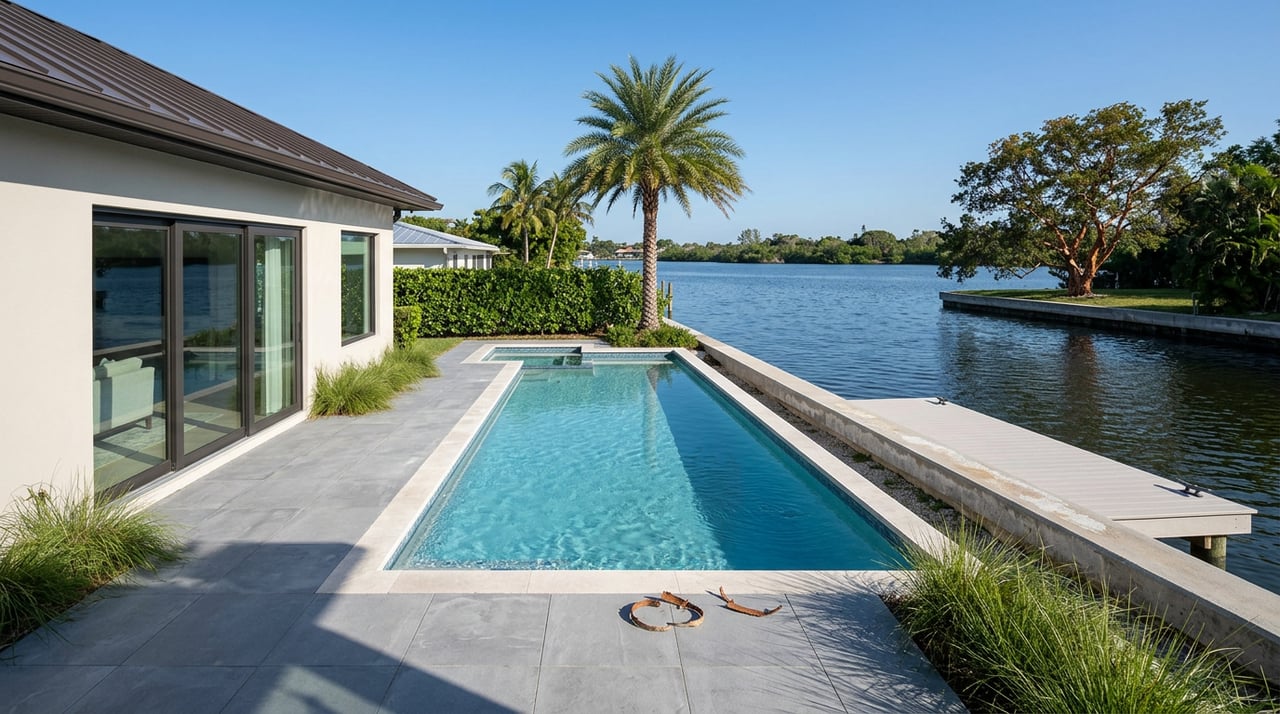
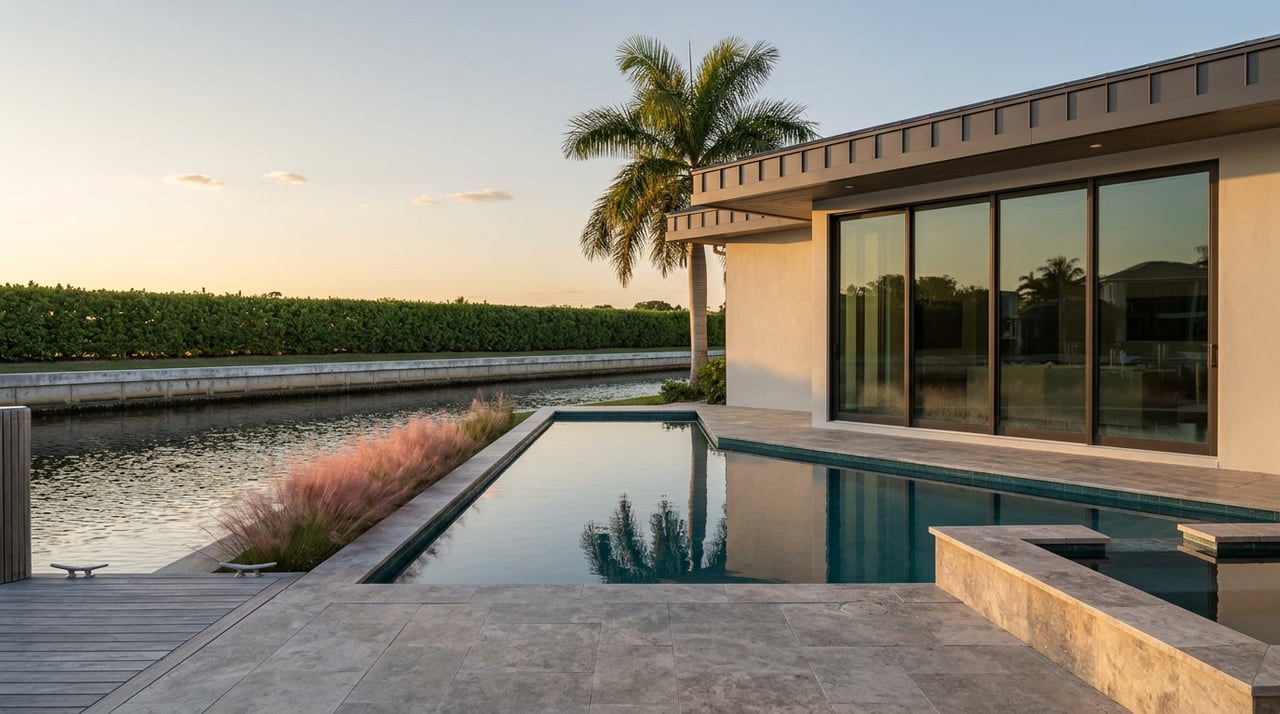
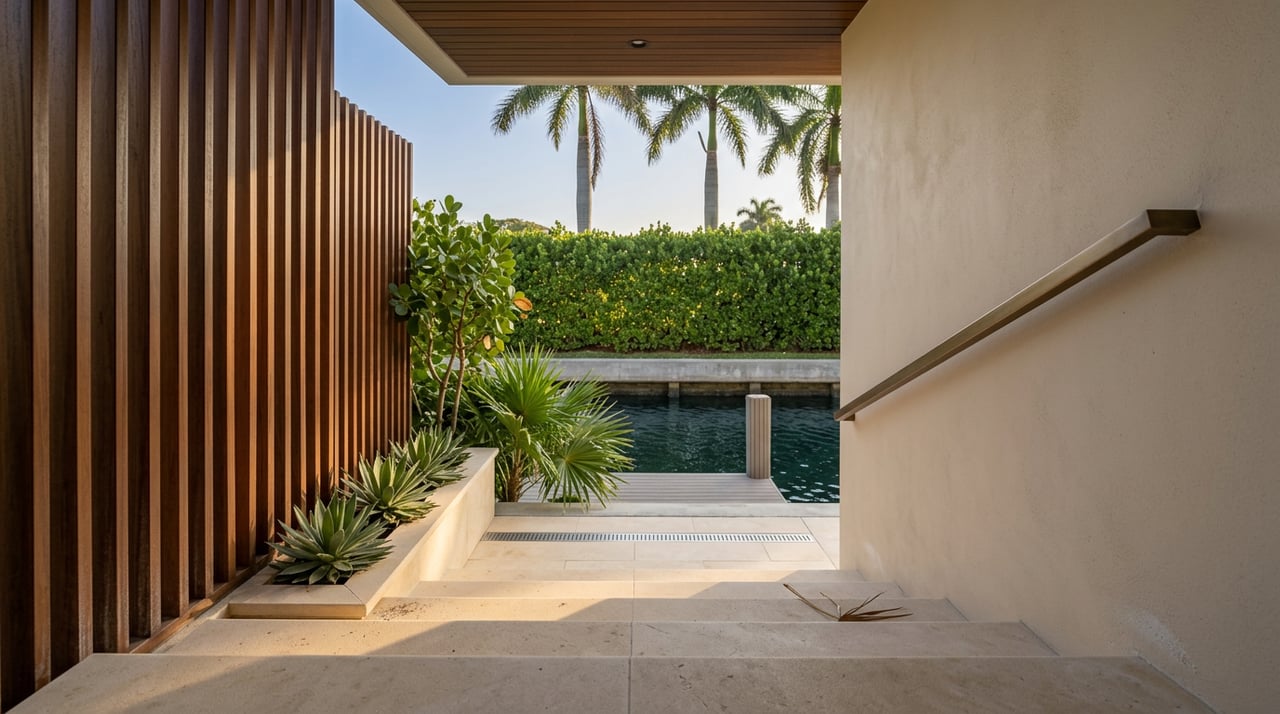
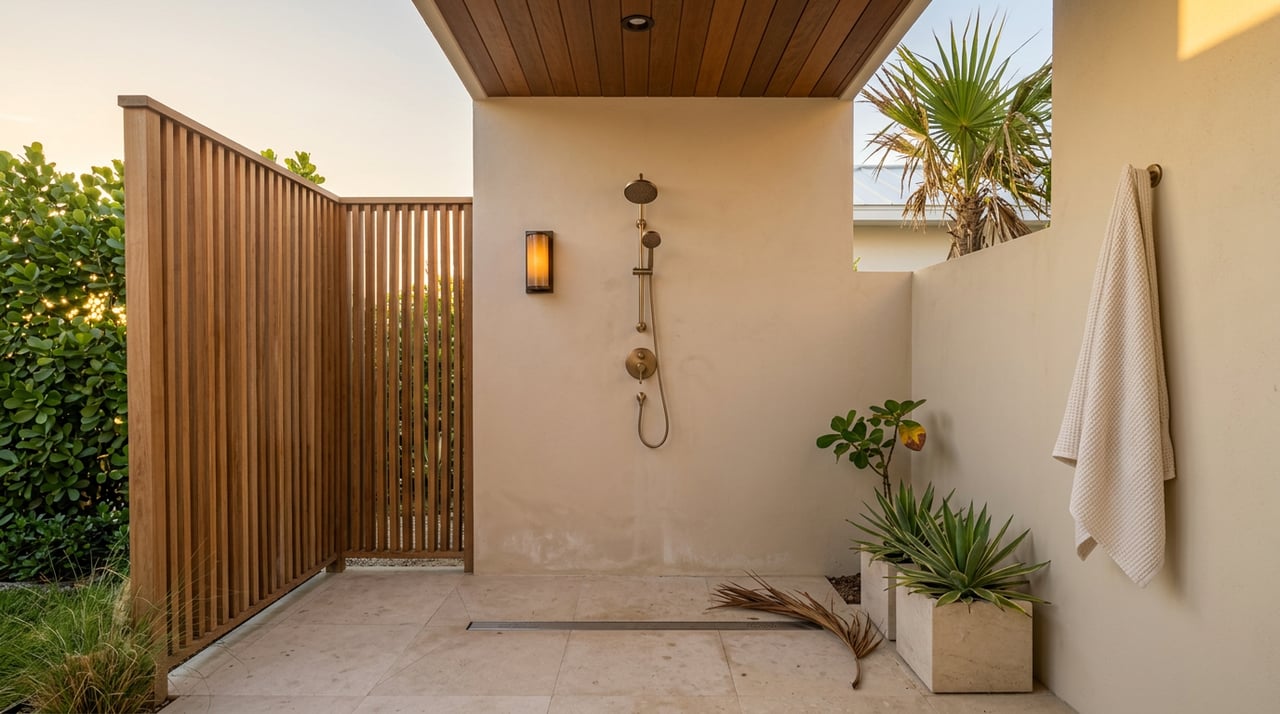
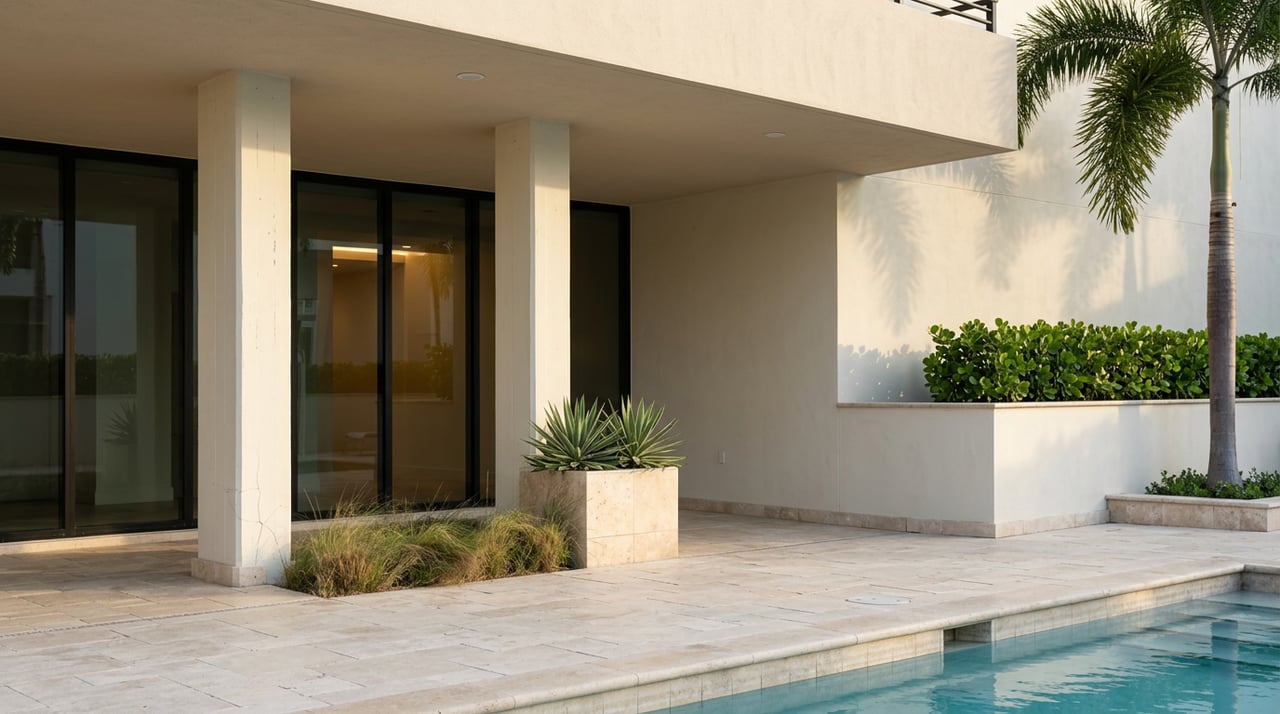
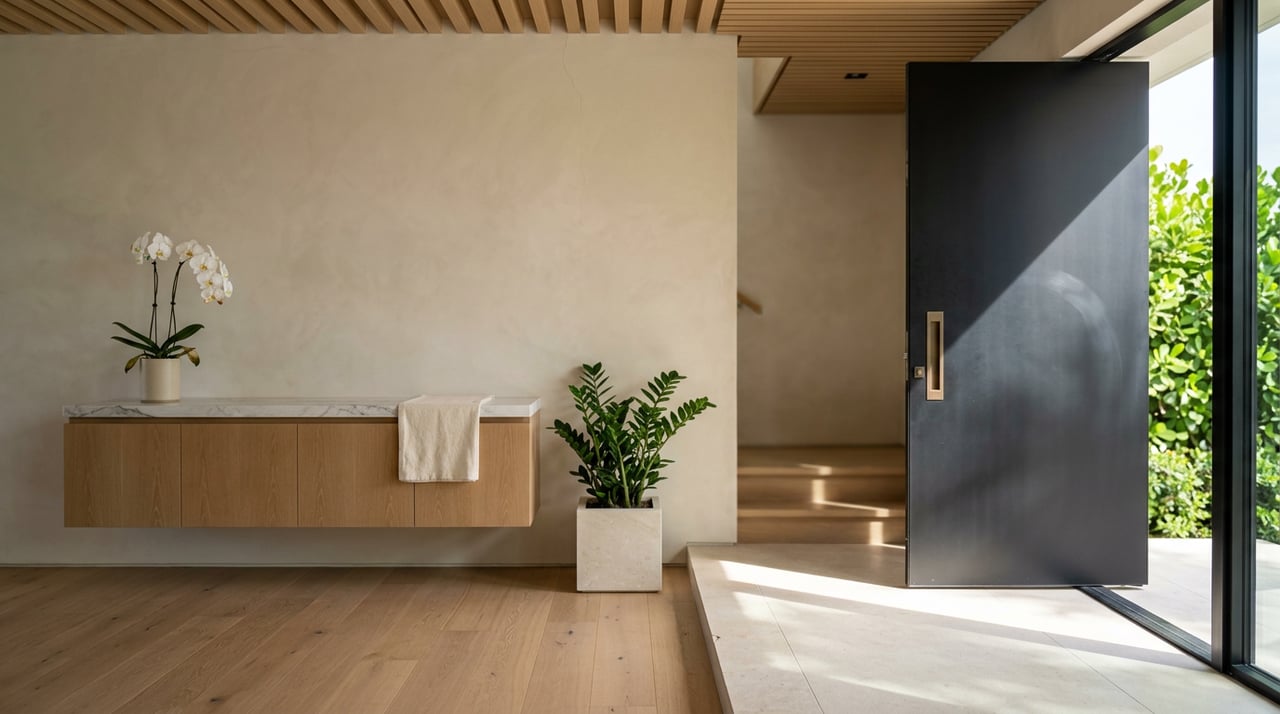
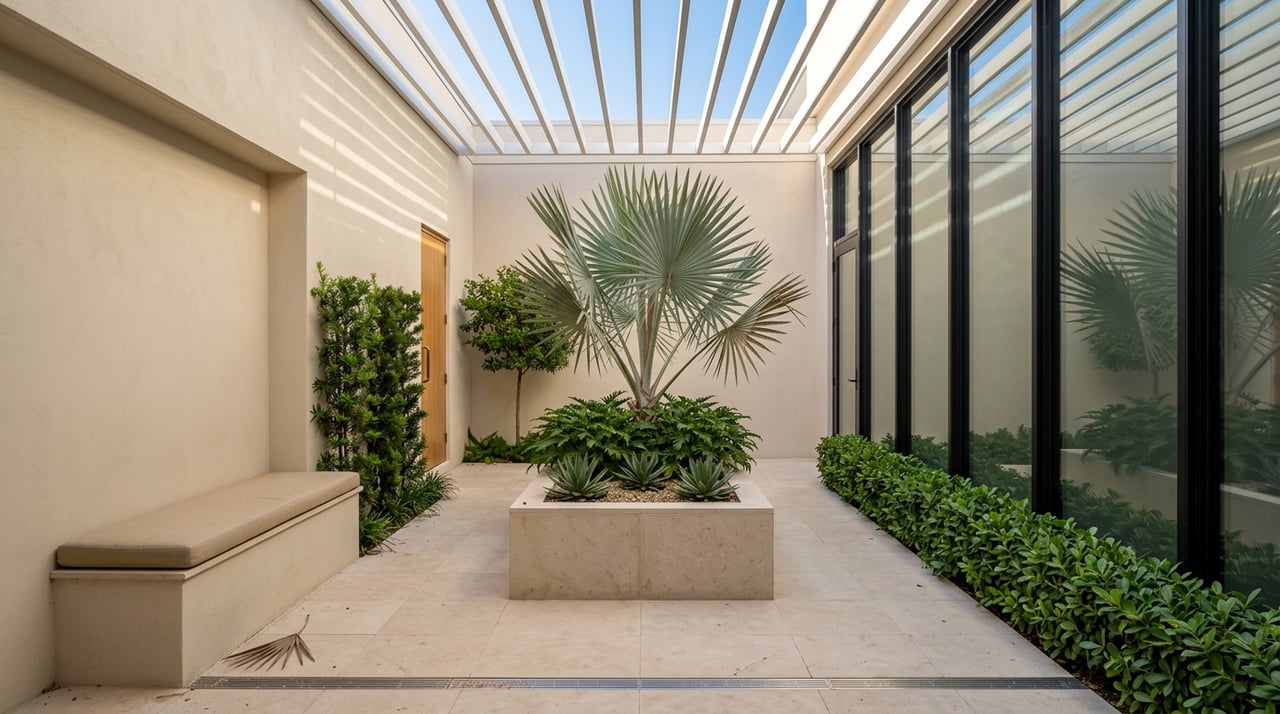
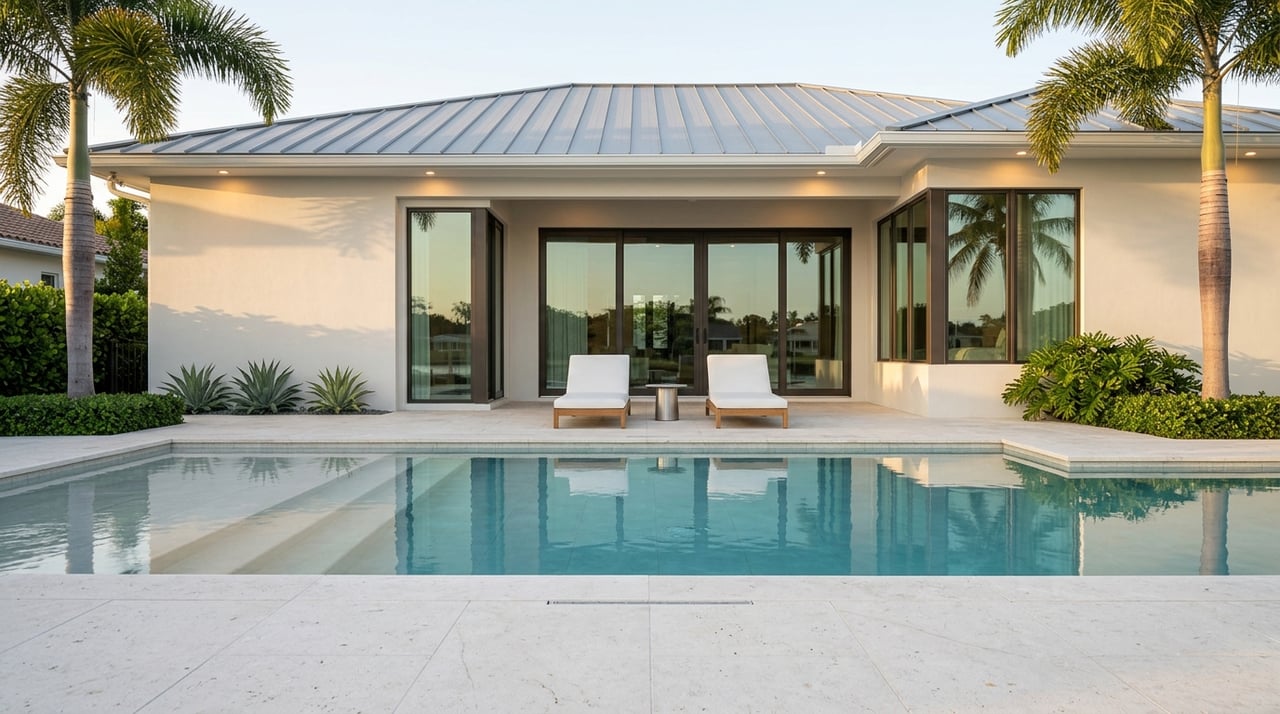
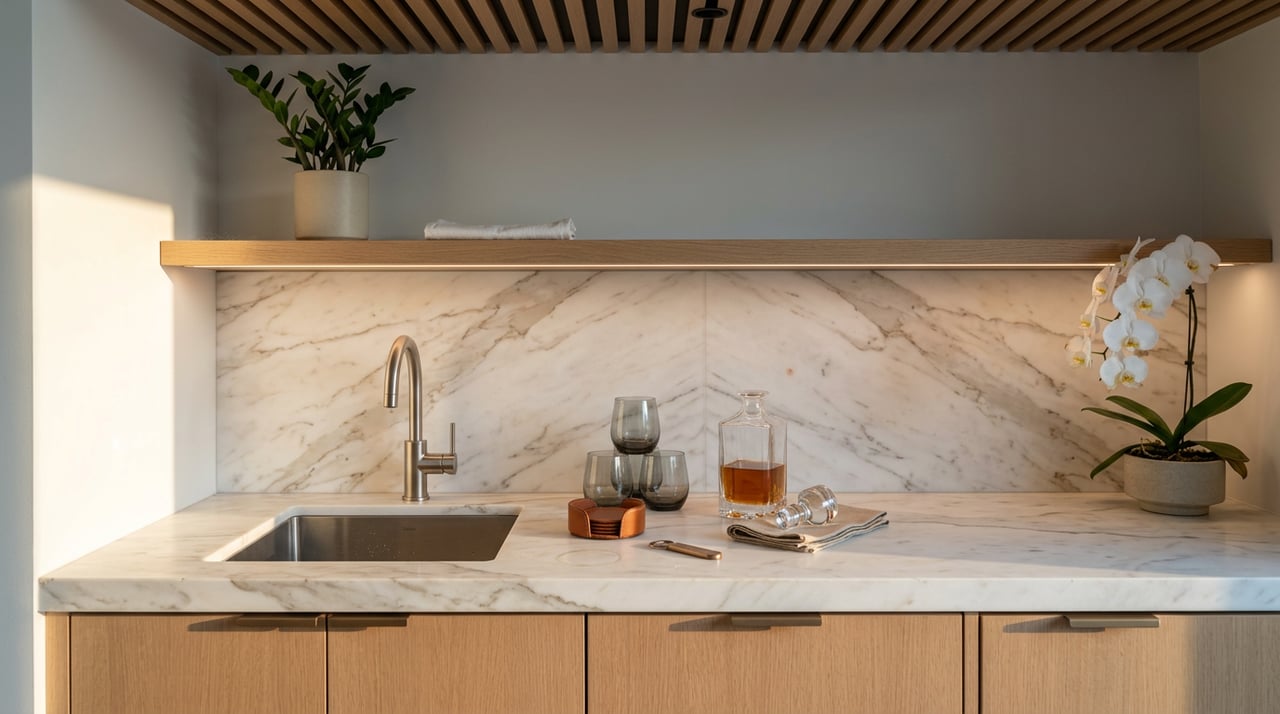
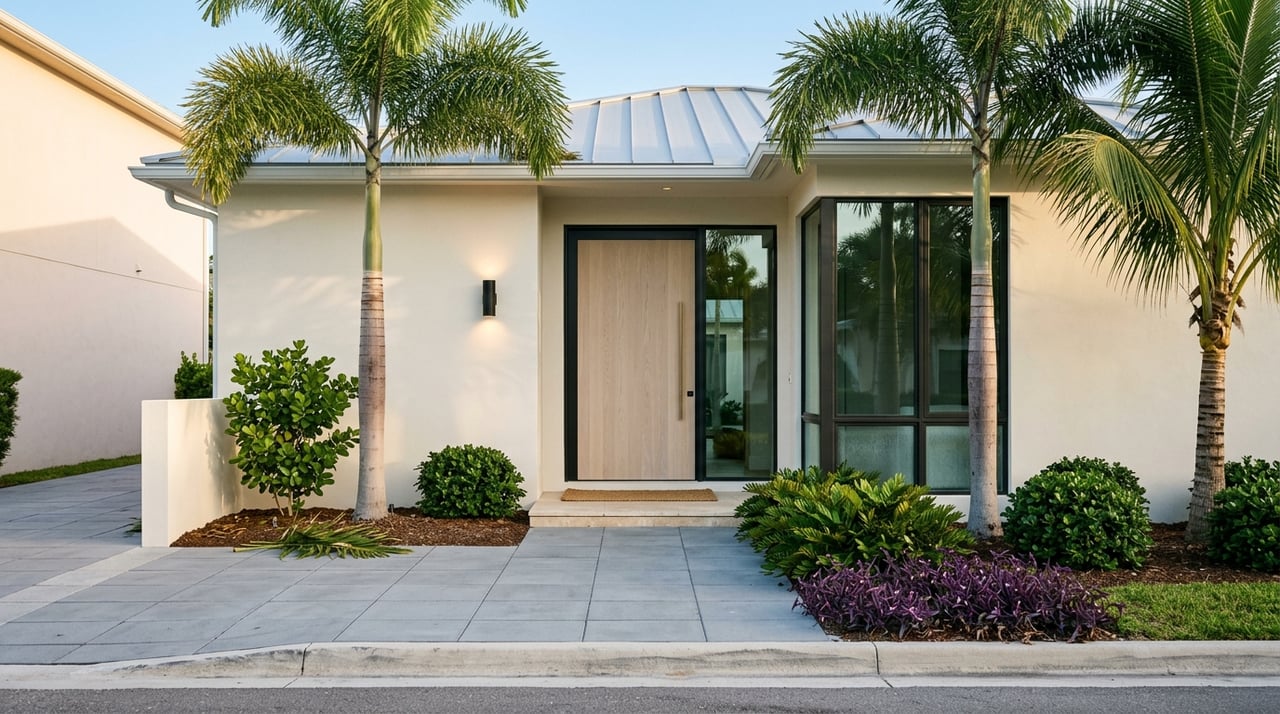
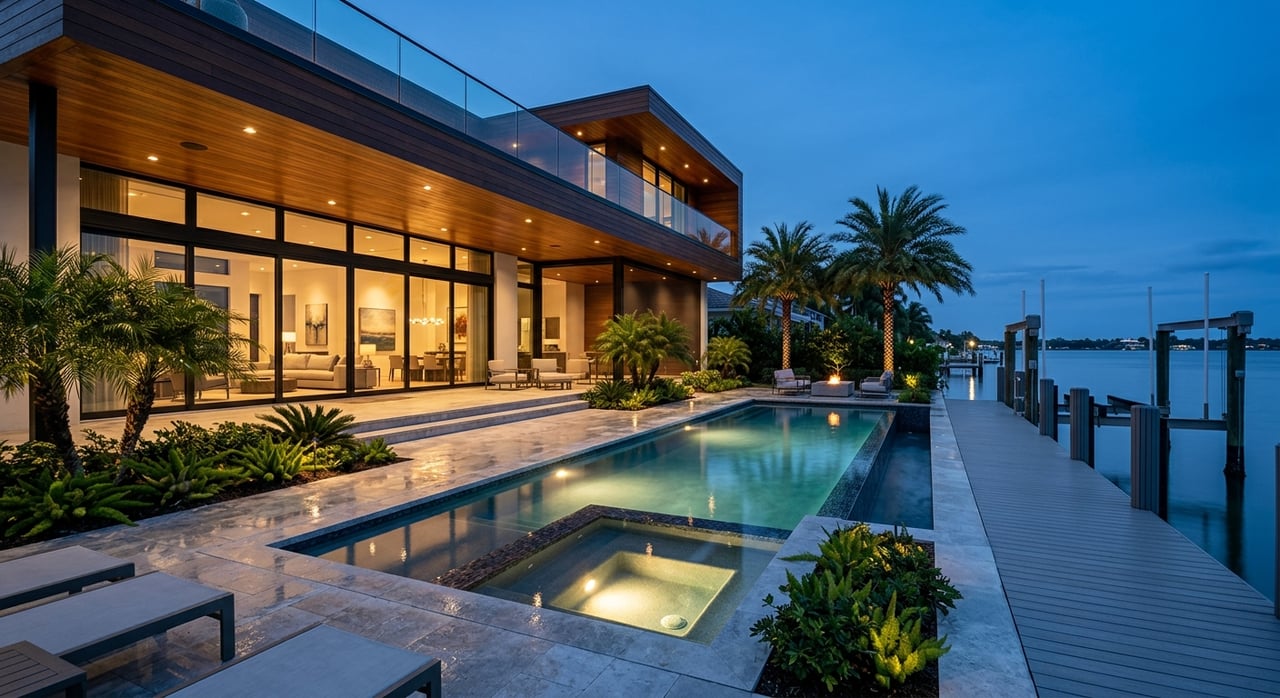
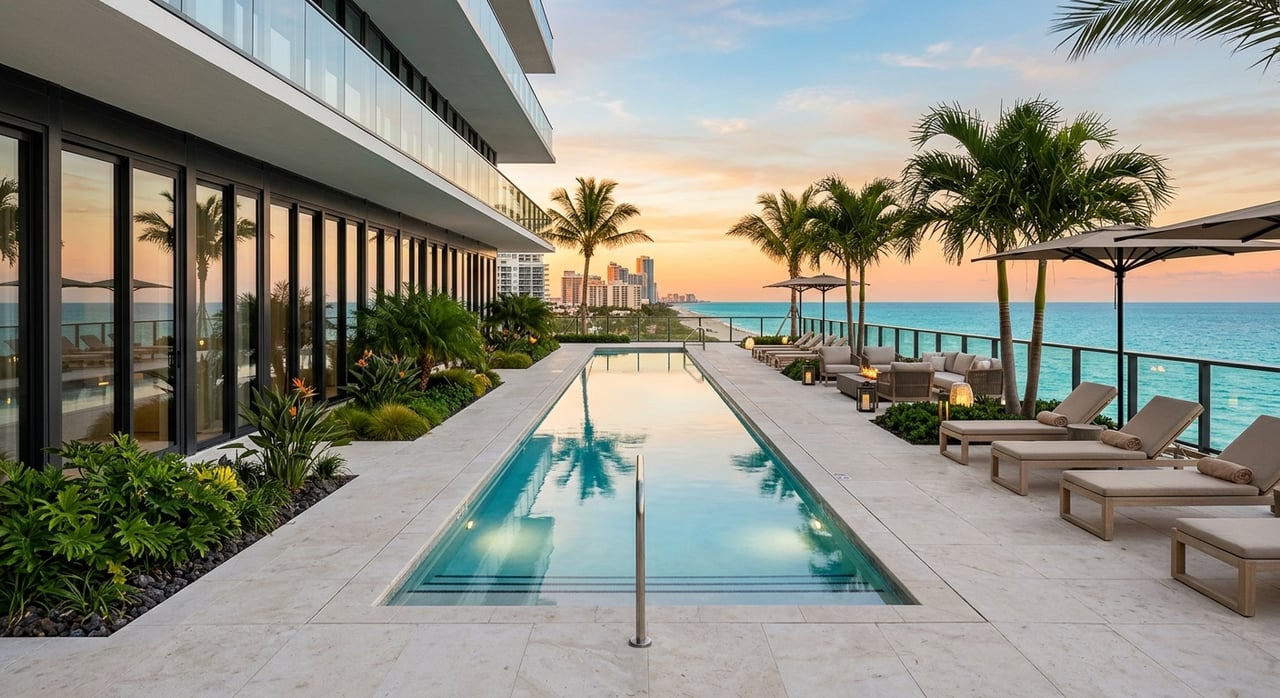
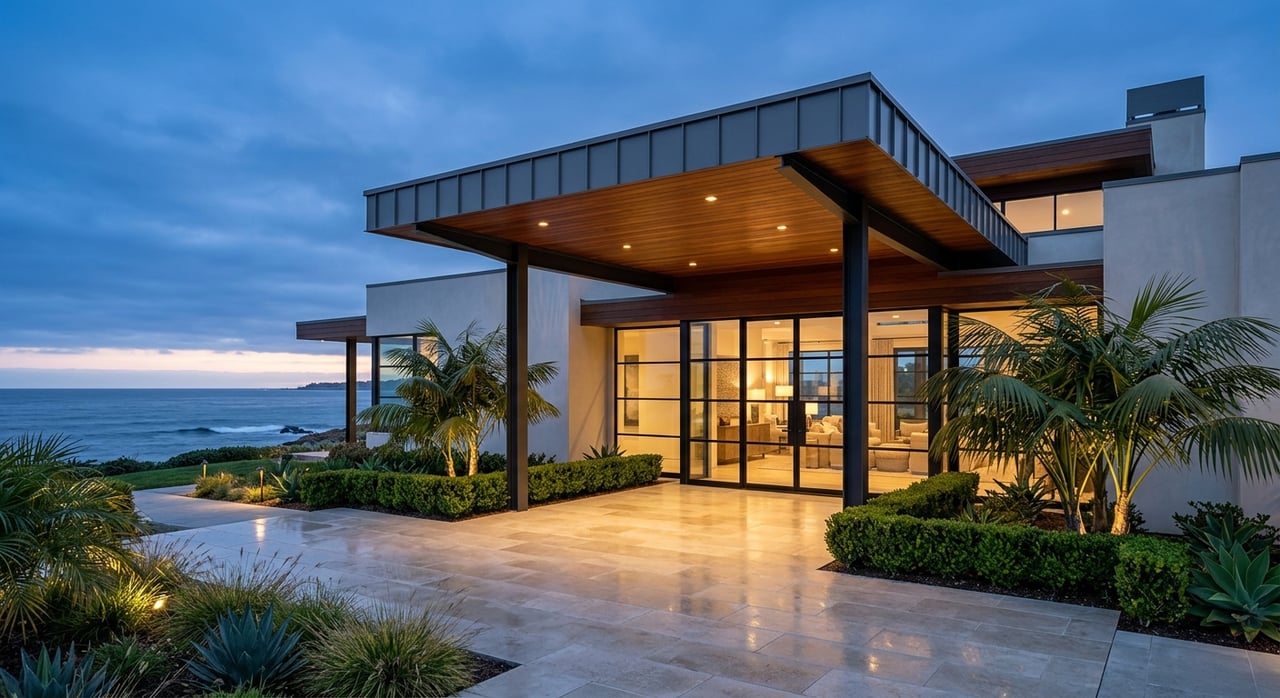
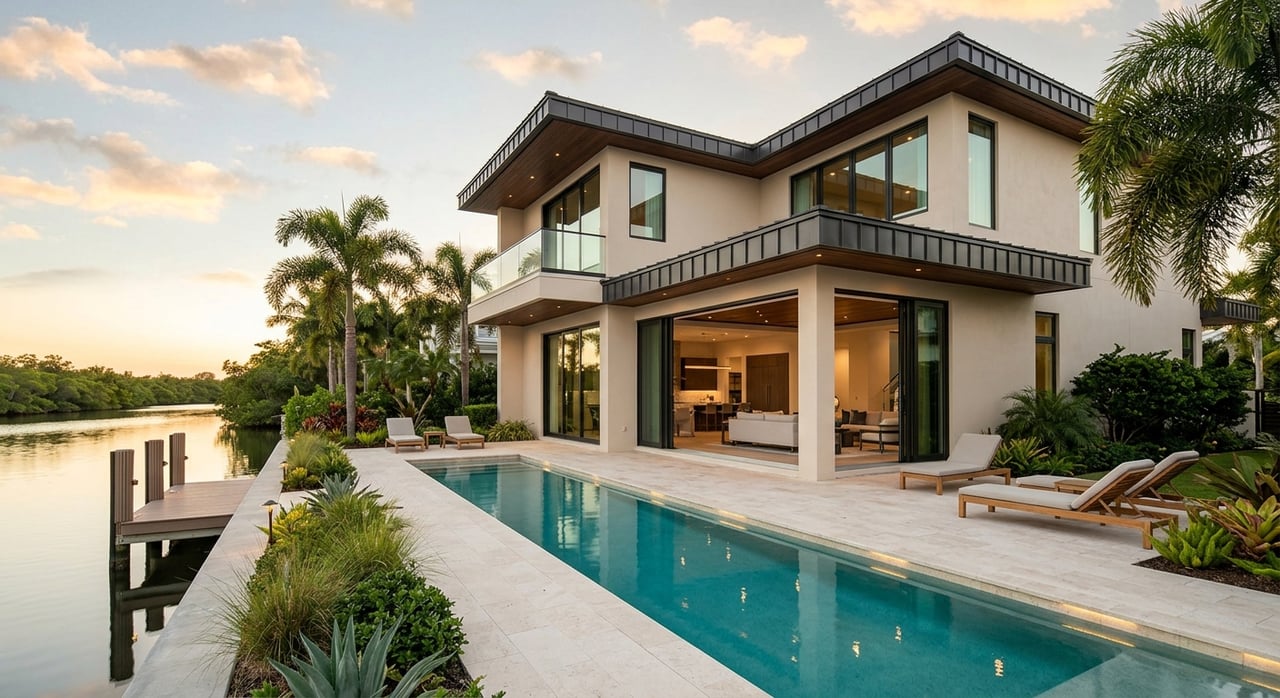
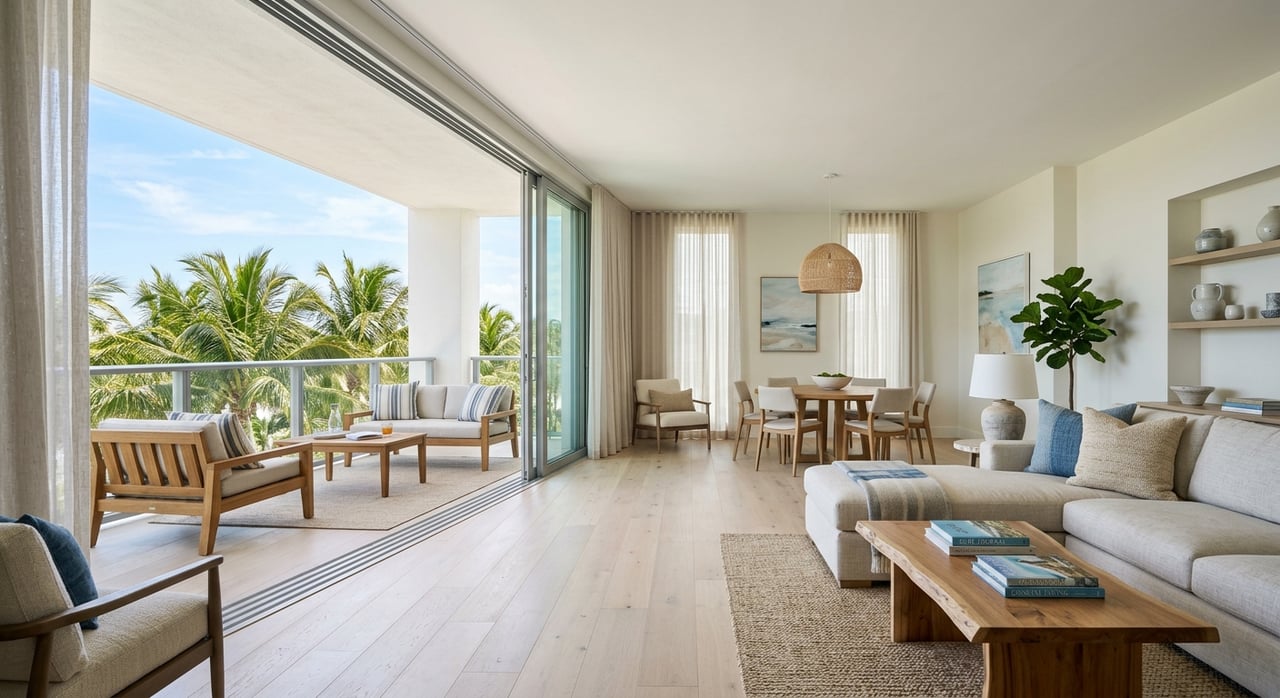
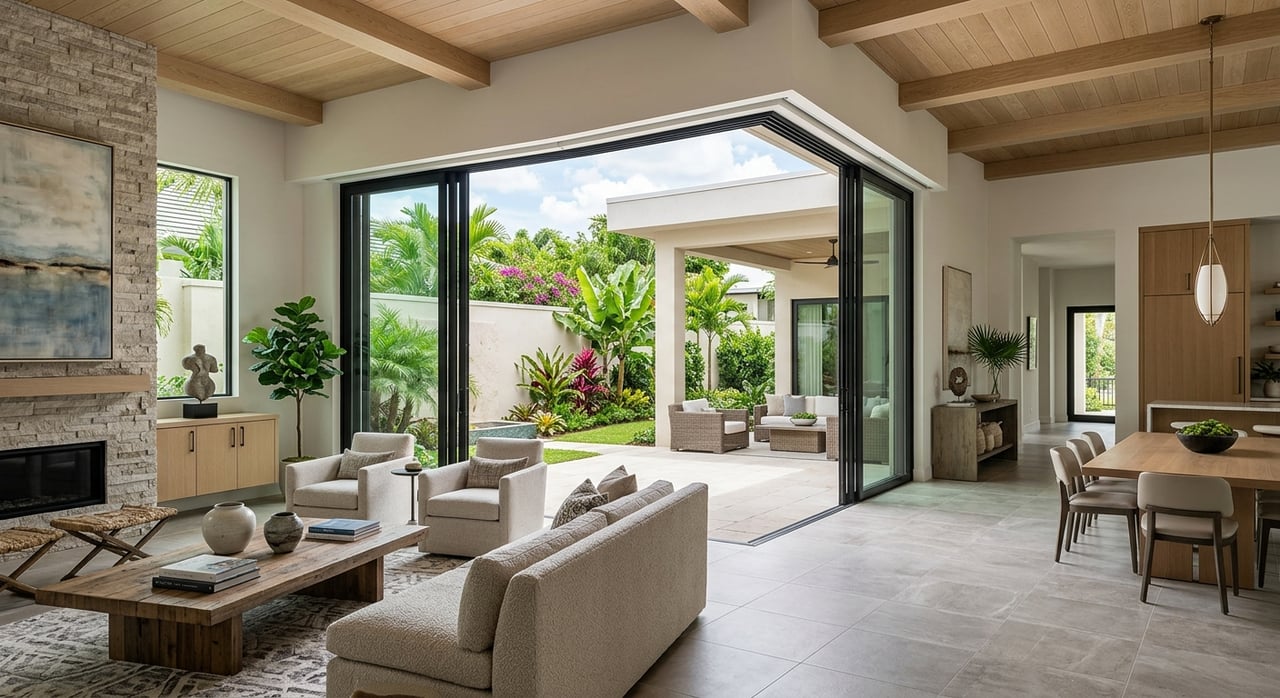
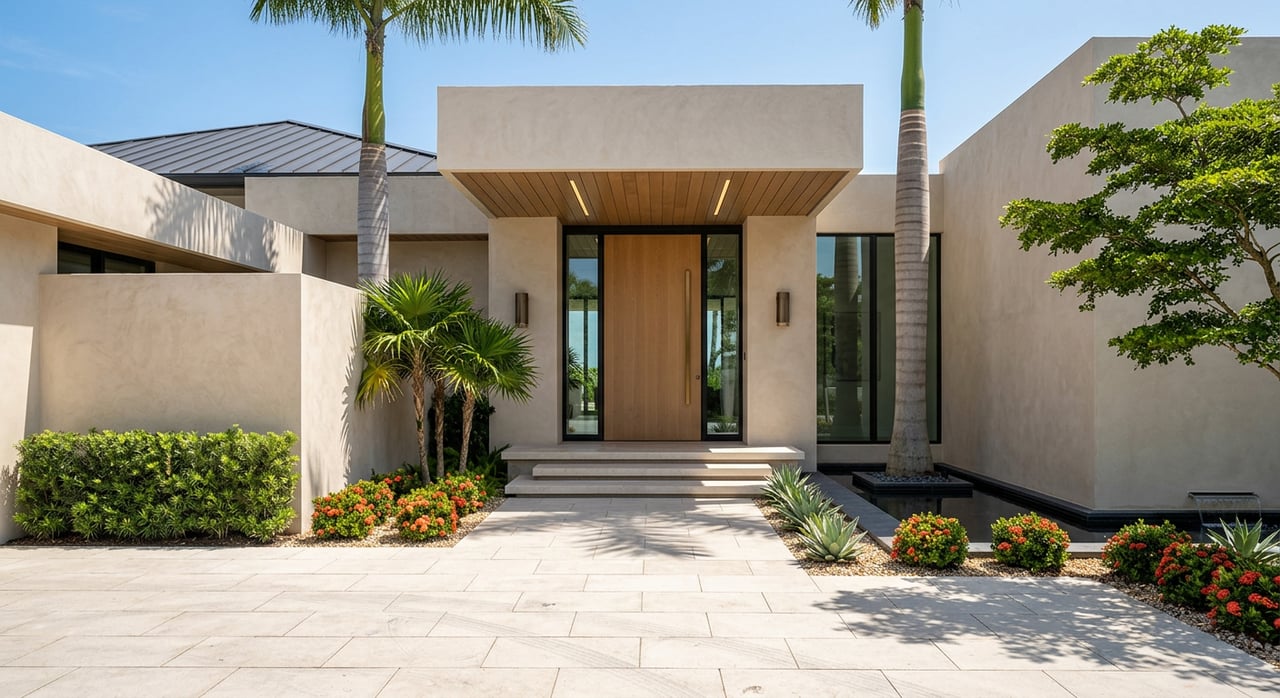
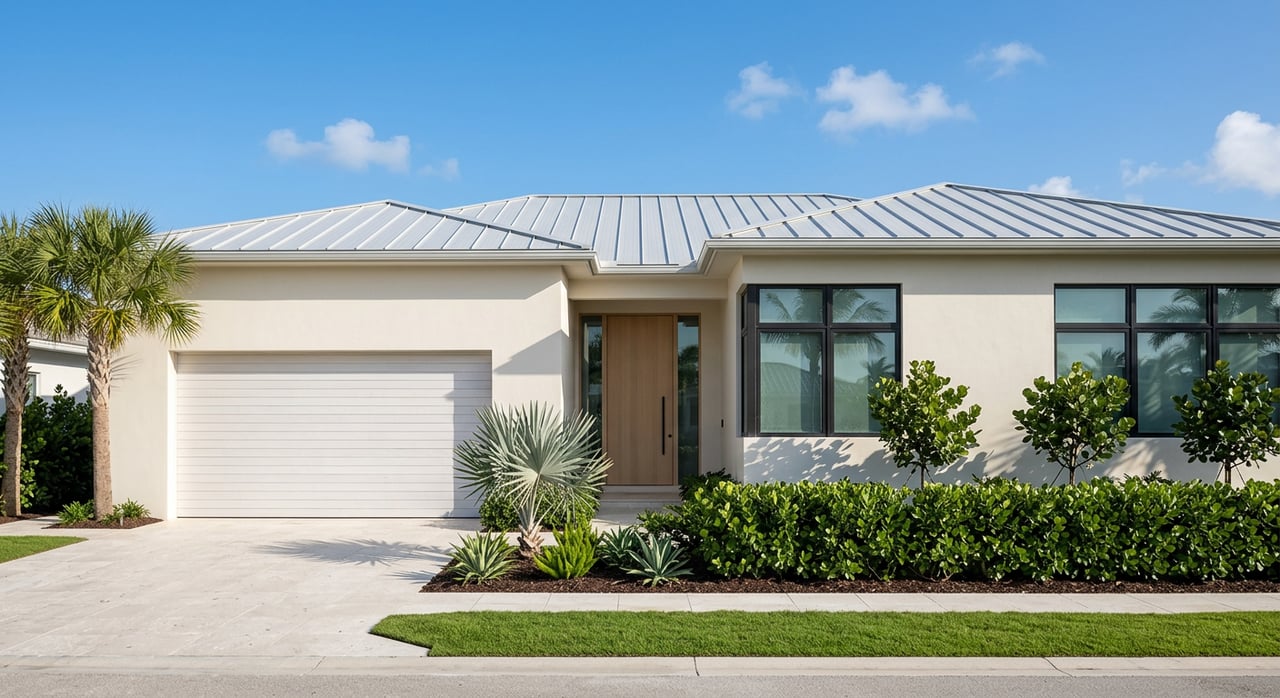
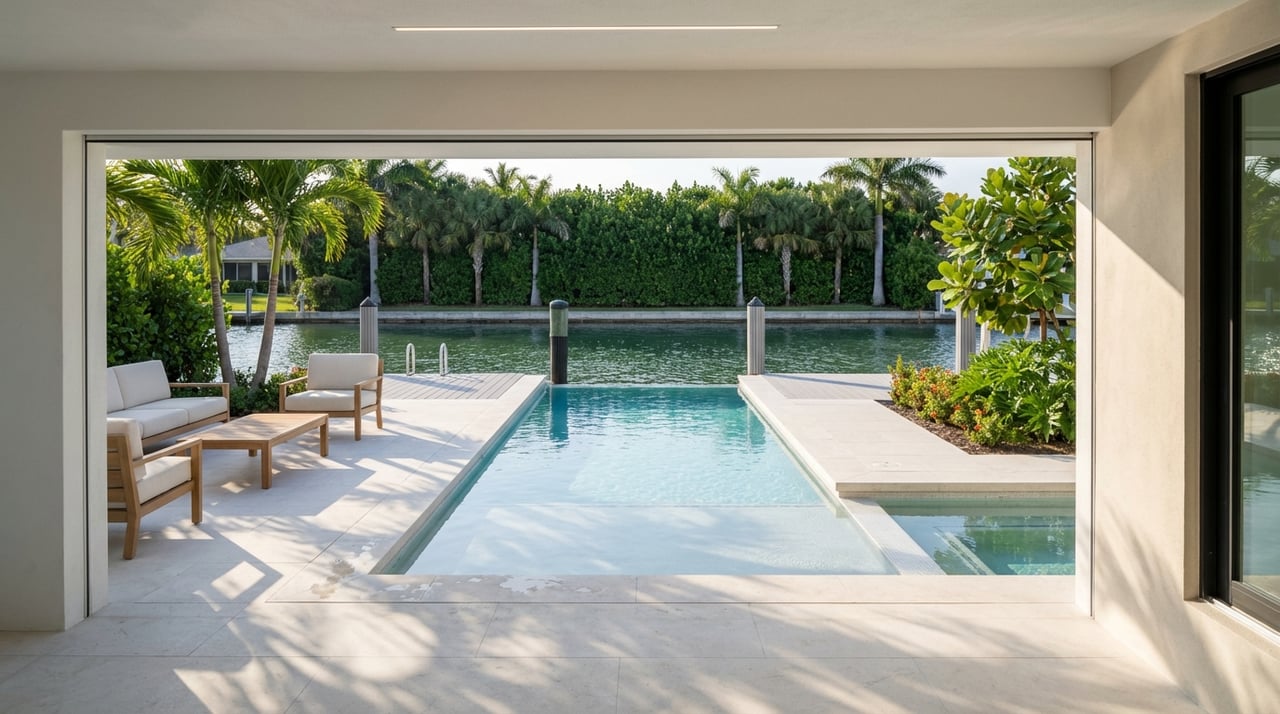
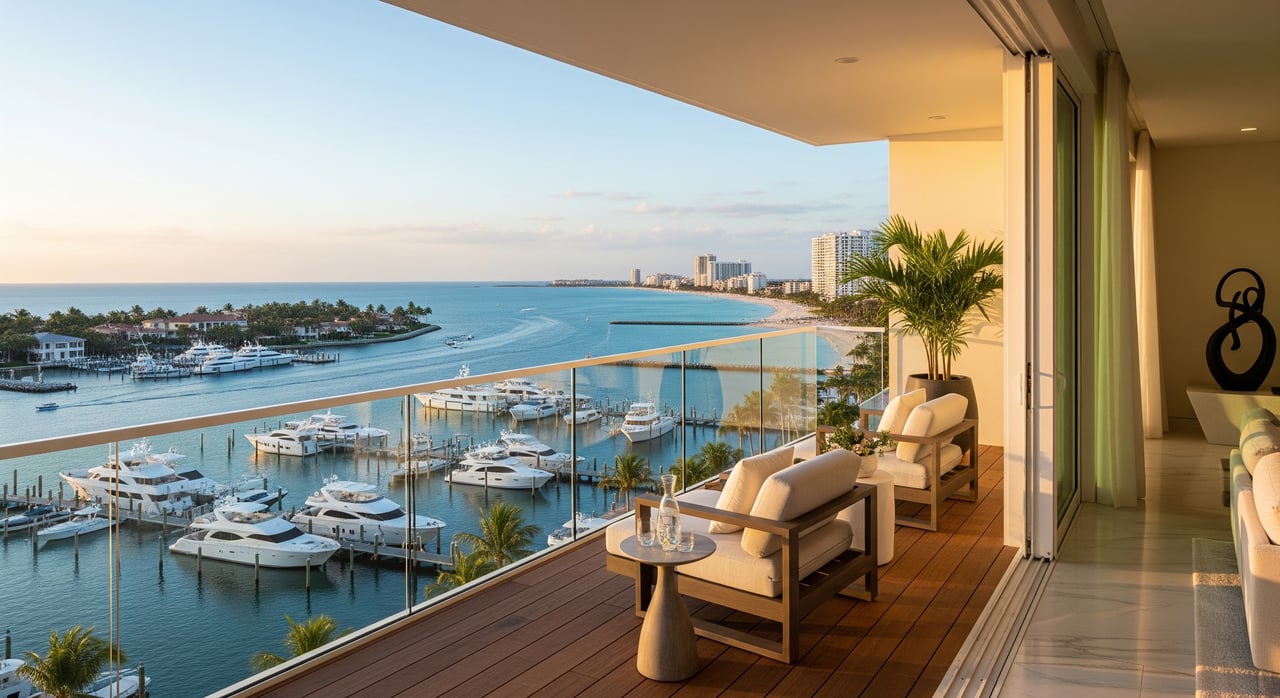
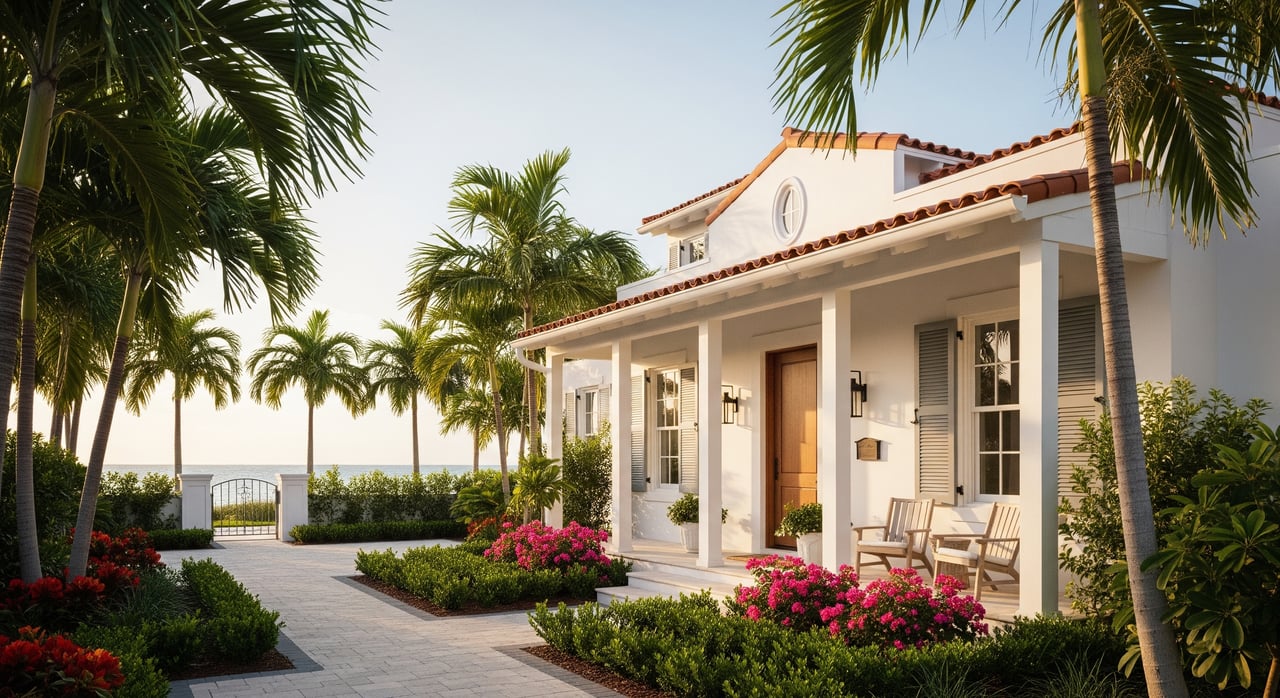
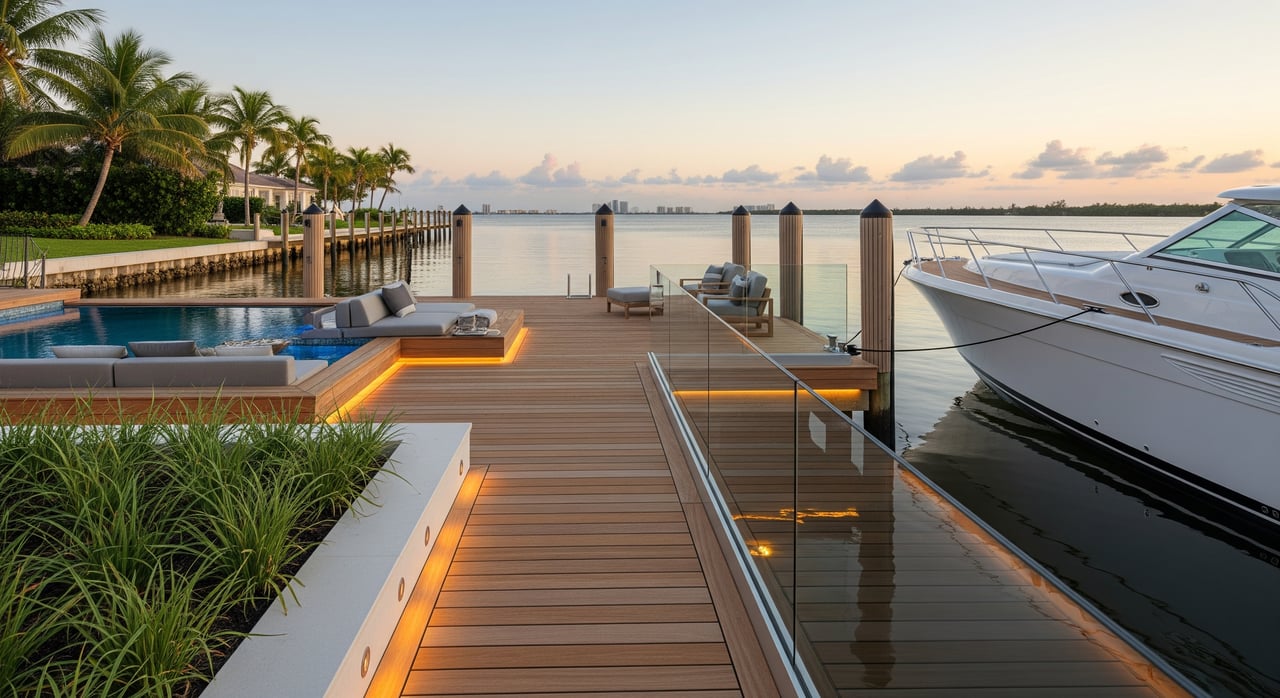
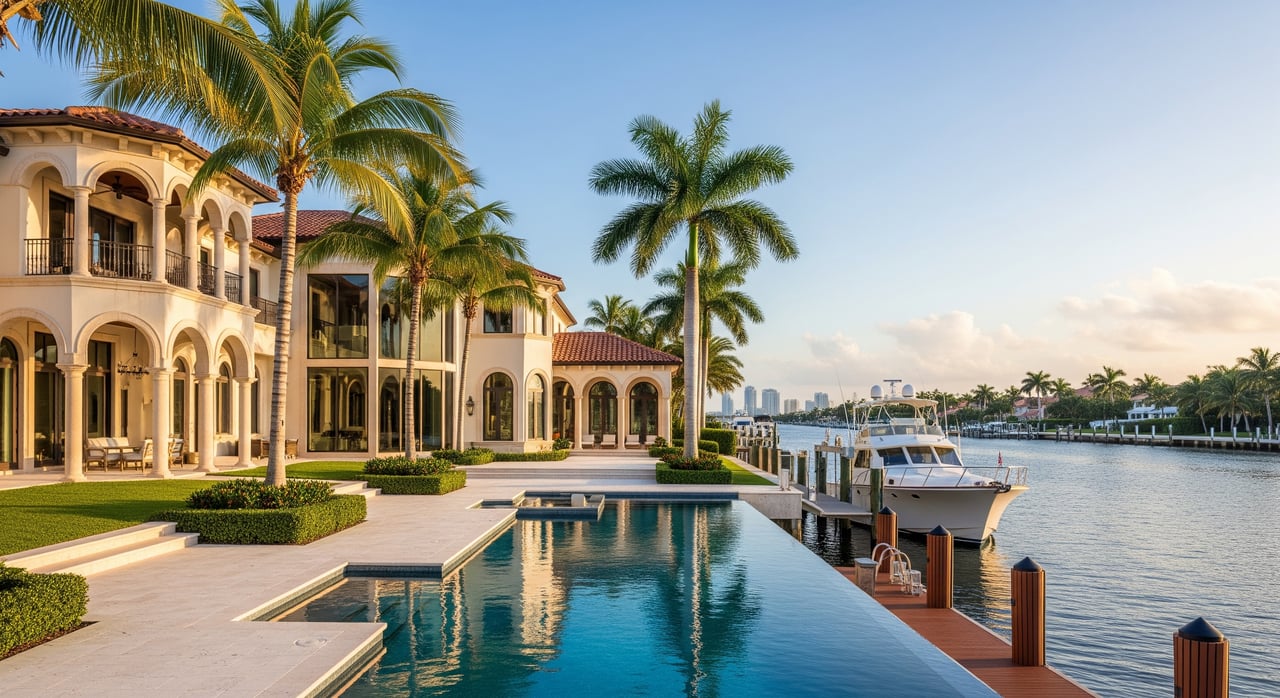
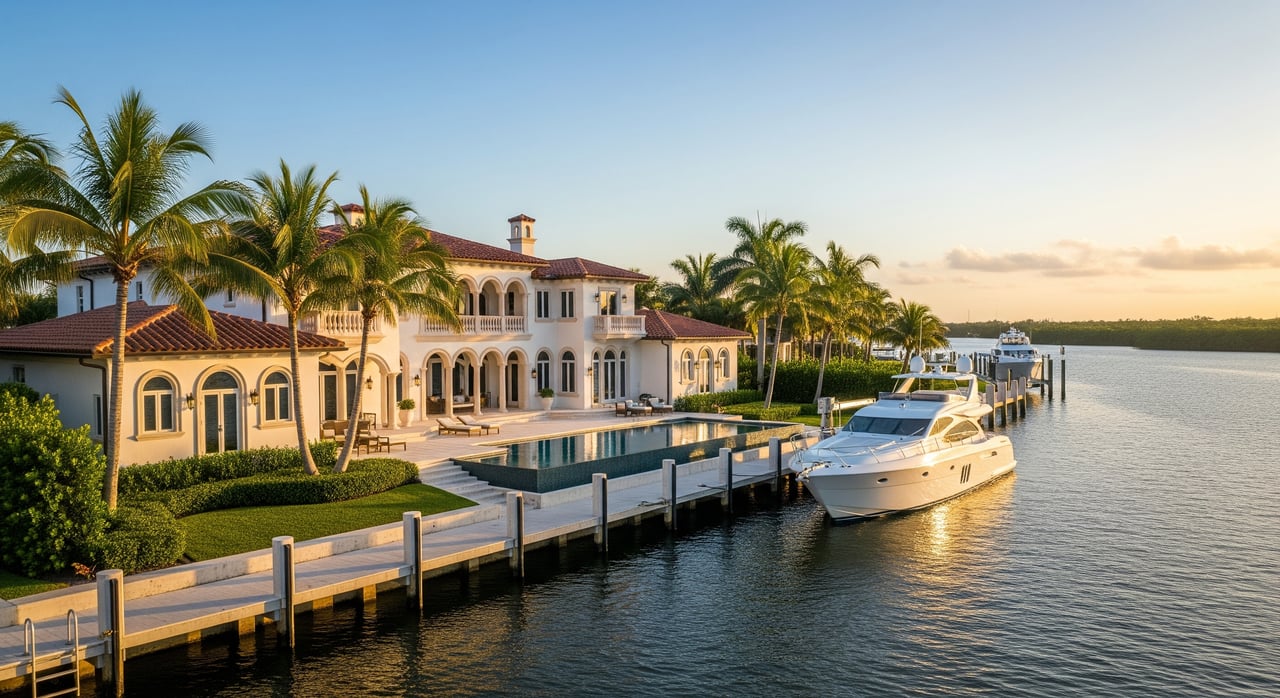
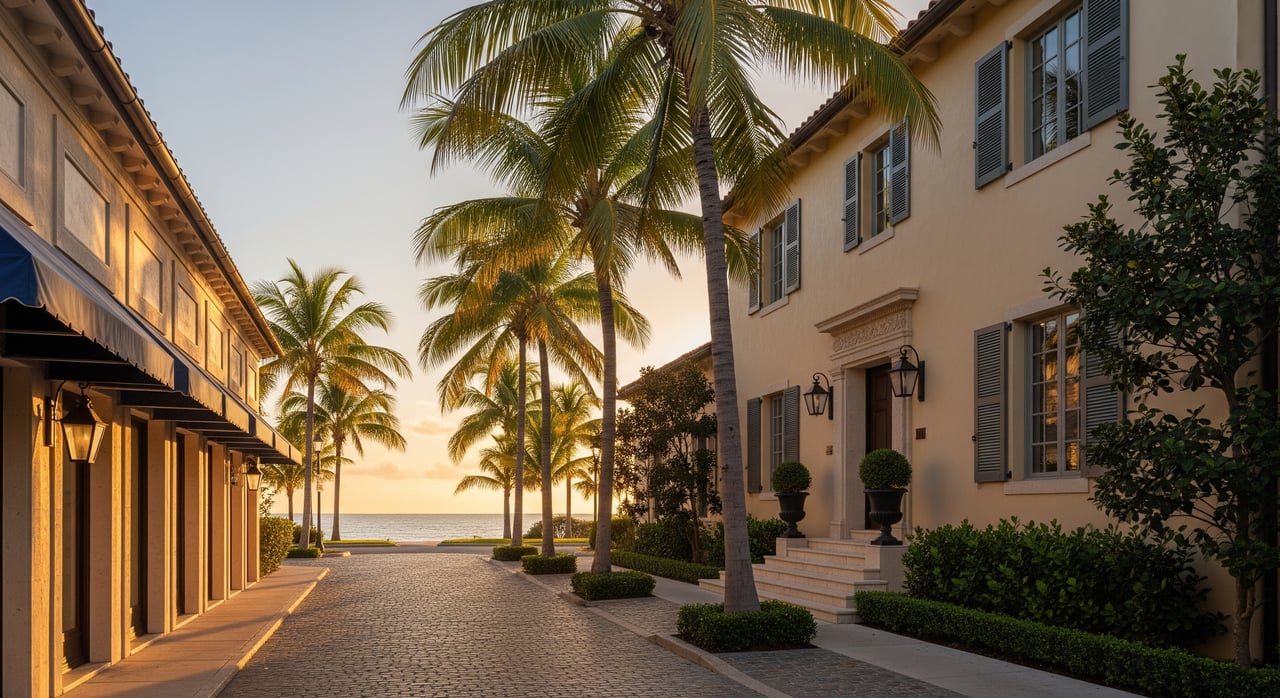
Before you tour another listing on Gordon Drive priced north of twenty million dollars, ask your agent one specific question: is anyone actually going to live in this house. In Port Royal in 2026, the honest answer is usually no. The staged primary suite, the pool deck photographed at golden hour, the kitchen with the six-burner range will most likely come down within the year. What you are paying for is the address, the frontage, and the water beyond it. The structure is a formality on its way to a dumpster.
This matters if you are pricing Port Royal against Old Naples, Aqualane Shores, or the Moorings using whatever number the portal shows you. That number hides a step almost none of the comparison neighborhoods share at this scale: most Port Royal transactions are land purchases wearing a house's clothes.
The Sample Math, Then and Now
Port Royal began as a land assembly, not a subdivision of finished homes. Developer Glen Sample started acquiring the acreage in 1938, and when lots first went on sale in 1956, they priced at just over $10,000 apiece. Even then, buyers were paying for empty ground on a peninsula between the Gulf and Naples Bay, then building to their own taste on top of it. The logic hasn't changed in seventy years. Only the number attached to it has, now running eight figures and occasionally nine.
The scale is easier to see in two recent transactions than in any median. In 2025, three adjacent Gulf-front estates on Gordon Drive sold to a single buyer for a combined $225 million. Separately, the Gordon Pointe compound at the peninsula's southern tip, more than nine acres with 722 feet of beach, came to market at $271 million, among the highest asking prices ever attached to a single residential property in the United States. Neither figure describes a house. Both describe irreplaceable frontage, and the buyers writing checks at that scale are not negotiating over kitchen finishes.
What "Teardown" Actually Means on a Listing Sheet
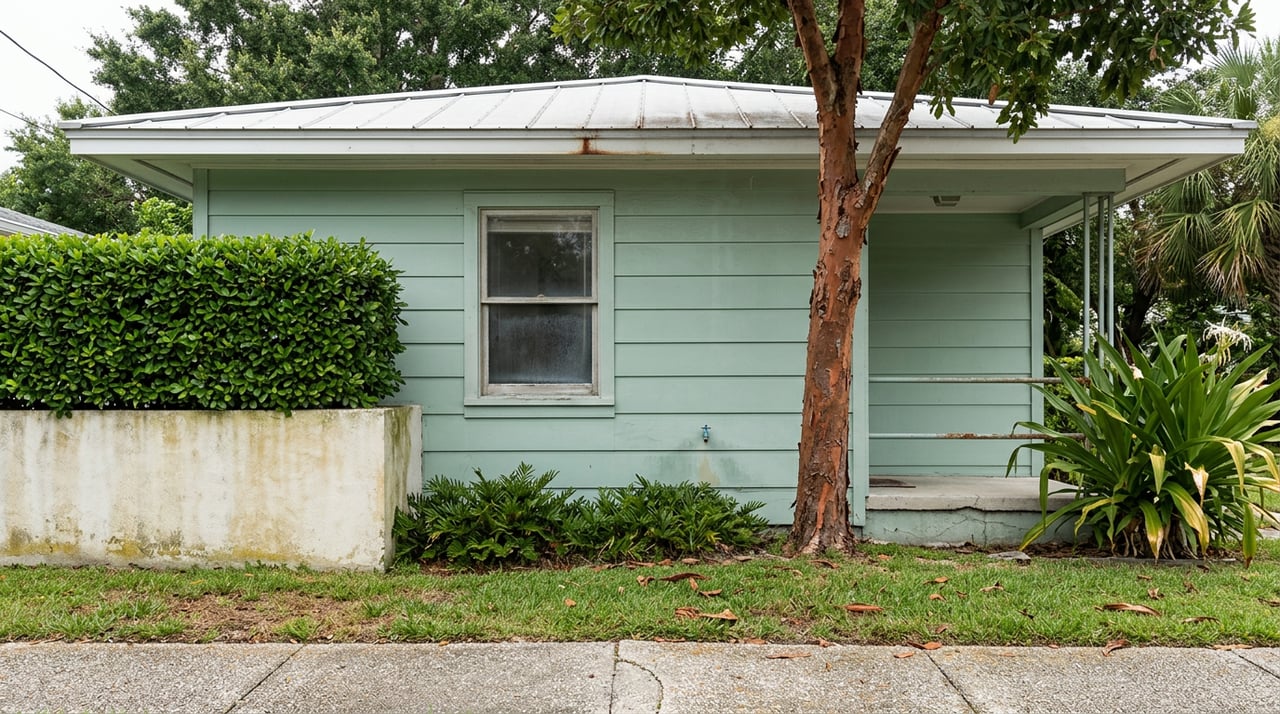
Florida's coastal building rules do a lot of the work here. Once a renovation's cost crosses roughly half the structure's value, coastal construction standards requiring elevated, hurricane-rated new construction often make a full rebuild pencil out better than a partial fix. Across current Port Royal activity, roughly 65% of closed sales function as teardown acquisitions rather than as purchases of a home someone intends to occupy as-is.
The arithmetic that follows is blunt. A buyer pays $14 million or more for the lot itself. Construction, once permits clear, runs another $5 million to $15 million depending on square footage, dock work, and finish level. The house doesn't exist as a finished, livable asset until that second check clears too.
| What the buyer pays for | Typical range |
|---|---|
| Land acquisition | $14M and up |
| New construction, post-permit | $5M–$15M |
| Finished home enters the market at | $20M–$30M minimum |
The listing price buys the dirt. The construction budget buys the house. That is the arithmetic every serious Port Royal buyer eventually works through, whether an agent lays it out for them or they discover it three months into their own due diligence.
The Builders Working the Backlog
Walk the current Port Royal construction map and the same names keep appearing on permit boards and project credits. On Hidden Bay, Kukk Architecture & Design and Wilbrett Construction paired on a new-construction estate with interiors by Adelyn Charles Interiors. On a Gordon Drive parcel with sweeping vistas across Champney Bay, Stofft Cooney Architects and the Williams Group completed a full rebuild in 2023. Elsewhere in the neighborhood, Kukk Architecture paired with Knauf-Koenig Group on a 2024 rebuild carrying a rare 177 feet of southern-exposure water frontage, and separately with VIV Homes on another full custom commission. Architect Mark J. Leonardi and builder A. Vernon Allen Builders delivered a nearly 8,600-square-foot estate called The Sanctuary in 2019, the same land-then-build sequence playing out years before this cycle accelerated.
None of this is speculative building in the way a developer might build a spec home and hope for a buyer. Every one of these is a custom commission on a parcel a client purchased with the demolition already planned.
Why the Clock Runs Long
Trailing-twelve-month listing data compiled through mid-2026 puts the average Port Royal home on the market for something on the order of 230 days, more than four times the general national home-sale average of about 50 days over the same period. That gap is not a sign of weak demand. It's a sign of what actually happens during a Port Royal negotiation.
Buyers are not evaluating a move-in-ready house against comparable sales. They're pricing a lot against seawall condition, elevation certificates, setback lines, and a builder's preliminary cost estimate for a home that doesn't exist yet. Sellers, meanwhile, know their buyer pool is narrower and more patient, since anyone shopping at this price point has already accepted a year or more between closing and living there. The long timeline is the market pricing in a construction project, not hesitation.
What This Means If You're Comparing Neighborhoods
If your comparison spreadsheet has Port Royal's median sitting next to Old Naples or the Moorings, adjust before you draw a conclusion. In those neighborhoods, a meaningful share of inventory is finished, livable, and priced as such. In Port Royal, a majority of what closes is priced as land with a construction project attached, and comparing dollar figures without accounting for that difference will make Port Royal look either wildly overpriced or, if you're only looking at older, unrenovated stock, misleadingly close to its neighbors.
The Port Royal Club's new $100 million clubhouse, expected to open late this year, adds its own premium for eligible owners. That's a real factor, but it's a separate one from what's described here. The clubhouse changes what ownership feels like once you're in. The land economics determine what you pay to get there in the first place, and with roughly 500 homesites total on a peninsula where no new Gulf-front land can be created, every sale that clears removes one more parcel from circulation for a generation or longer.
If your priority is moving into a finished home this year, a renovated or newer-construction Port Royal property, or a neighboring waterfront community with more livable inventory, will likely serve you better than chasing a teardown lot. If your priority is securing land at the top of the Naples market and you can absorb a year or more of construction timeline, Port Royal's arithmetic is the one you're actually shopping.
A Short FAQ
Does a recently renovated Port Royal home avoid the teardown premium? Sometimes, but confirm the renovation addressed structural elevation and flood-zone compliance rather than just interior finishes. A home that still trips the substantial-improvement threshold on its next major permit carries the same eventual rebuild math regardless of how well it shows today.
How long should I budget between closing on a teardown lot and moving in? Based on current active Port Royal construction timelines, plan on roughly a year to eighteen months from closing to completion, longer if seawall replacement or new dock work is part of the scope.
If you're weighing Port Royal against another Naples waterfront neighborhood and want the land economics explained against your specific budget and timeline, Karen Van Arsdale can walk through what a particular lot, cove, or address actually costs to finish, not just what it costs to close on. Schedule a private consultation to start the conversation.