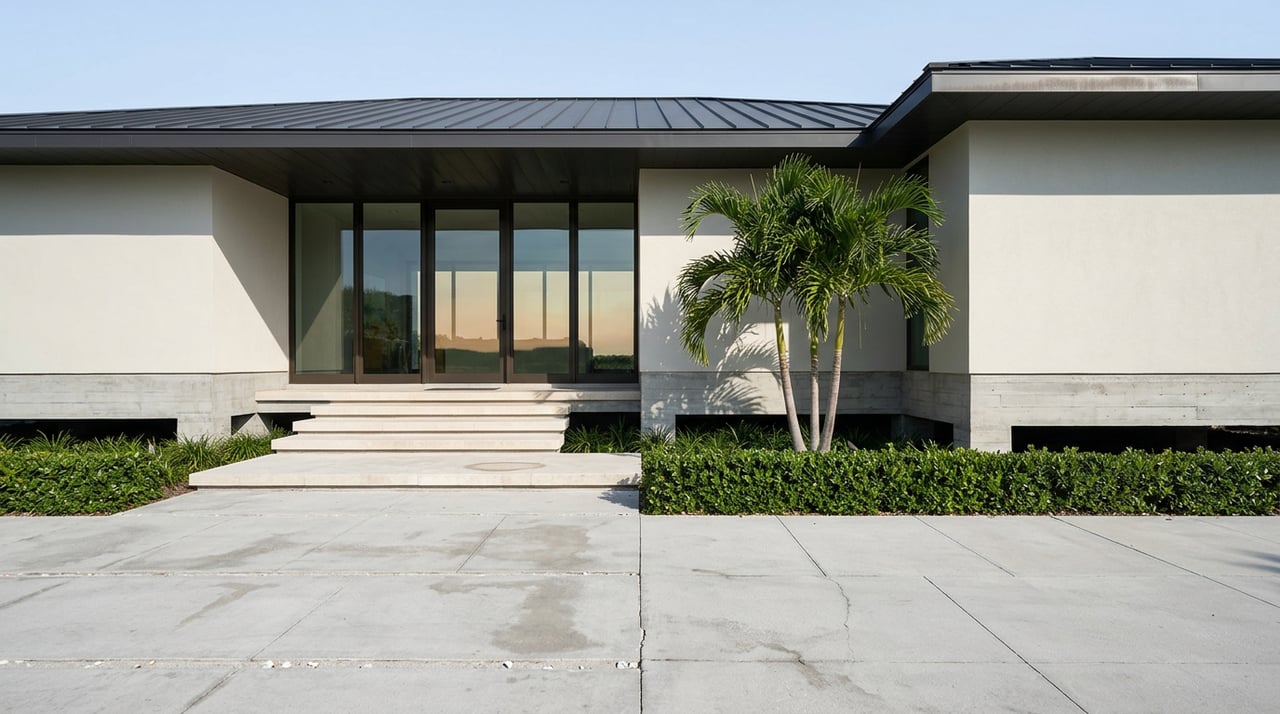
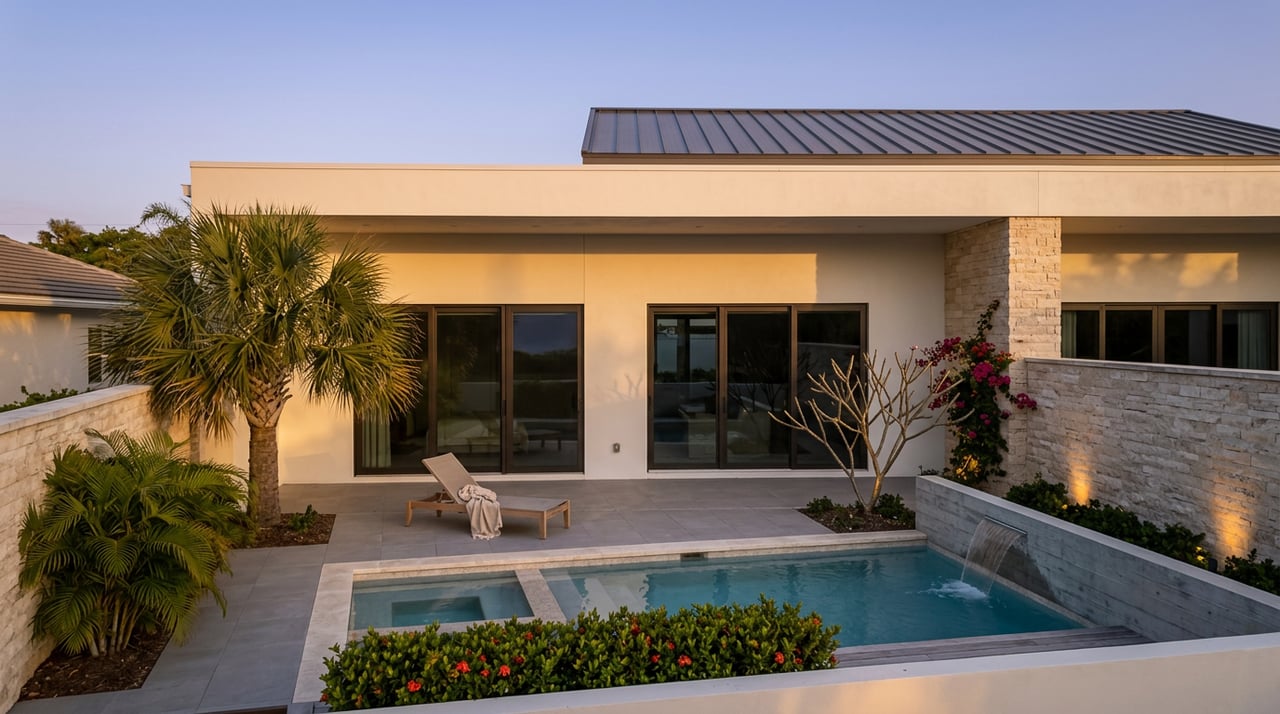
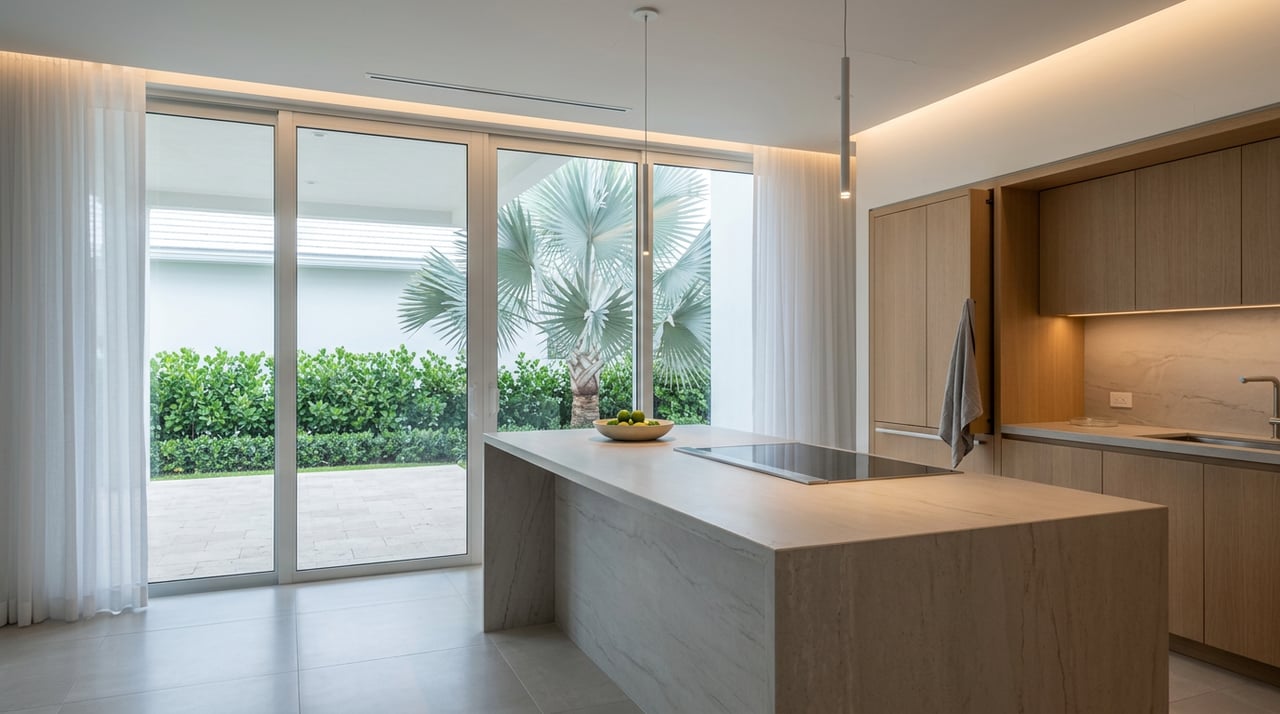
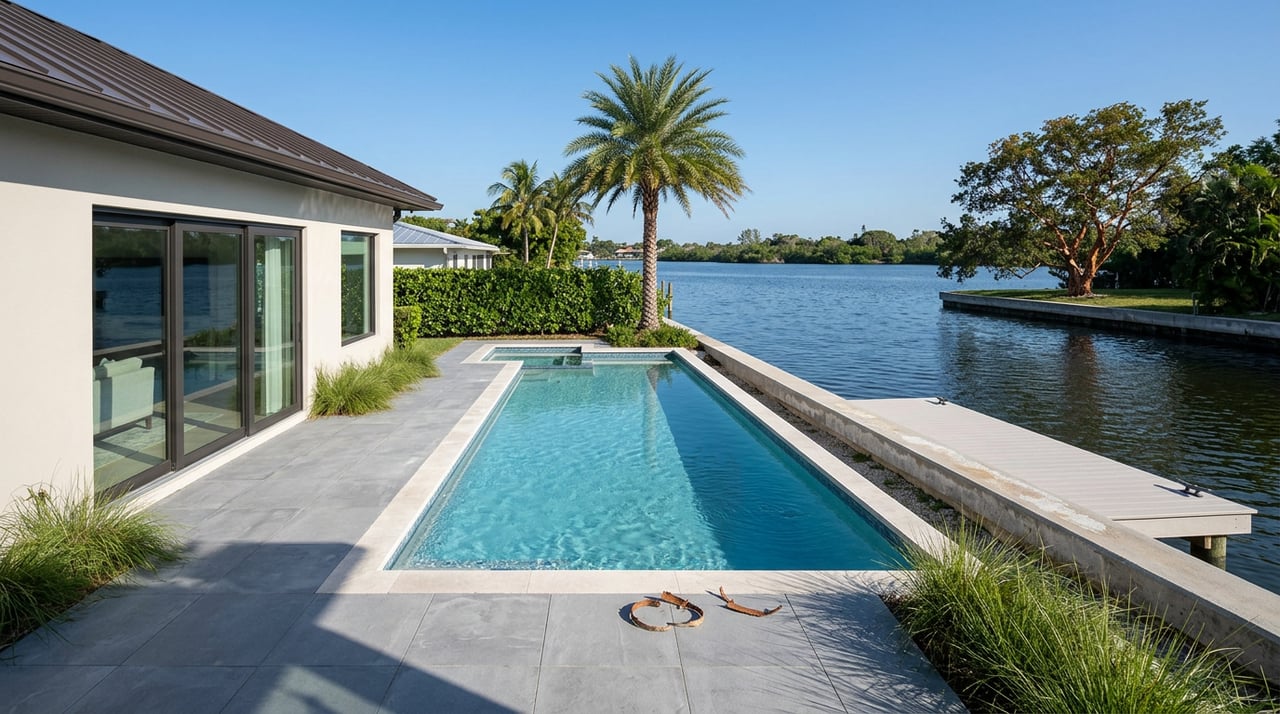
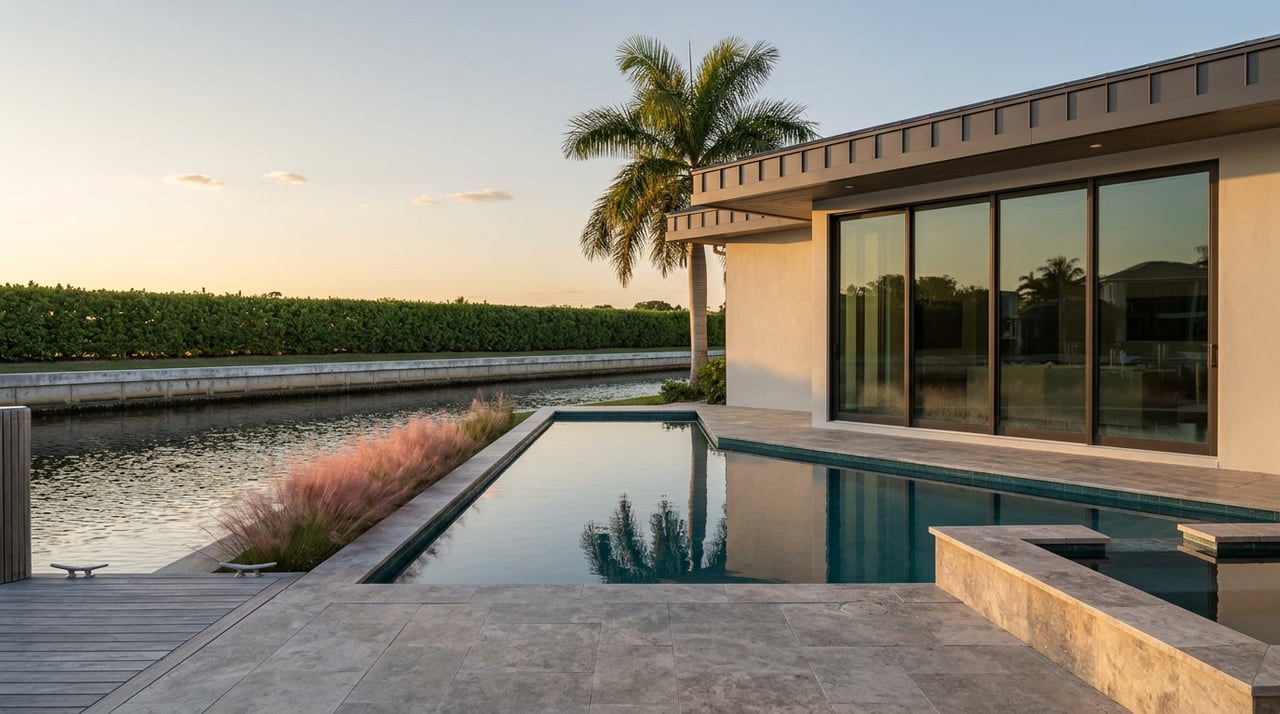
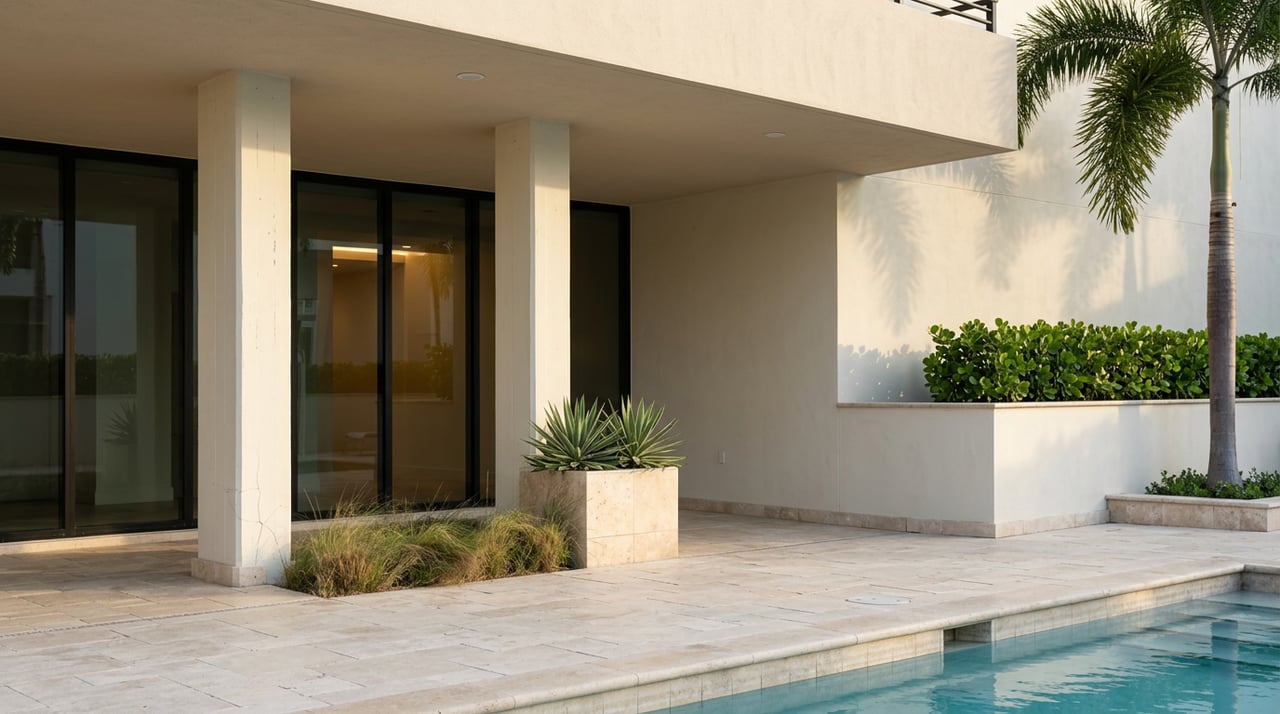
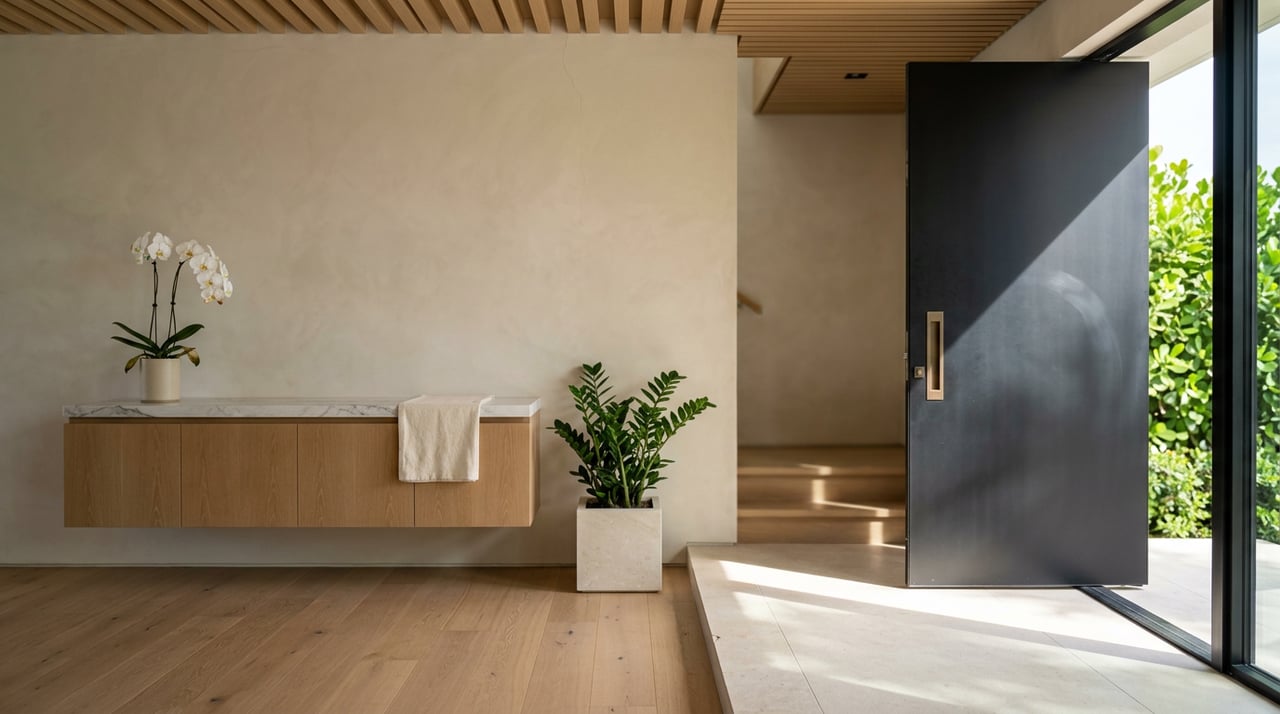
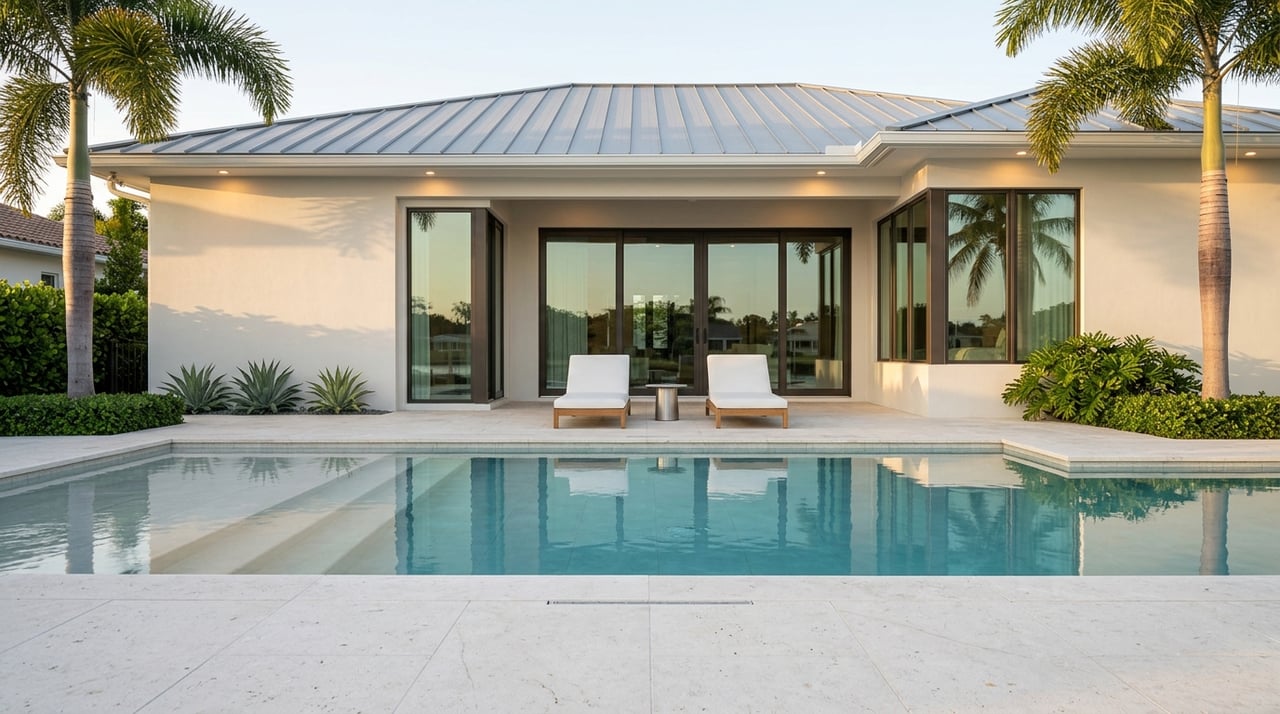
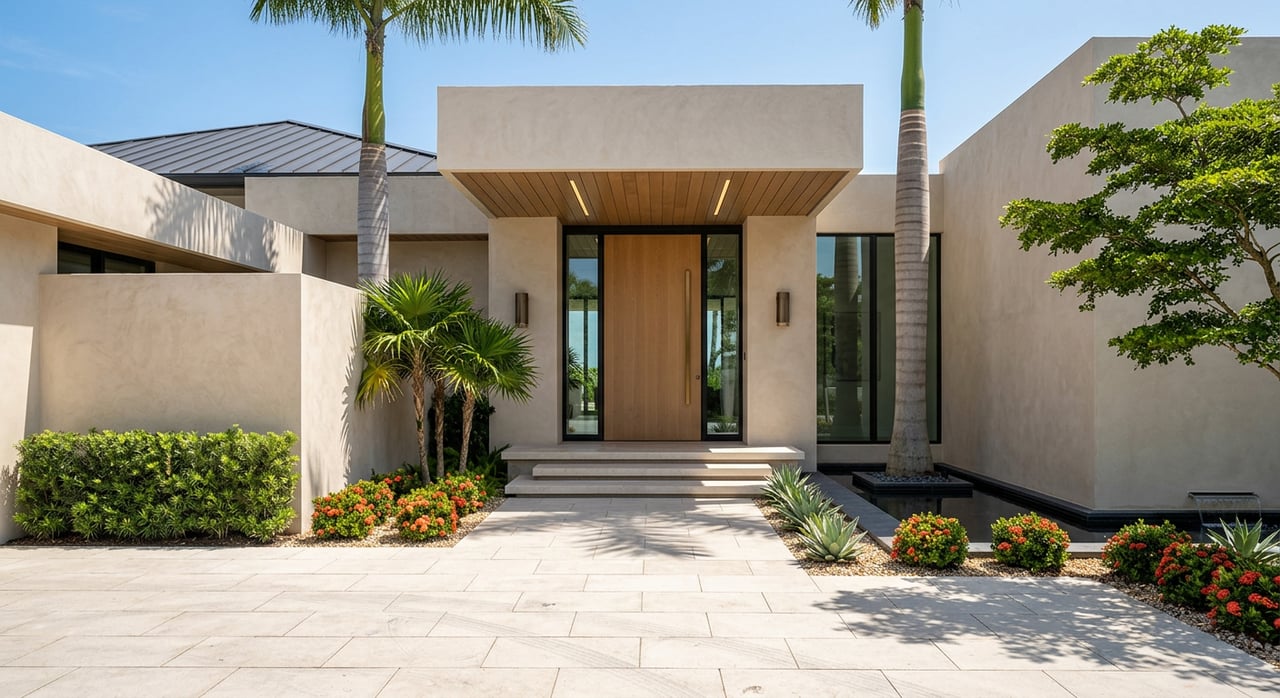
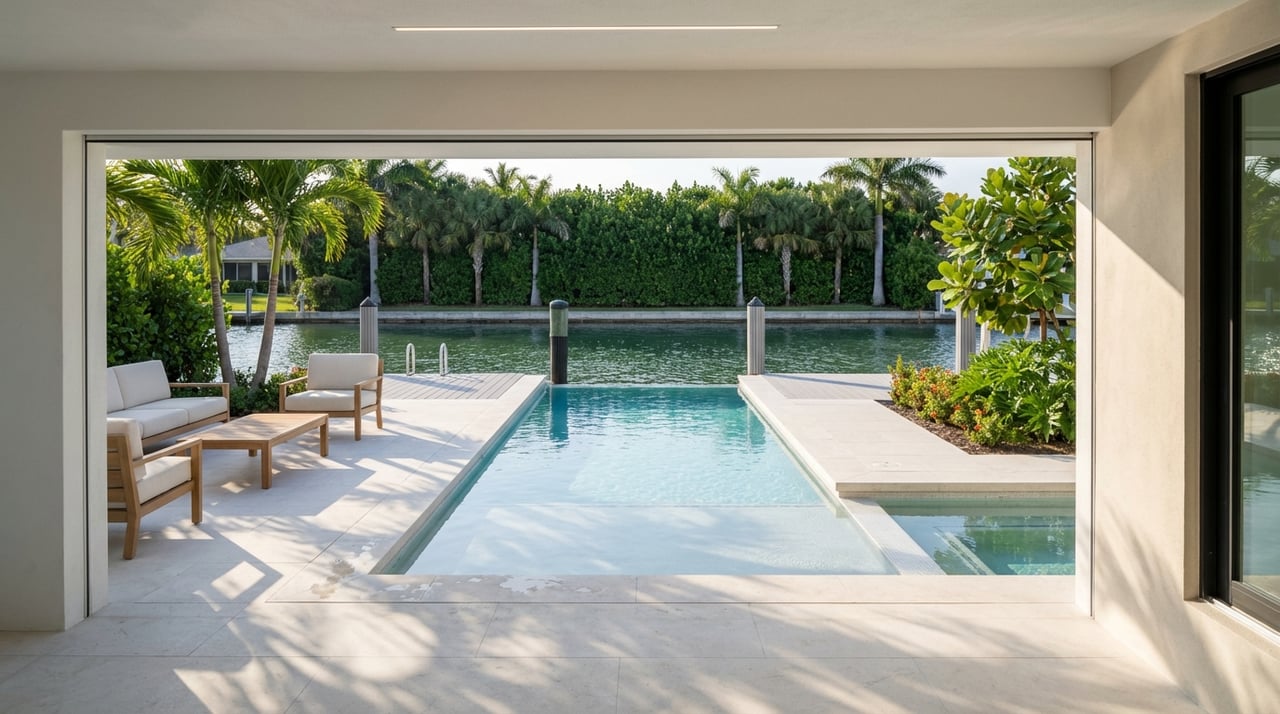
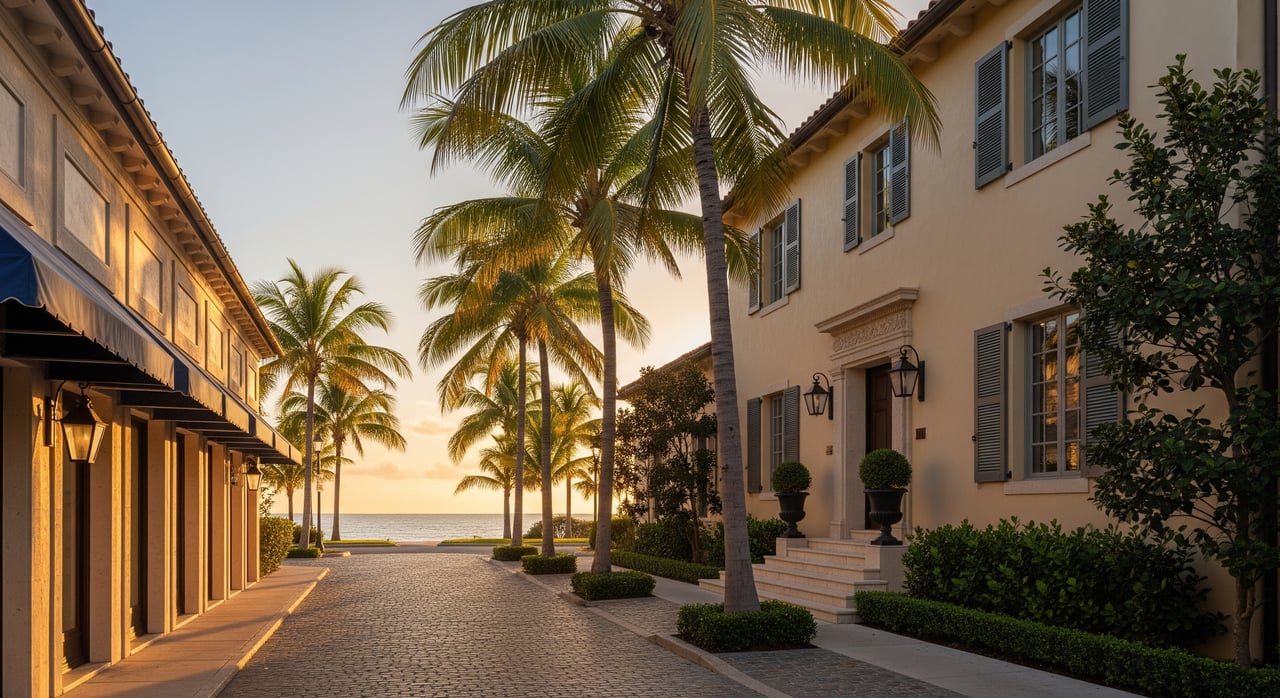
Phil McCabe already owned eleven homes in Naples when he decided to buy a twelfth. The longtime local hotelier closed in May 2026 on a 9,000-square-foot Beach House at Naples Beach Club, A Four Seasons Resort, on Gulf Shore Boulevard North, for more than $20 million. It was the first residential closing ever recorded at the property. Asked why, after eleven houses, he needed a twelfth, McCabe kept it simple: "You cannot get better than this."
That single closing is worth more to a buyer or seller shopping Old Naples this summer than almost any median you'll find on a national portal. Here is why.
Three Numbers, One Peninsula
Pull up Old Naples pricing data from three different sources this week and you will get three different stories. One national portal has the median sale price of a home in Old Naples at $1.8 million for the three months ending June 2026, up 10.6 percent from the same period a year earlier, with homes selling in an average of 74 days compared to 106 days last year. Another shows an average home value estimate of roughly $970,000, down 8.4 percent over the past year. A third puts the median list price at $1.98 million as of July 2026, down 6 percent from a year ago, and reports a median of 311 days on market.
Read those three side by side and you'd think you were looking at three different neighborhoods. You're not. You're looking at one 1.5-square-mile peninsula measured three different ways, at three different points in the transaction funnel, during the exact quarter that its comp set quietly split in two.
The Small-Sample Problem
Start with the part that has nothing to do with the Four Seasons. Old Naples single-family homes, especially in the $1 million-plus tier, trade in small numbers. One rolling 12-month tracking report on that tier, covering the period ending March 2026, showed active inventory down 34.6 percent year over year to just 70 homes, even as pending sales surged 59 percent and closed sales rose 60.5 percent over the same window. In that same report, the average sale price softened 9.7 percent to $6,494,221, and price per square foot fell 28.4 percent to $1,743.
Read quickly, that looks like a market in retreat: falling prices, falling value per square foot. Read carefully, it's the opposite. Demand accelerated on every measure that counts actual transactions, while the price figures dropped because a rolling average of roughly 70 homes is exquisitely sensitive to which specific properties happen to close in any given twelve-month window. A couple of oversized waterfront estates rolling out of the sample and a wave of smaller renovated cottages rolling in can drag an average down by double digits without a single owner losing a dollar of real value. The Naples Area Board of Realtors' own numbers back up the demand side of that story: the broader Naples Beach Area corridor, spanning zip codes 34102, 34103, and 34108, posted its strongest March single-family sales count since 2022, up 33.3 percent year over year.
So the first lesson is straightforward. In a market this thin, an "average" or a "price per square foot" figure is not a thermometer reading the temperature of the neighborhood. It's a snapshot of whichever handful of houses happened to close, and that snapshot can look feverish or ice cold depending entirely on composition.
What's Actually Closing on Gulf Shore Boulevard North
Now add the part that does have something to do with the Four Seasons, because this is where the story stops being a statistics lesson and starts being a real shift in what "Old Naples" means as a comp set.
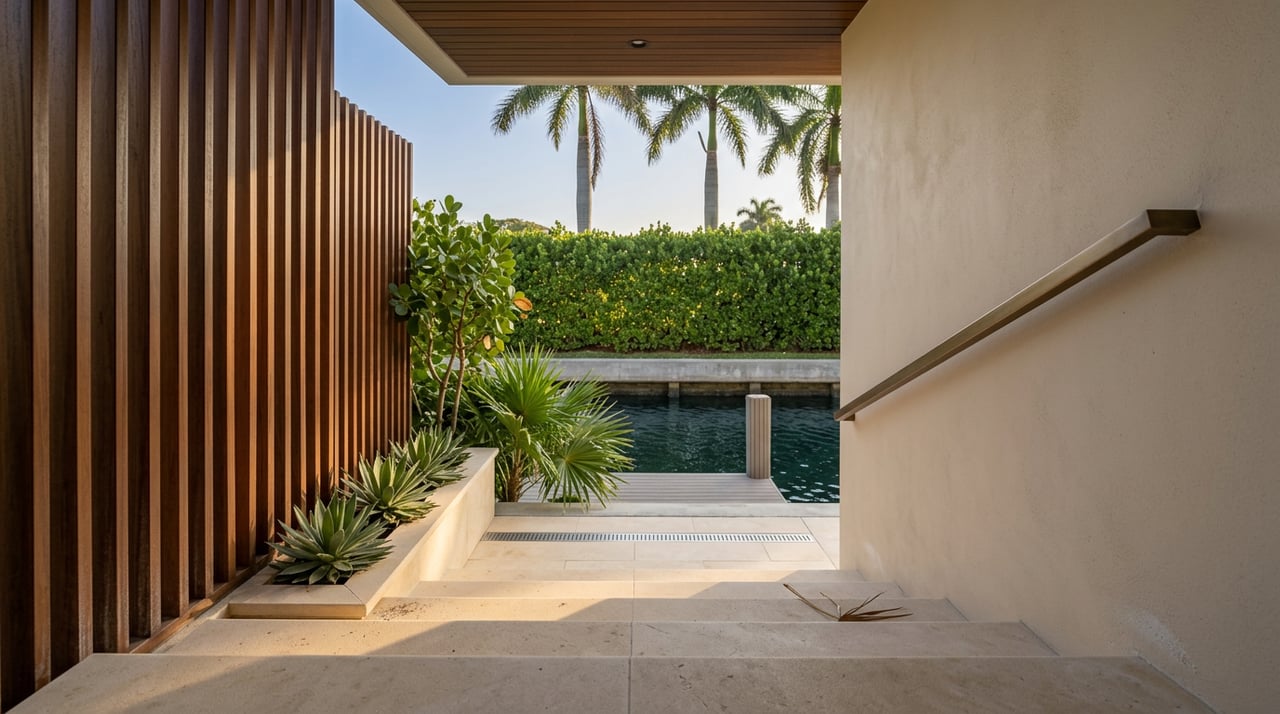
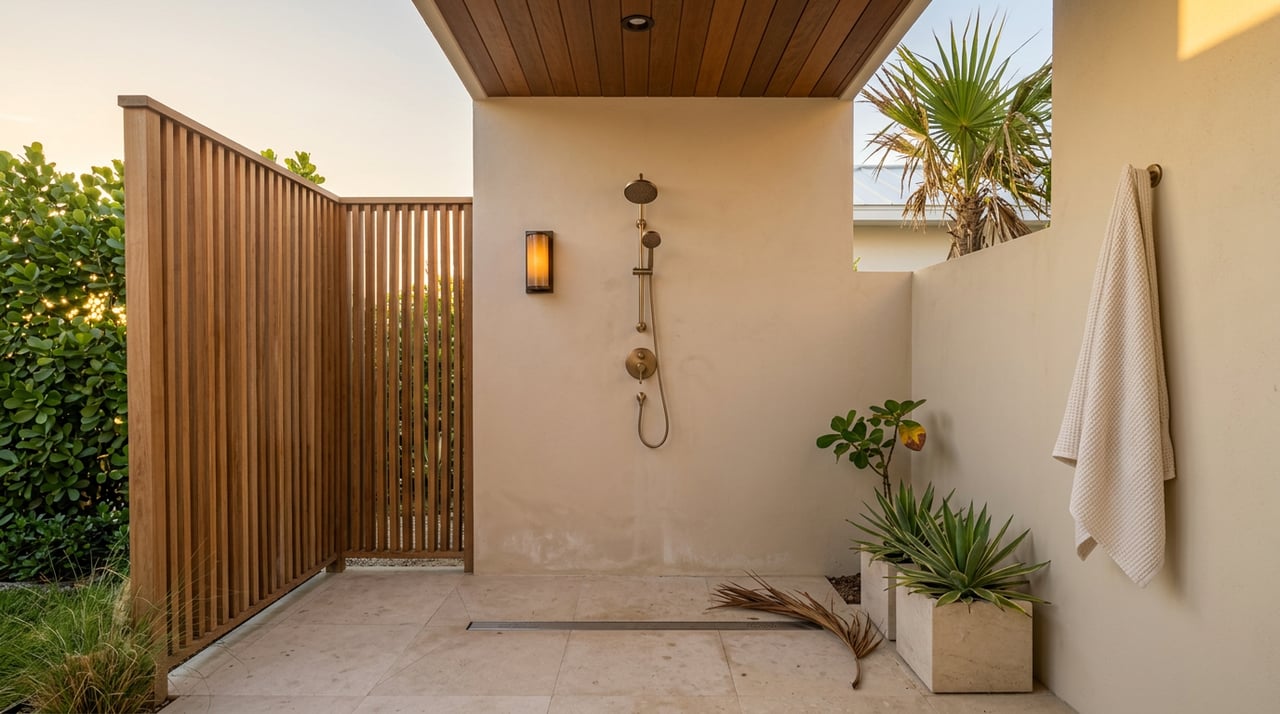
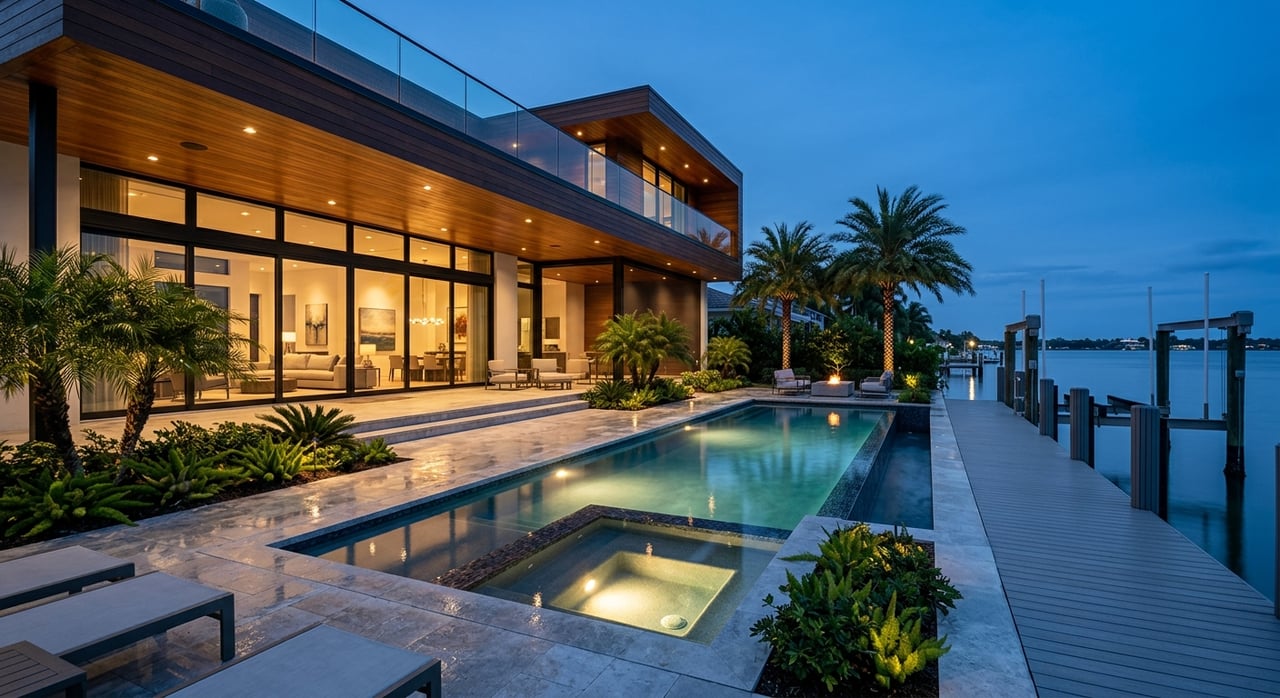
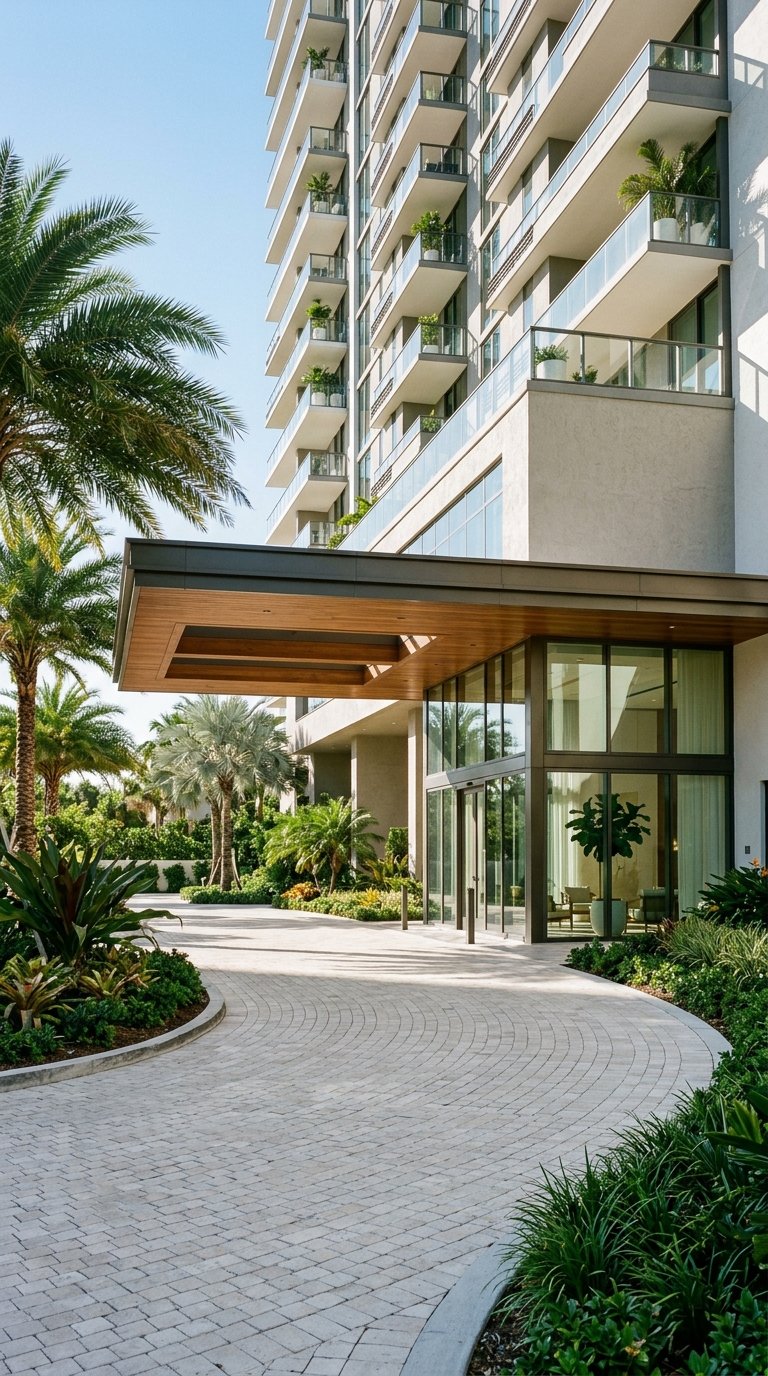
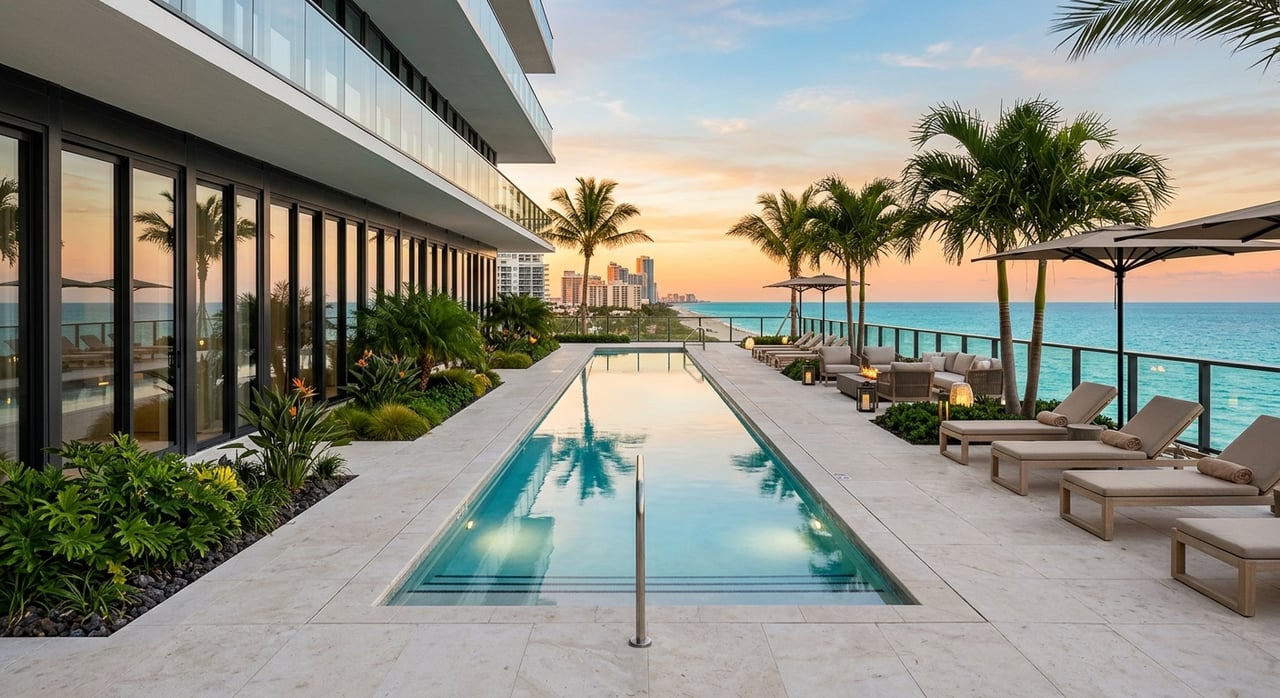
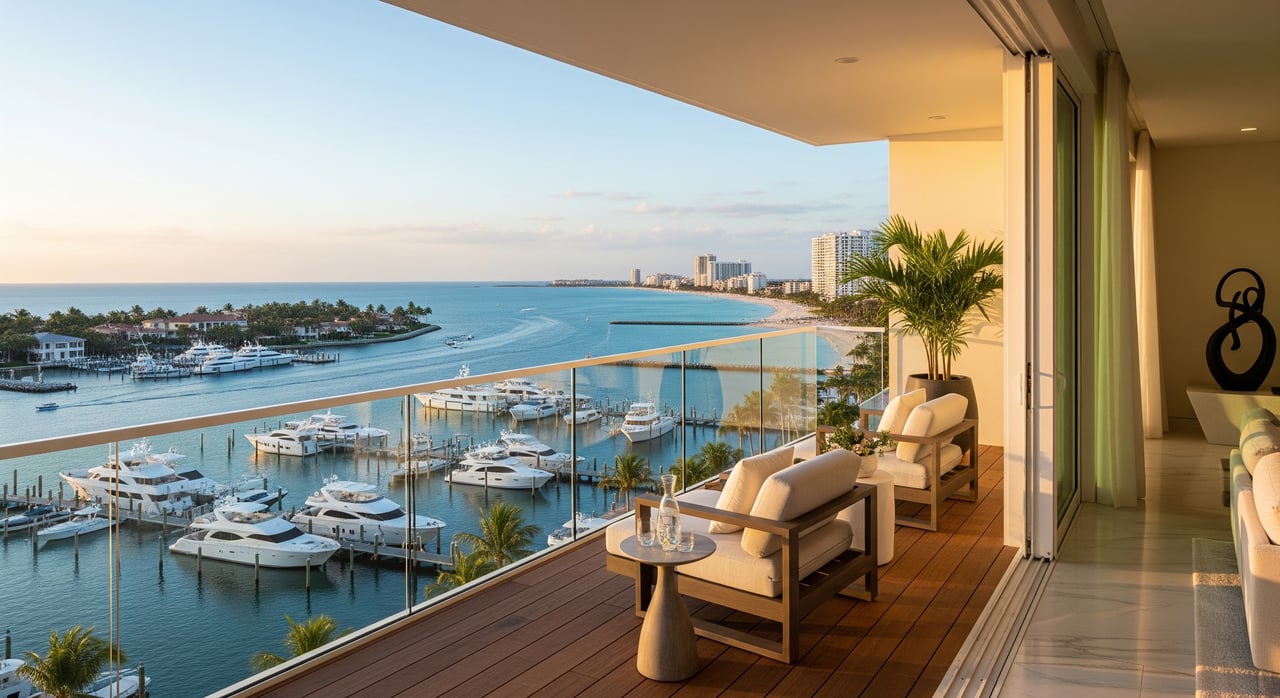
Naples Beach Club sits on 801 Gulf Shore Boulevard North, a 125-acre site with roughly 1,000 feet of Gulf beachfront, walkable to Fifth Avenue South and Third Street South. The hotel opened in November 2025 with 220 rooms and suites. Attached to it are 153 private residences: 58 beachside units across three buildings closest to the Gulf, and 95 golfside units across five buildings overlooking the resort's golf course. McCabe's closing in May 2026 was the first of the beachside group. By midsummer, beachside inventory was down to just a handful of remaining units. Golfside sat further behind, with 27 of the 95 residences pending as of a spring 2026 site visit and deliveries phasing through 2028, priced from roughly $7 million.
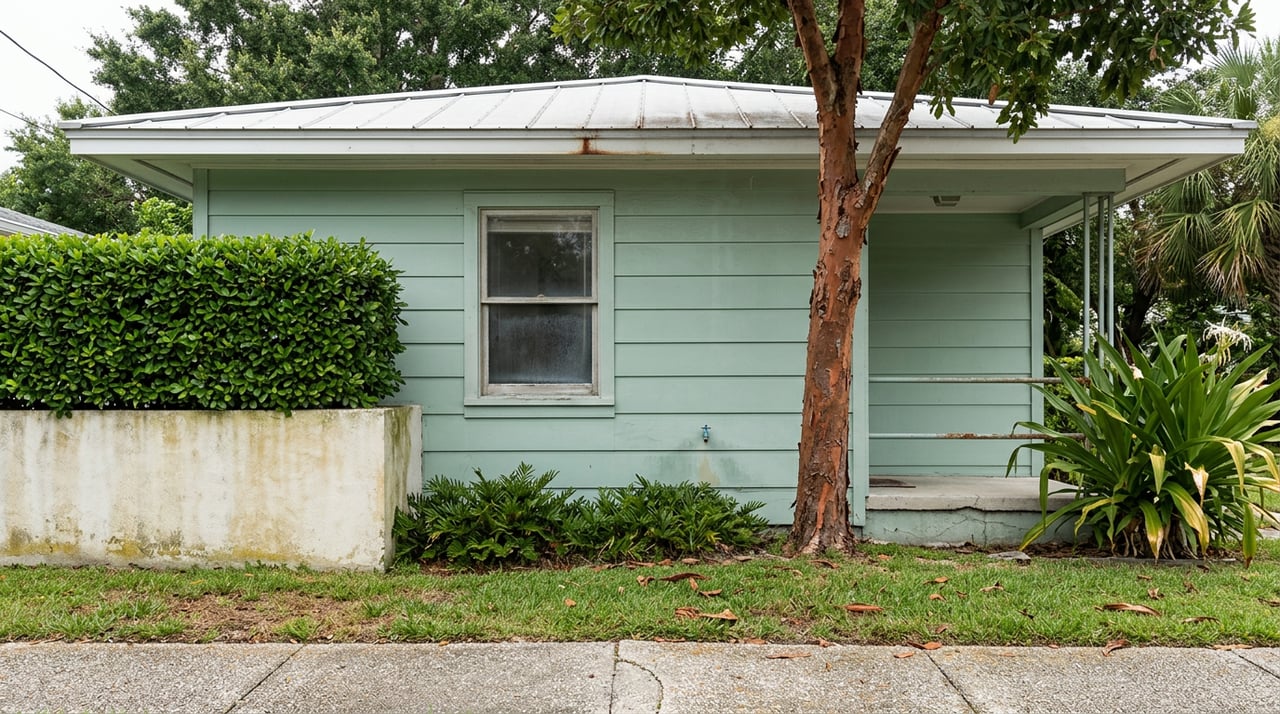
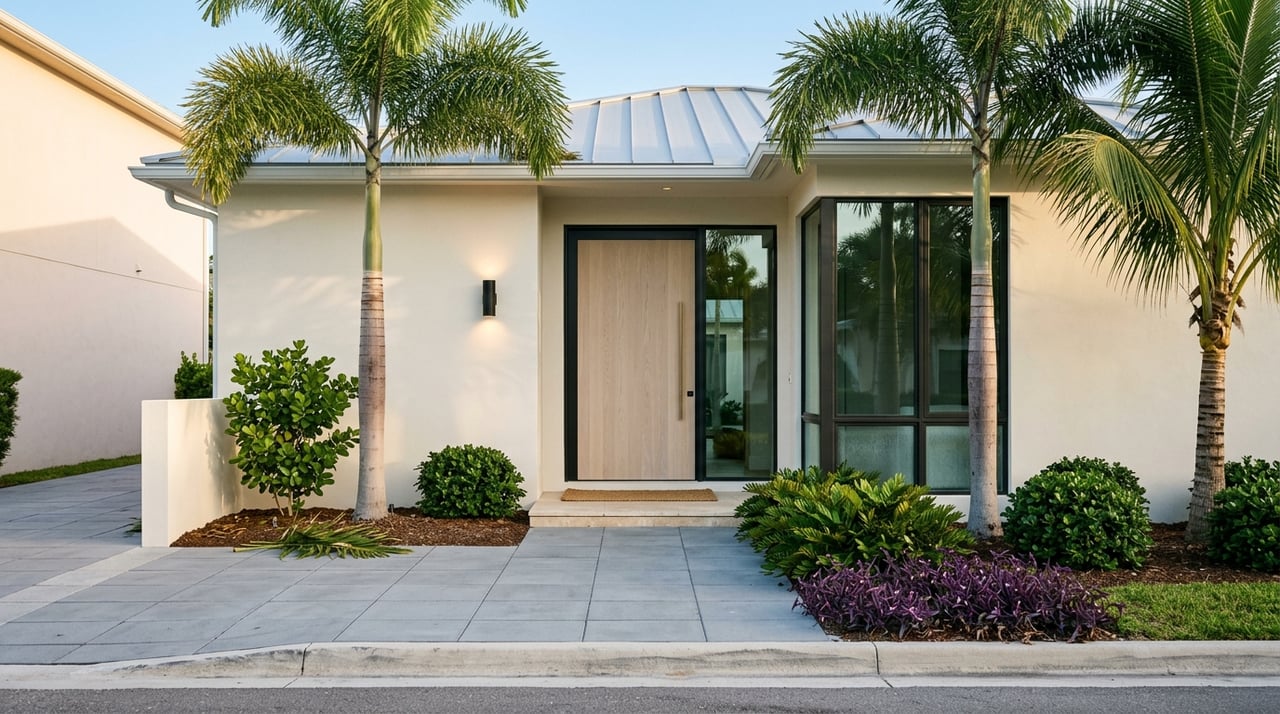
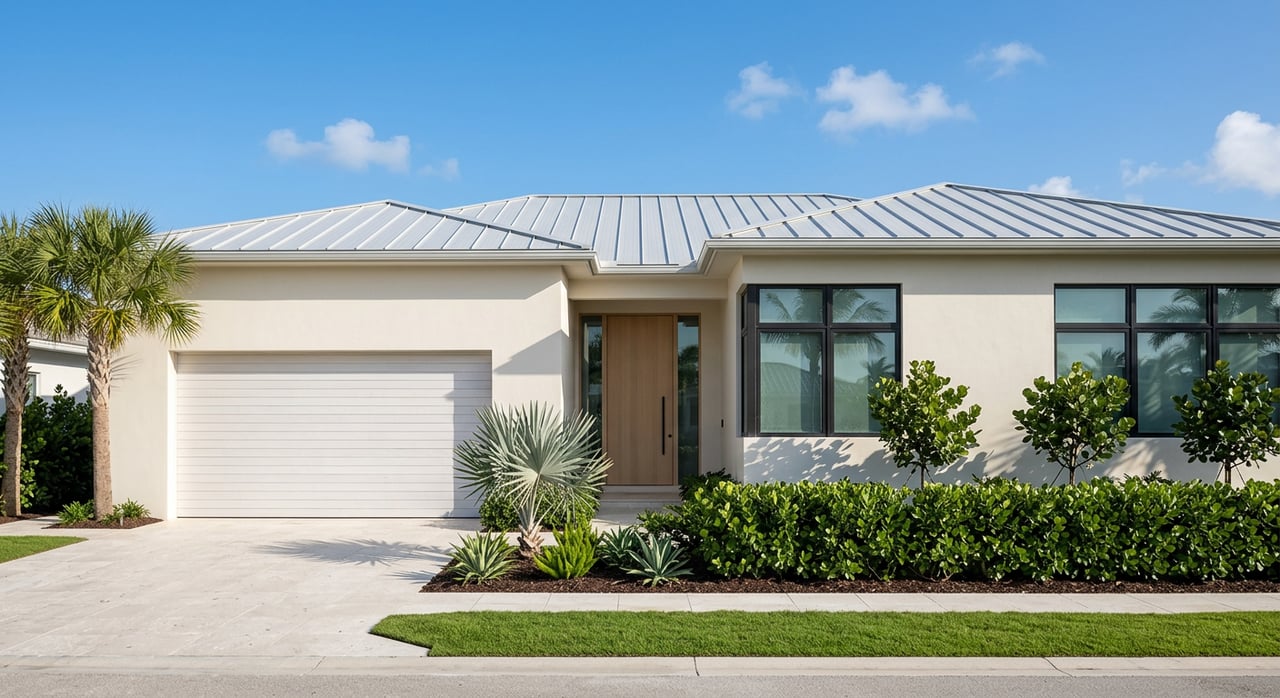
Here is the mechanism that matters for anyone comparing numbers. County records and MLS databases don't tag a sale as "legacy 1930s cottage" or "branded resort residence." They just log an address, a price, and a square footage. A $20 million closing on a 9,000-square-foot Beach House sits in the exact same dataset as a $2 million renovated bungalow three blocks inland, even though the two properties have almost nothing in common beyond a shared zip code. As more beachside and eventually golfside closings record over the next two years, they will pull the top end of Old Naples' price-per-square-foot comps upward in a way that has nothing to do with what a 1930s cottage or a canal-front estate is actually worth on its own terms.
That is the real answer to the confusing numbers. The portal showing a falling average is capturing a market where legacy inventory is scarce and getting scarcer. The portal or report showing a rising median or a rising average price per square foot is starting to capture the first wave of a brand new, much higher-priced product entering the same zip code. Neither number is wrong. Neither number, on its own, tells you what your specific house or your specific search is worth.
Legacy Cottage vs. Branded Residence, Side by Side
| Legacy Old Naples home | Four Seasons branded residence | |
|---|---|---|
| Typical price entry | Renovated cottages and estates, broad range across the $1M+ tier | Golfside from roughly $7M; beachside closings above $20M |
| Inventory trend | Down 34.6% year over year in the 12 months ending March 2026 | Beachside nearly sold out by midsummer 2026; golfside still delivering through 2028 |
| Transaction path | Standard MLS listing, negotiated sale, recorded on close | Direct developer sale, no MLS listing, recorded only at closing |
| What it tells a comp | Reflects genuine cottage-and-estate scarcity | Injects a new high end into shared price-per-square-foot data |
Where the Real Inventory Sits Right Now
For a buyer trying to act on this rather than just understand it, the practical picture breaks into two lanes.
- Golf-side Four Seasons residences, from around $7 million, remain the more realistic entry point into the branded product, since beachside is largely spoken for and deliveries there run through 2028.
- Legacy cottages and estates on the historic streets are the scarcer half of the equation. With active single-family inventory down more than a third year over year as of the last full count, buyers who want an original lot rather than new branded construction are competing for a shrinking pool.
- Separately, Naples' city council approved a dual-brand hotel project near downtown, close to the Old Naples and Coquina Sands corridor, in a decision expected to add further hospitality investment to the immediate area. It's another sign that new capital is landing on this peninsula from multiple directions at once, not just from one project.
None of this means the legacy cottage market and the branded residence market will stay separate forever. It means that right now, in late summer 2026, they are still different enough that a single median or a single price-per-square-foot figure will mislead you more often than it helps you.
What This Means If You're Comparing Numbers This Fall
If you're reading portal data on Old Naples this season, ask what population of sales generated the number in front of you. A median sale price built from actual closed transactions over the past three months tells you something real about what buyers are paying today. A median list price tells you what sellers are asking, which in a market absorbing a new $20 million comp overhead can run well ahead of what actually trades, which is part of why one source's days-on-market figure sits at 74 days for closed sales while another shows 311 days for active listings still testing the market. Those aren't contradictory. They're measuring sold homes against homes still waiting for a buyer willing to pay the new asking price.
Ask, too, whether the per-square-foot figure you're looking at includes any of the Four Seasons closings. If it does, and if you're pricing a 1930s cottage against it, you're not comparing like to like.
A Short FAQ
Why do different sources show such different prices for Old Naples? They're measuring different populations at different points in the transaction process, sold homes versus active listings, and a small sample size means the specific mix of homes that closes in any given window can swing an average by double digits without reflecting real appreciation or depreciation.
Are the Four Seasons residences considered part of the Old Naples market? They sit within the historic Old Naples footprint on Gulf Shore Boulevard North, so once their closings record, they enter the same shared dataset used to calculate neighborhood-wide price-per-square-foot figures, even though they're a distinct product from legacy cottages and estates.
Is there still inventory under $5 million in Old Naples? Legacy cottage and estate inventory exists, but active single-family listings in the broader $1 million-plus tier were down 34.6 percent year over year in the 12 months ending March 2026, so the pool is genuinely tightening.
A number without context is just a number. If you want to know what a specific Old Naples address is actually worth against this year's real comp set, not the blended average, Karen Van Arsdale can walk you through the sales that matter for your situation. Schedule a private consultation to start.